





The Last Great Frontier
For years, Northeast India—a cluster of eight states connected to the rest of the country by a narrow corridor—has remained an enigma to most international travelers. This is not the India of the Taj Mahal or the beaches of Goa. This is a region of mist-covered
hills, roaring rivers, and staggering biodiversity, home to over 200 indigenous communities. Comprising states like Assam, Meghalaya, and Nagaland, it’s a place where rhinos graze in vast grasslands, clouded leopards prowl dense jungles, and ancient traditions remain vibrantly alive. For the American traveler seeking a truly untrodden path, the Northeast offers an experience that is both raw and profoundly beautiful, moving beyond sightseeing to genuine discovery.
What is a Heritage Stay?
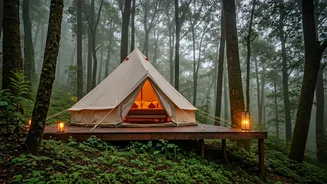
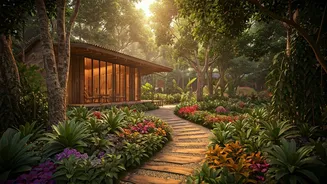
The magic of exploring this region lies in where you stay. Forget sterile hotel chains. The emerging travel scene here is built around boutique “biodiversity heritage stays.” These aren't just accommodations; they are destinations in themselves. Think restored colonial-era tea bungalows in Assam, where you can wake up to views of sprawling plantations before a jeep safari. Picture family-run homestays in Meghalaya, offering guided treks to living root bridges, or eco-lodges in Nagaland built with traditional techniques. What unites them is a commitment to a sense of place. They are small-scale, deeply integrated with the local environment and community, and offer a level of comfort, safety, and personal attention that makes exploring this remote region feel both accessible and authentic.
Spotlight: Assam's Tea Heritage
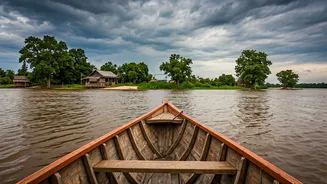
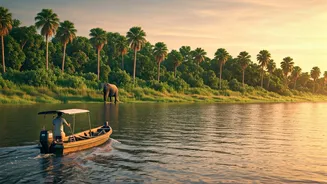
Assam is the gateway to the Northeast and home to some of its most iconic wildlife sanctuaries, like Kaziranga National Park, a UNESCO World Heritage site protecting the world's largest population of one-horned rhinoceroses. The ultimate way to experience it is by staying in a heritage tea bungalow. Properties like the Wild Mahseer or others scattered around the Brahmaputra valley are historic homes from the British Raj, exquisitely restored. Here, days are measured by the rhythm of the plantation. You can enjoy guided bird-watching walks, learn about tea cultivation from the experts, and embark on safaris into the nearby parks, returning to the comfort of a historic property with verandas perfect for sipping, of course, a cup of Assam tea.
Spotlight: Meghalaya's Living Landscapes
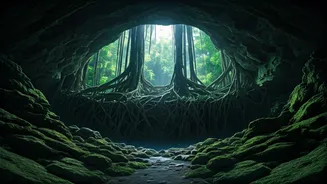
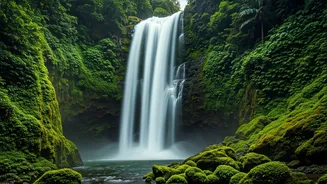
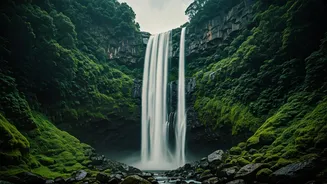
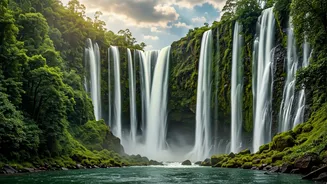
Known as the "Abode of the Clouds," Meghalaya is a land of dramatic waterfalls, deep gorges, and the famous living root bridges—a marvel of indigenous bio-engineering. The travel experience here is centered on nature and the unique Khasi culture. Boutique stays like the Ri Kynjai or smaller, community-focused eco-lodges offer a base for immersive exploration. These properties prioritize sustainability and cultural exchange. From here, you can take guided hikes through sacred groves, meet local artisans, and witness the awe-inspiring power of the monsoon (if traveling during that season). It's a quieter, more contemplative experience focused on the profound connection between the people and their environment.
Planning for a Safe & Smooth Trip
Traveling in Northeast India has become significantly easier and safer, with most permit requirements for foreign nationals lifted. However, its remoteness requires thoughtful planning. First, work with a reputable travel operator specializing in the region who can handle logistics and bookings. These stays are small and fill up fast. Second, pack for varied conditions: layers for cool hills, rain gear for unexpected showers, and sturdy walking shoes. Finally, embrace the pace. Connectivity can be sparse and roads can be winding. This isn’t a trip for rushing. It’s about slowing down, respecting local customs, and allowing the region's quiet, powerful beauty to reveal itself. By choosing a heritage stay, you're not only ensuring your comfort and safety but also contributing directly to the preservation of the area's natural and cultural legacy.