





The Garden Where Your Hair Grows
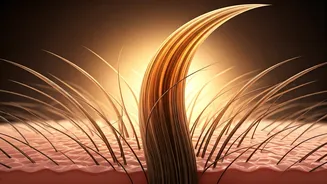
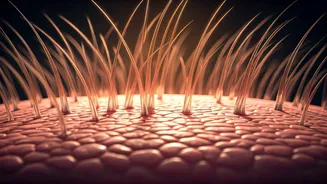
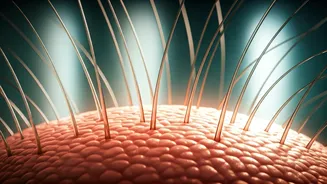
Think of your scalp as the soil in a garden, and your hair as the plants. You can spray the leaves with fertilizer all day, but if the soil is unhealthy, the plants will never truly thrive. Your scalp is a complex ecosystem of blood vessels, oil glands,
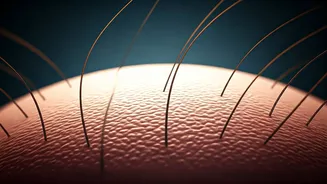
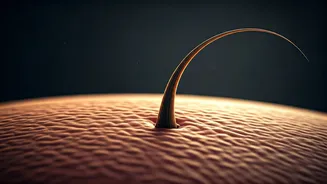
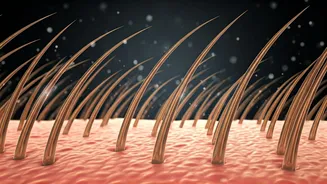
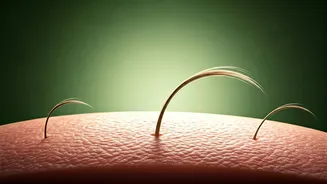
and hair follicles. Each follicle is a tiny organ responsible for producing a single hair strand. For it to function properly, it needs a balanced environment. This includes regulated oil (sebum) production to moisturize the skin, a healthy balance of microbes (your scalp microbiome), and good circulation to deliver oxygen and nutrients. When this delicate ecosystem is thrown out of whack, the first thing to suffer is the quality of the hair it produces.
How Buildup Sabotages Growth
One of the most common scalp problems is buildup. It’s a mix of dead skin cells, natural oils, and, most significantly, residue from hair products. Many conditioners, stylers, and even shampoos contain silicones, waxes, and heavy oils that don't easily rinse away. Over time, this gunk accumulates around the mouth of the hair follicle. Imagine trying to grow a plant in soil covered by a plastic sheet. The buildup can physically block new hair growth, leading to thinner strands or even preventing new hairs from emerging. It can also trap bacteria and yeast, leading to inflammation, itchiness, and flakes. This environment of chronic, low-grade inflammation is known to weaken the follicle and can contribute to premature hair shedding and slower growth.
Inflammation: The Silent Follicle Killer
Inflammation is the body's response to injury or irritation, and your scalp is no exception. Beyond product buildup, inflammation can be triggered by a host of factors: stress (which elevates the hormone cortisol), poor diet, allergic reactions to ingredients, or conditions like psoriasis and seborrheic dermatitis. When the scalp is inflamed, the body directs its resources to fighting the irritation rather than to non-essential functions like growing robust hair. Chronic inflammation can constrict blood vessels, starving follicles of the vital nutrients they need to complete the hair growth cycle. This can shorten the 'anagen' (growth) phase of your hair, pushing it into the 'telogen' (shedding) phase much sooner. The result is hair that sheds more than usual and appears thinner over time because new strands aren’t growing in as quickly or as thick.
Listening to Your Scalp's SOS
Your scalp sends clear signals when it’s in distress; we’ve just learned to ignore them or treat the symptoms on the hair itself. Is your scalp constantly itchy? That's a sign of inflammation or dryness. Do you have flakes? It could be simple dryness, but it’s often a sign of an overgrowth of Malassezia, a yeast that contributes to dandruff. Is your hair greasy just a day after washing? Your scalp might be overproducing oil to compensate for being stripped by harsh sulfates. Even tension from tight hairstyles can cause inflammation (traction alopecia) and damage follicles. Paying attention to these clues is the first step. Look at your scalp in the mirror. Is it red and irritated, or calm and clear? Recognizing these signs allows you to address the root cause, rather than just masking the problem with a texturizing spray or shine serum.