




The Magic of the Monsoon
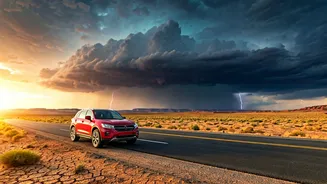
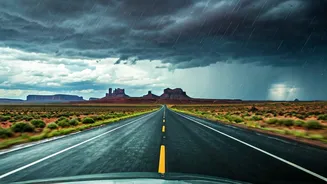
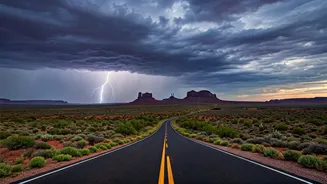
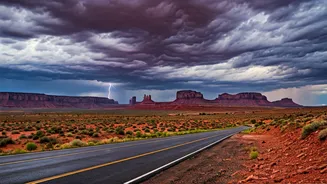
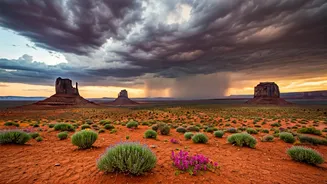
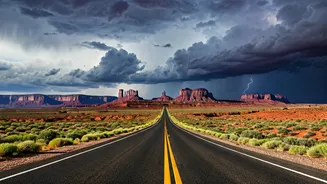
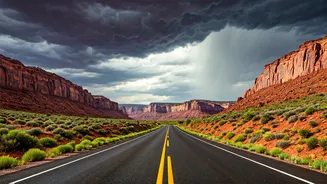
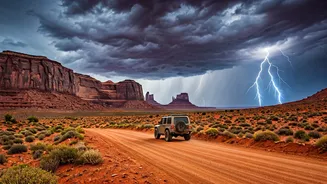
First, let’s get one thing straight: the North American Monsoon isn't a months-long downpour. Instead, it’s a seasonal shift in wind patterns that pulls moisture from the Pacific Ocean and Gulf of Mexico into the desert Southwest. This results in a pattern of dramatic,
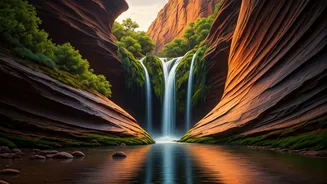
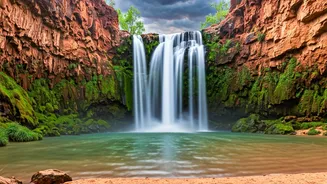
localized afternoon thunderstorms that can dump inches of rain in just an hour. While these storms bring the risk of flash floods, they also deliver a breathtaking reward: they feed creeks, fill canyons, and give birth to thousands of temporary waterfalls. For those willing to watch the weather and travel safely, this season offers a chance to see iconic landscapes like Arizona and New Mexico in a way few ever do—lush, alive, and flowing with water.
Grand Falls, Arizona: The 'Chocolate Waterfall'
Located on the Navajo Nation lands in Northern Arizona, Grand Falls is perhaps the most famous of the monsoon-powered wonders. For most of the year, it’s a dry, terraced cliff. But after a significant upstream rainfall, the Little Colorado River swells into a muddy torrent, creating a waterfall wider than Niagara Falls and just as powerful. Its famously silt-heavy, brown water is what earns it the nickname “Chocolate Falls.” Because it’s fed by a large drainage basin, the falls can run for several days after a storm. Timing is everything. Check the river flow gauges online before making the drive down the unpaved road. There is no hiking to the base; this is a viewpoint spectacle, and an unforgettable one at that.
Seven Falls, Arizona: A Desert Oasis Hike
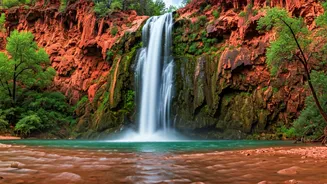
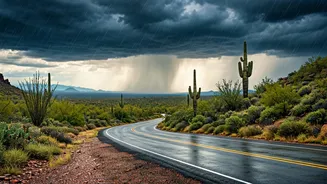
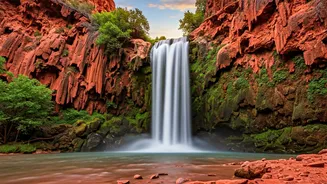
Nestled in the Sabino Canyon Recreation Area near Tucson, the hike to Seven Falls is a local favorite that becomes truly spectacular during the monsoon. The nearly 8-mile round-trip trail involves multiple water crossings over Bear Creek, which can range from a trickle to a knee-deep flow depending on recent rain. Your reward is a series of cascading pools tumbling down a sheer rock face into a large, idyllic swimming hole. The juxtaposition of saguaro cacti on the hillsides and a roaring waterfall in the canyon below is pure desert magic. Due to flash flood risks, it's critical to check the forecast and canyon conditions before you go. Start early in the morning to avoid the afternoon storms and summer heat.
The Grand Canyon's Ephemeral Cascades
Visiting the Grand Canyon during a monsoon storm is a powerful, humbling experience. While most visitors pray for clear skies, those in the know hope for a dramatic thunderhead to roll in. As rain sheets down, the canyon’s complex network of side canyons and drainages comes alive. Hundreds—sometimes thousands—of temporary waterfalls appear, pouring over cliffs and staining the red rock with dark streaks of water. These cascades are fleeting, often lasting only a few hours during and after a storm. The best and safest way to view them is from the established viewpoints along the South Rim, like Mather Point or Yavapai Point. You get the epic scale of the canyon combined with the rare, dynamic beauty of flowing water.
Jemez Mountains, New Mexico: Chasing Roadside Falls
The Jemez Mountain Trail National Scenic Byway in New Mexico offers a different kind of monsoon adventure. This scenic drive winds through the Santa Fe National Forest, an area dotted with natural hot springs and several permanent waterfalls that swell to impressive volumes during the summer rains. One of the easiest to access is Jemez Falls, a short hike from a designated picnic area. Nearby, Battleship Rock and the Soda Dam also become more visually dramatic. The joy here is the journey itself—driving through misty, rain-washed pine forests and pulling over to see creeks and falls that have been supercharged by an afternoon storm. It’s a cooler, greener alternative to the classic desert monsoon chase.