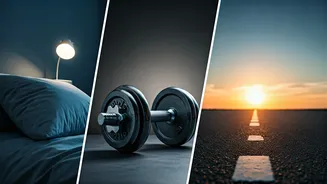






Strength Training for Longevity, Not Just Looks
For decades, strength training was often stereotyped as the domain of bodybuilders chasing aesthetic goals. That perception is rapidly becoming outdated. The new emphasis on strength is rooted in a much more profound and universal goal: longevity. Experts
and everyday people are recognizing that building and maintaining muscle mass is one of the single most effective strategies for a healthier, longer life. Muscle is our metabolic engine, helping regulate blood sugar, support bone density, and maintain functional independence as we age. This isn't about hitting a new one-rep max every week. Instead, the trend leans toward accessible, sustainable strength work. Think kettlebells, resistance bands, and bodyweight exercises that build practical strength for daily life—carrying groceries, playing with kids, and avoiding injury. This shift is particularly pronounced among women and older adults, who are increasingly embracing weightlifting for its powerful benefits on hormonal health, metabolism, and preventing age-related muscle loss (sarcopenia). The gym of 2026 will see fewer people focused on isolation curls and more people performing compound movements like squats and deadlifts that translate directly to a more capable and resilient body.
Sleep as the Ultimate Performance Enhancer
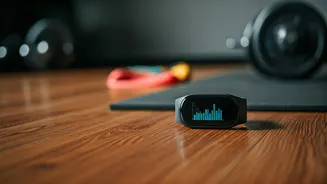
The hustle culture of the 2010s, which glorified sleepless nights as a badge of honor, is facing a powerful backlash. Its replacement is the growing understanding that sleep isn't a passive activity; it's the most critical recovery tool we have. By 2026, tracking your sleep quality will be as common as tracking your steps. The rise of wearables like the Oura Ring and WHOOP strap has turned sleep into a quantifiable metric, allowing us to see the direct impact of our daily choices—a late-night meal, an evening workout, a stressful day—on our restorative rest. This data-driven approach is reframing sleep as the foundation of fitness. It’s during deep sleep that our bodies repair muscle tissue, consolidate memories, and regulate the hormones that control appetite, stress, and growth. Poor sleep sabotages even the most dedicated workout plan. The fitness industry is responding by integrating sleep coaching into its offerings, with trainers advising clients not just on exercise and nutrition, but on “sleep hygiene.” The conversation is moving beyond simply getting eight hours to optimizing the *quality* of those hours, making sleep an active, non-negotiable component of any serious wellness routine.
The Great Outdoors Becomes the New Gym
If the pandemic taught us anything, it was the profound value of fresh air and open space. This has sparked a durable movement away from sterile, indoor gyms and toward the natural world. Outdoor fitness is no longer just a weekend hobby; it's a core part of the weekly routine. This trend encompasses everything from the simple act of taking a walk or run in a local park to more structured activities like trail running, hiking, and outdoor yoga classes. A new, buzzy trend called “rucking”—walking with a weighted backpack—is exploding in popularity for its ability to combine cardio, strength training, and time in nature. What’s driving this shift is a desire for more than just physical results. Exercising outdoors is proven to have significant mental health benefits, reducing stress and improving mood in a way that an enclosed gym often can’t. It offers sensory variety and a connection to something larger than ourselves. It feels less like a chore and more like an adventure. As we look toward 2026, expect to see more fitness brands catering to this movement with durable gear, park-based boot camps, and community-driven outdoor clubs that merge physical activity with social connection and a dose of Vitamin D.