


The Off-Season Savings Equation
Airlines and hotels operate on a simple principle: a seat flown or a room occupied is better than one left empty. During a destination's traditional off-season—like the monsoon or rainy season in much of South and Southeast Asia—demand plummets. To counteract
this, carriers and resorts slash their prices, sometimes by as much as 30-50% compared to the December-to-February high season. This creates a powerful financial incentive for travelers who are flexible with their dates and expectations. What was once a budget-breaker trip to Thailand or India suddenly becomes accessible, all because you’re willing to embrace a little rain. This trend turns the weather from a deterrent into a discount code, motivating a new wave of travelers to see popular places without the peak-season price tag.
Trading Crowds for Atmosphere
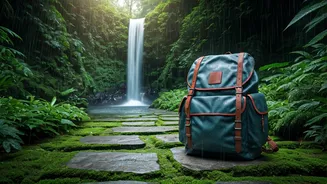
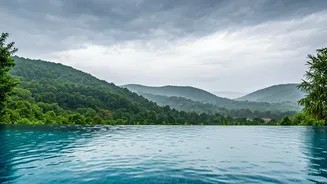
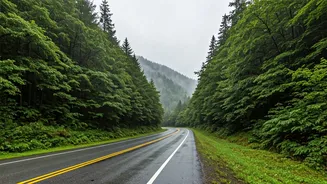
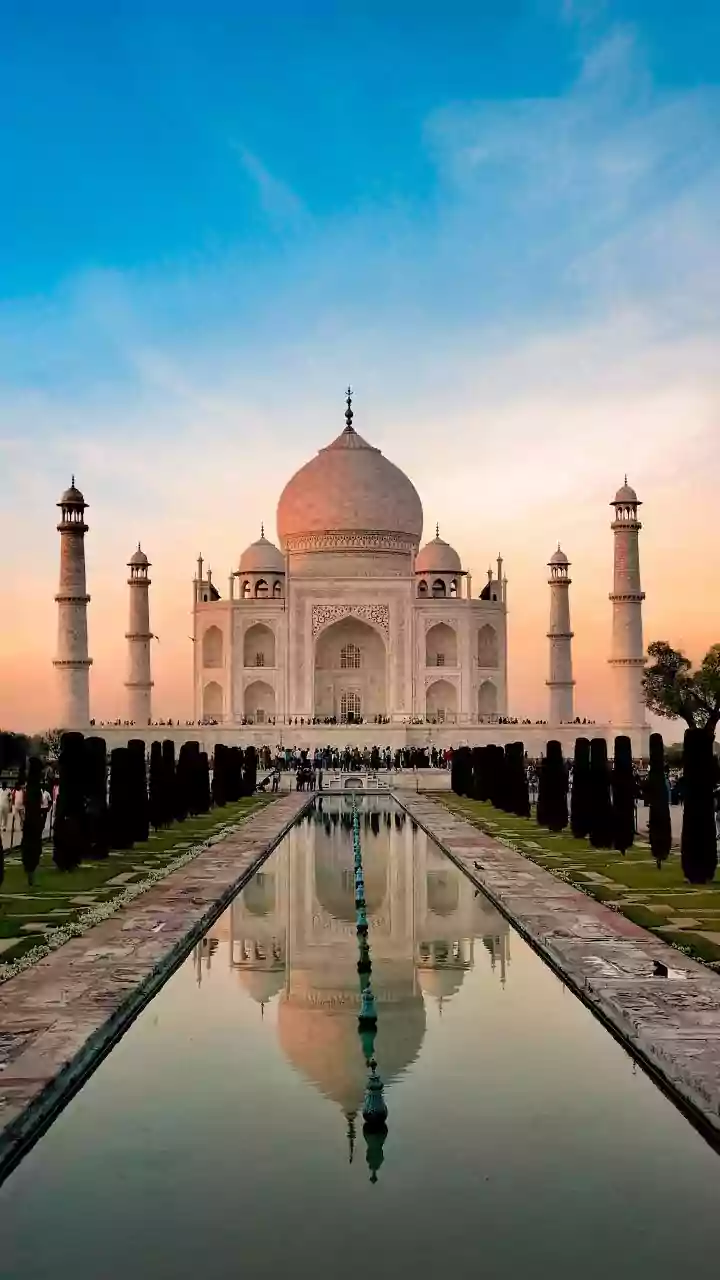
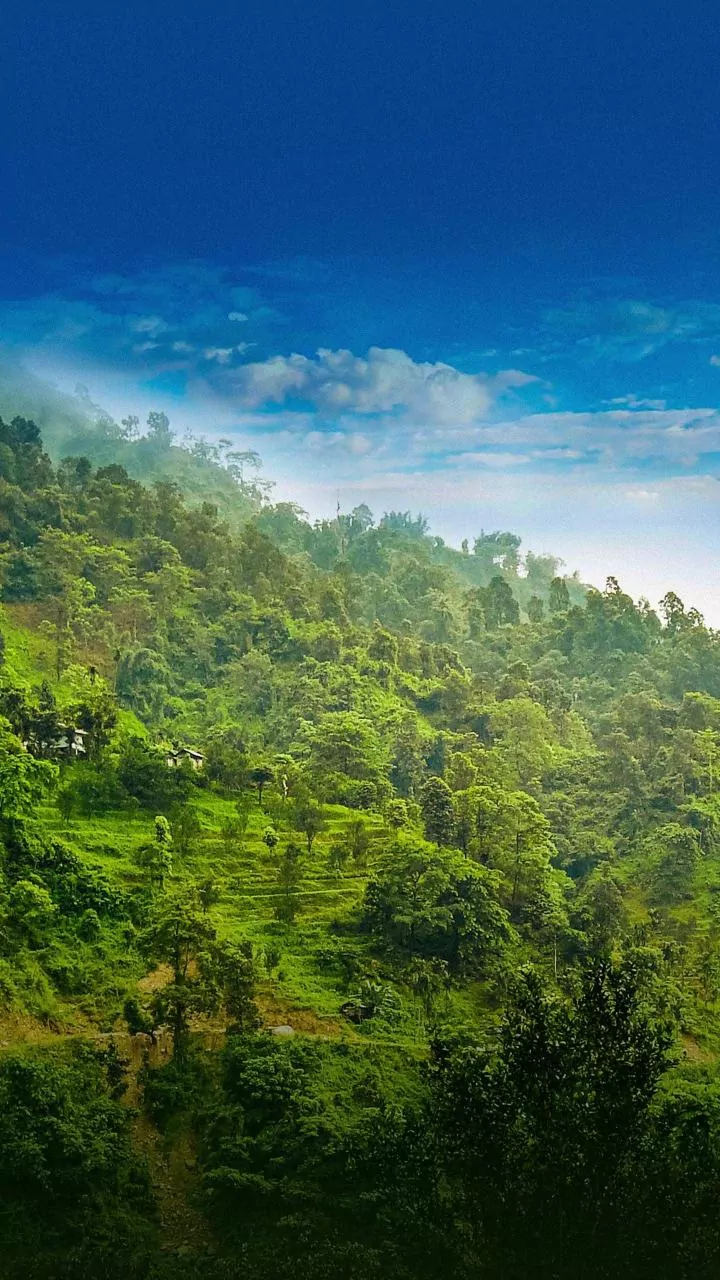
The benefits of off-season travel go far beyond your wallet. The single biggest complaint about world-famous sites, from the temples of Angkor Wat to the beaches of Goa, is overcrowding. During the monsoon season, those crowds virtually disappear. You can experience iconic landmarks with a sense of peace and solitude that is impossible during busier months. There’s a unique magic to watching a storm roll in over a rice paddy in Vietnam or hearing the rain patter on the roof of a temple in Bali. The landscape transforms, becoming intensely green and vibrant. The air is cleansed of dust, and the dramatic, cloudy skies offer a moody, atmospheric backdrop for photography that is often more compelling than a generic blue sky. It’s a trade-off: you swap guaranteed sunshine for a more intimate and authentic encounter with a place.
Top Destinations for a Rainy Day
While the idea works across many regions, a few destinations are particularly well-suited for monsoon travel. Thailand’s islands, like Phuket and Koh Samui, see fewer tourists but remain operational, offering lush jungle treks and cozy beachfront cafes to wait out a storm. India's Kerala region, famous for its backwaters, comes alive during the monsoon, with Ayurvedic wellness retreats considering it the best time for treatments. In Vietnam and Cambodia, the rain often comes in predictable, intense bursts in the afternoon, leaving the mornings free for exploring temples and markets. The key is to research the specific weather patterns. Some regions experience all-day drizzles, while others have short, powerful downpours followed by sunshine. This knowledge helps you plan your days and manage expectations.
How to Pack for the Pour
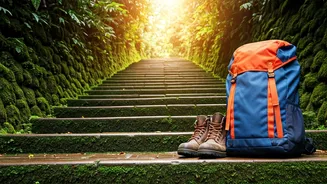
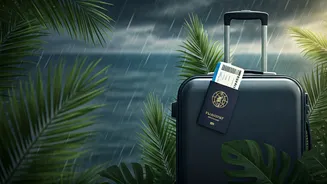
Success in monsoon travel is all about preparation. Your packing list will look different from a typical sun-and-sand vacation. Prioritize quick-drying synthetic fabrics over cotton, which stays damp for ages. A lightweight, breathable rain jacket is non-negotiable. For footwear, forget flip-flops, which offer no grip on slippery surfaces. Instead, opt for waterproof sandals with good traction or a pair of sturdy, water-resistant shoes. A waterproof dry bag is a lifesaver for protecting your passport, phone, and camera during sudden downpours. Finally, don’t forget insect repellent; mosquitos are more prevalent in the damp conditions. Packing smart ensures that the rain is a minor inconvenience rather than a trip-ruining disaster.
Is Monsoon Travel Right for You?
Before you book that cheap flight, it’s crucial to be honest with yourself. If your vacation dream is built entirely around lying on a beach for seven straight days, this is not the trip for you. If outdoor activities like multi-day treks or rock climbing are your priority, the weather could force last-minute cancellations. However, if you are a flexible, go-with-the-flow traveler who finds joy in cultural immersion, photography, and unique atmospheric conditions, monsoon travel could be an incredible experience. It’s ideal for foodies who want to spend hours in local cafes, travelers interested in wellness and spa treatments, or budget-conscious explorers who’d rather have a world-class temple to themselves than a perfect tan. The reward is a deeper, more personal journey, but the price is a willingness to relinquish control to the whims of nature.