






The Undisputed King: Alphonso
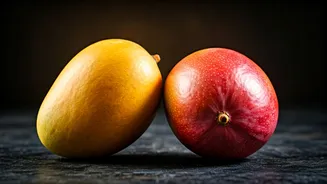
To understand the mango fame game, you first have to meet the reigning monarch: the Alphonso. Hailing primarily from the western states of Maharashtra and Gujarat, the Alphonso, or 'Hapus' as it's lovingly called, is the gold standard. It’s the mango against
which all others are judged. With its saffron-hued, non-fibrous flesh, intoxicating aroma, and a perfect balance of sweetness and acidity, the Alphonso commands devotion—and a premium price. For decades, its arrival has marked the official start of summer, a seasonal event celebrated with near-religious fervor. It’s the mango of legends, the one that gets exported in pristine boxes and gifted to show love, respect, or to seal a business deal. Trying to unseat the Alphonso is like trying to convince a New Yorker that another city has better pizza—a bold, almost impossible task.
The Challenger from the East: Meet Zardalu
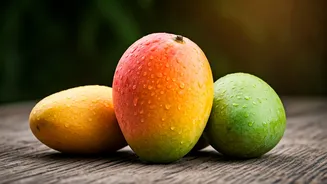
Enter the Zardalu. This lesser-known variety comes from the Bhagalpur district of Bihar, a state in eastern India. Its name, derived from Persian, means 'yellow plum,' a nod to its unique pale-yellow skin and smaller size. Unlike the bold, in-your-face sweetness of many mangoes, the Zardalu is known for its delicate, honeyed flavor and a distinctly pleasant fragrance. The skin is thin, the flesh is buttery-smooth, and it’s an experience that’s more perfume than punch. For years, the Zardalu was a local secret, cherished within Bihar but virtually unknown on the national stage. It was a delicious, humble fruit overshadowed by giants like the Alphonso, the northern Dasheri, or the Gujarati Kesar. But that’s starting to change, thanks to a powerful certification.
A Stamp of Authenticity
The Zardalu’s ticket to the big leagues came in 2018, when it was awarded a Geographical Indication (GI) tag. Think of it like the protected status given to Champagne from France or Parmesan cheese from Italy. A GI tag certifies that a product has a specific geographical origin and possesses qualities or a reputation that are due to that origin. For the Bhagalpuri Zardalu, this was a game-changer. It legally protected the name, preventing any mango grown outside the region from being sold as a Zardalu. More importantly, it served as a guarantee of quality and authenticity, instantly elevating its profile. Suddenly, the Zardalu wasn’t just another regional mango; it was a certified, high-quality agricultural treasure.
Why the Fame Game Matters
This isn't just about fruit; it's about regional pride, economics, and agricultural identity. In a country as vast and diverse as India, having your local produce gain national or international acclaim is a huge deal. The GI tag has spurred a concerted effort to promote and export the Zardalu. Farmers in Bhagalpur are now part of a more organized system, ensuring better quality control and access to wider markets. The Bihar government has actively promoted the fruit, even sending it as a formal gift to dignitaries, a move straight out of the Alphonso playbook. This newfound fame brings economic benefits to a region that has historically been less prosperous than the commercial hubs of the west. The Zardalu's rise is a story of an underdog finding its moment, powered by its unique taste and a savvy understanding of modern branding.