



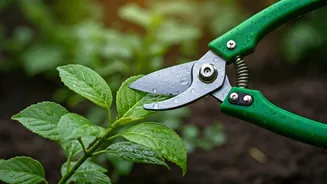
Why Unpruned Plants Create Chaos
Imagine a ship with its sails fully unfurled in a hurricane. That’s your unpruned tree in a monsoon storm. Overly dense canopies on trees like mesquites and palo verdes catch the high-velocity winds, creating tremendous strain on branches and trunks.
Instead of letting the wind pass through, the tree fights it, leading to catastrophic failures. Heavy, overgrown limbs are the first to snap, posing a risk to your home, vehicles, and power lines. This isn't just an aesthetic issue; it's a safety and financial one. Furthermore, the torrential downpours that characterize a monsoon can collect on dense foliage, adding immense weight to already stressed branches. The result is a post-storm landscape of broken limbs, shredded leaves, and sometimes, a completely uprooted plant that couldn't handle the combined force of wind and water.
The Goal: Thinning, Not Topping
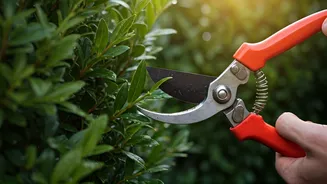
The key to pre-monsoon pruning isn’t to give your plants a drastic haircut. In fact, severe shearing or “topping” is one of the worst things you can do. It encourages weak, frantic growth and leaves large wounds susceptible to sun scald and disease. Instead, the goal is strategic thinning. You want to open up the plant’s canopy, allowing wind to flow through it rather than pushing against it. This selective removal of branches reduces the “sail effect” and dramatically lowers the risk of breakage. A properly thinned tree maintains its natural shape and beauty while being structurally prepared for the onslaught of a summer storm. Think of it as making your plants more aerodynamic and resilient.
Your Pre-Monsoon Pruning Checklist
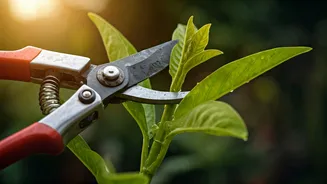
Before the humidity starts to rise, walk your yard and identify your targets. Focus your attention on removing the “Three D’s”: dead, damaged, and diseased wood. These branches are already weak and are guaranteed to be the first casualties in a storm, becoming dangerous projectiles. Next, look for branches that are crossing or rubbing against each other, as these create weak points. Finally, identify areas of excessive density, particularly in the upper canopy of your larger trees. Selectively remove entire branches back to their point of origin on a larger limb or the trunk. This method, known as a thinning cut, promotes better structure than simply shortening a branch. Pay special attention to fast-growing desert trees and large, sprawling shrubs that have become overgrown during the spring.
What to Leave Alone
Just as important as knowing what to cut is knowing what to spare. Avoid any major, structural pruning on healthy, well-placed limbs. The weeks before the monsoon are not the time to try and reshape an entire tree. Intense pruning can stimulate a flush of new, tender growth that is especially vulnerable to being ripped off by high winds. Also, be mindful of citrus trees. While removing dead wood is fine, excessive pruning can expose the trunk and primary limbs to the harsh summer sun, causing sunburn that can permanently damage the tree. For many flowering shrubs, pruning at the wrong time can also mean sacrificing the season’s blooms. If you’re unsure, it’s always better to be conservative. You can remove a broken branch after a storm, but you can’t reattach one you mistakenly cut.
Final Preparations Beyond Pruning
While pruning is the most critical task, a few other preparations can help your garden weather the season. Check any stakes or ties on newly planted trees to ensure they are secure but not girdling the trunk. The goal is to provide support, not choke the plant. Clear your yard of any loose items that could become projectiles in high winds—empty pots, garden tools, and outdoor furniture. Finally, inspect your drainage. Ensure that gutters, downspouts, and landscape drainage channels are clear of debris so that the immense volume of water has a clear path away from your home’s foundation and your plants’ root systems.