
Not Your Average Grain
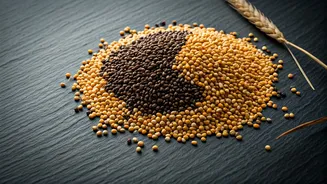
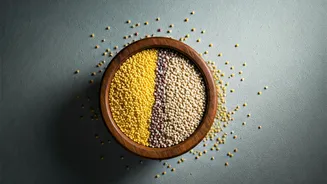
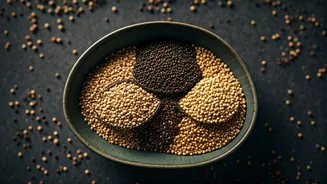
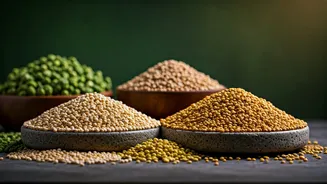
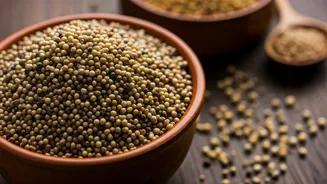
First, let's clear something up. In the U.S., the most common association with millet is birdseed. While your feathered friends have good taste, thinking of it as just bird food is like calling grapes just 'raisin ingredients.' Millet isn't a single grain
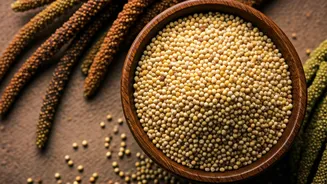
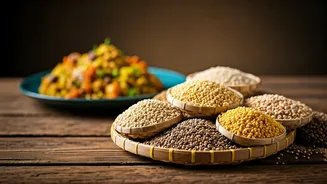
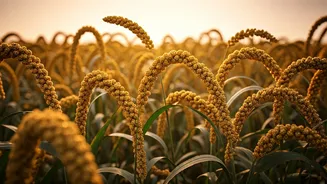
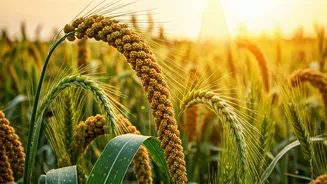
but a diverse family of small-seeded grasses that have been a cornerstone of diets in Africa and Asia for over 7,000 years. From the pearl millet of India to the fonio of West Africa, these grains were staples long before wheat and rice dominated the global food supply. They represent a deep agricultural history—a true 'rustic root' that sustained civilizations through their hardiness and reliability. Unlike water-intensive crops, many varieties of millet thrive in arid conditions with minimal inputs, making them a pillar of food security for millions.
Why the Sudden Stardom?
So why is this ancient grain suddenly the new cool kid on the block? It’s a perfect storm of modern culinary and cultural priorities. First, the health-conscious movement has diners and home cooks constantly searching for nutritious alternatives. Millets are a powerhouse: naturally gluten-free, high in fiber, packed with protein, and rich in essential minerals like magnesium and iron. They offer a satisfying, low-glycemic option that doesn't sacrifice texture or flavor. Second, there’s a growing awareness around sustainable agriculture. As chefs and consumers grapple with the environmental impact of their food choices, millet stands out. Its drought resistance and ability to grow in poor soil make it a climate-smart crop for a warming planet. The United Nations even designated 2023 as the 'International Year of Millets' to promote its potential in tackling global food challenges, giving it a massive awareness boost.
From Porridge to Puffs
The real magic, however, is happening in the kitchen. Chefs are embracing millet for its incredible versatility. When cooked, it can be light and fluffy like couscous, making it a perfect base for vibrant grain salads or a side for roasted vegetables and savory stews. It can also be cooked into a creamy, comforting porridge, similar to polenta or grits, ready to be topped with anything from a poached egg and hot sauce to brown sugar and berries. But modern dining demands innovation. Creative cooks are grinding it into flour for delicate, nutty-tasting pancakes, flatbreads, and gluten-free baked goods. Some are even popping it like corn to create a crunchy, addictive garnish for soups and salads. This culinary range allows millet to fit seamlessly into breakfast, lunch, and dinner, moving it from a humble staple to a star ingredient.
Bringing Millet Home
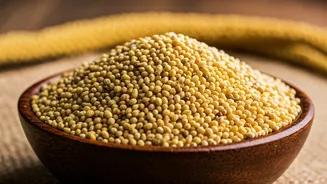
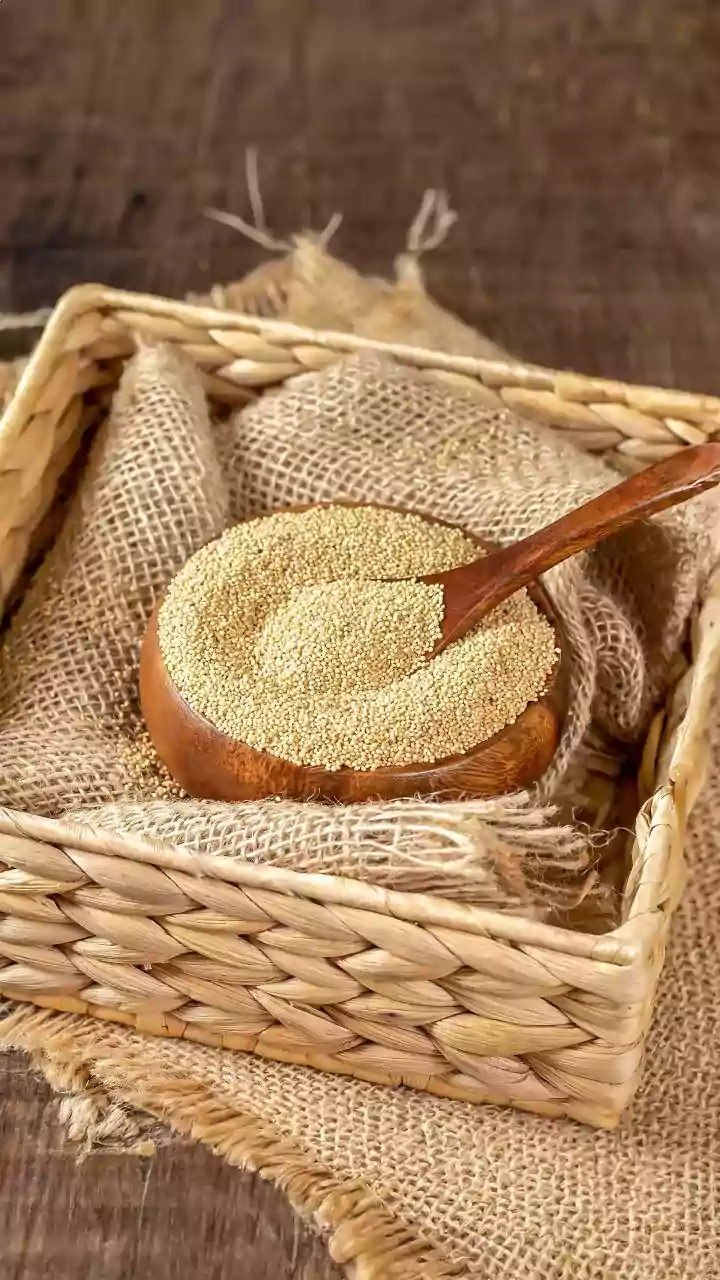
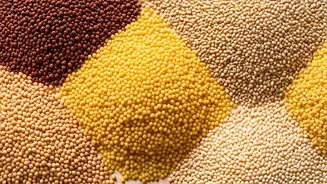
Intrigued? Getting started with millet at home is easier than you think. You can find it in the bulk bins or grain aisle of most health food stores and increasingly in major supermarkets. The most common variety in U.S. is proso millet. Cooking it is as simple as preparing rice: use a 2:1 ratio of water or broth to grain, bring to a boil, then simmer covered for about 15-20 minutes until the liquid is absorbed. A pro tip is to toast the dry grains in a pan for a few minutes before adding liquid; this enhances their natural nutty flavor. Use it as a swap for quinoa in your favorite grain bowl, stir it into soups to add body, or try a simple millet pilaf with sautéed onions, herbs, and a squeeze of lemon. It’s a forgiving grain that invites experimentation, offering a simple way to connect your modern kitchen to a deep, delicious history.