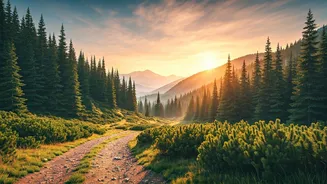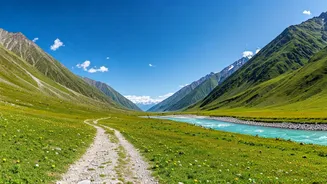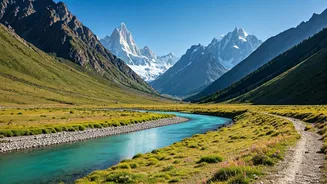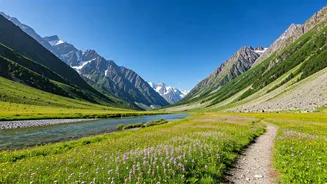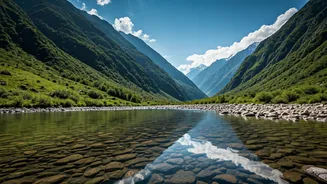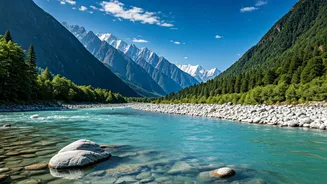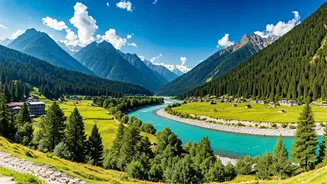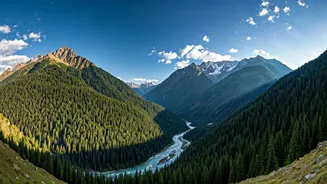





The Himalayan Hideaway
Tucked away in Himachal Pradesh, the Tirthan Valley is the kind of destination that feels like a shared secret. It sidesteps the commercial buzz of more famous Indian mountain towns like Shimla or Manali. You won’t find sprawling mega-resorts, bustling
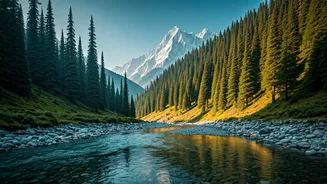
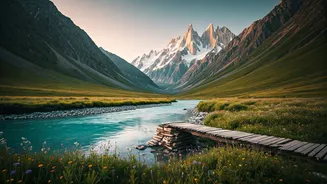
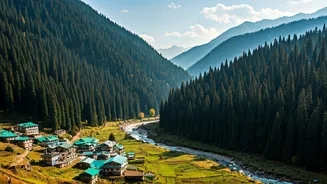
market streets, or long lines for attractions here. Instead, the valley, which serves as a gateway to the UNESCO World Heritage Site of the Great Himalayan National Park, has deliberately cultivated a culture of eco-tourism. Its charm lies in what it lacks: the overwhelming pressure to do something every minute. Life moves at the pace of the Tirthan River that carves through the landscape, offering a genuine escape for couples who want to reconnect with nature and, more importantly, with each other.
Romance in Simplicity
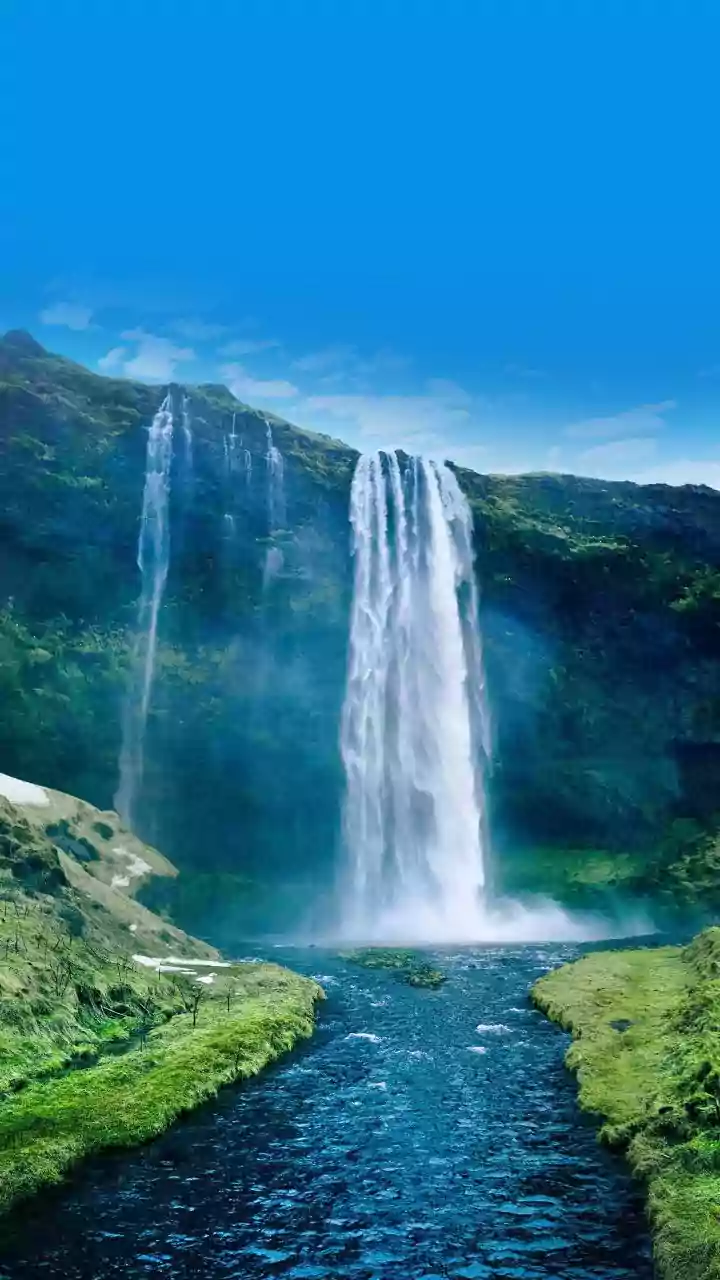
The romance of Tirthan isn’t found in candlelit dinners at five-star restaurants, but in simpler, more profound moments. It’s in waking up to birdsong in a rustic wooden homestay, sharing a thermos of hot chai on a crisp morning, or finding a secluded spot by the river to read. It's about packing a small picnic and hiking to a hidden waterfall, with no one else in sight. Evenings are for bonfires and stargazing, not nightclubs. The entire atmosphere is an invitation to slow down and be present. For couples accustomed to the relentless pace of modern life, the valley offers a rare opportunity to simply exist together, trading notifications and to-do lists for quiet conversation and shared silence.
Adventures Built for Two
While tranquility is the main draw, Tirthan is far from boring. The valley is an outdoor playground perfectly suited for shared adventures. One of the most popular activities is trout fishing; the river is famous for its brown and rainbow trout, and spending an afternoon angling together is a classic Tirthan experience. For more active couples, the hiking opportunities are endless. You can take easy day treks to nearby villages like Jibhi, known for its fairytale-like wooden architecture, or embark on more challenging routes to serene spots like Serolsar Lake. Exploring the Great Himalayan National Park offers a chance to spot unique flora and fauna. These aren't guided tours with 50 other people; they are intimate explorations that create lasting memories.
Where to Stay: Homestays and Heart
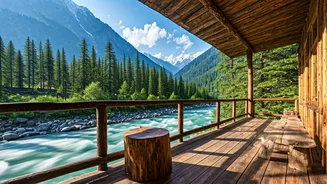
A huge part of Tirthan’s appeal is its accommodation. The valley is dotted with small, family-run guesthouses and homestays rather than impersonal hotel chains. These riverside cottages and traditional ‘kath-kuni’ style homes offer an authentic and intimate experience. Hosts often double as guides and chefs, serving delicious, home-cooked Himachali meals. Staying in a homestay allows you to connect with the local culture and experience the warm hospitality the region is known for. It reinforces the feeling of being a welcome guest rather than just another tourist, adding a layer of warmth and personal connection to your stay.
How to Get There
Getting to a place this secluded requires a bit of effort, which is part of what keeps the crowds at bay. For travelers from the U.S., the journey typically involves flying into New Delhi (DEL), followed by a short domestic flight to the nearest airport, Bhuntar Airport (KUU) in Kullu. From Bhuntar, Tirthan Valley is a scenic but winding 2-to-3-hour drive. You can hire a taxi from the airport for the final leg of the journey. The best times to visit are during the spring (March to June) and autumn (September to November), when the weather is pleasant, the skies are clear, and the landscape is at its most beautiful. The journey itself is an adventure, taking you from the plains into the heart of the majestic Himalayas.