
The ‘Miracle Tree’ Hiding in Plain Sight
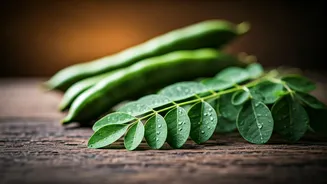
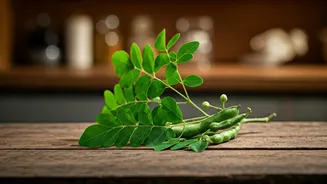
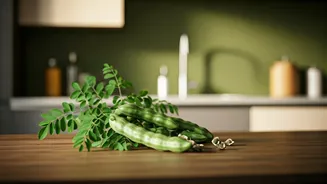
Before kale became a status symbol and açai bowls flooded Instagram, there was moringa. Known scientifically as *Moringa oleifera*, it’s more commonly called the drumstick tree in India, named for its long, slender seed pods that are a staple in dishes
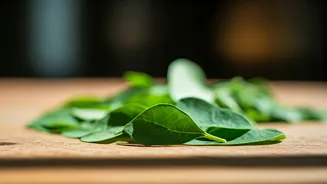
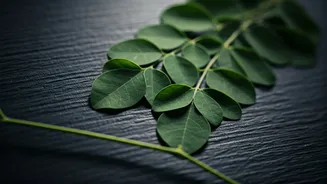
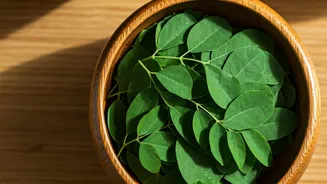
like sambar. While the pods are popular, the real powerhouse is the leaves. Small, round, and delicate, these greens have been a cornerstone of Ayurvedic tradition and home cooking for centuries across South Asia and Africa. Often called the ‘miracle tree,’ nearly every part of it is useful. Traditionally, families with a moringa tree in their yard had a free, year-round source of incredible nutrition. The leaves were simply plucked, washed, and tossed into dals, curries, or stir-fries, providing a potent boost of vitamins and minerals without any fuss.
From Backyard Staple to ‘Old-Fashioned’ Fare
So if it’s so great, why the need for a “rediscovery”? Like many traditional foods, moringa became a victim of perception. As India urbanized and processed foods became more accessible, some began to view backyard greens as rustic or old-fashioned. Packaged, branded, and modern foods seemed more sophisticated. For a generation or two, cooking with moringa was something grandmothers did. The slightly earthy, spinach-like taste and the minimal labor required to prepare it were overshadowed by the convenience of a supermarket vegetable aisle. It wasn’t forgotten, but it was often relegated to the background—a reliable but unexciting part of a culinary heritage that was being rapidly updated.
A Wellness-Fueled Comeback
Today, that perception is flipping dramatically. The global wellness movement has sparked a renewed interest in nutrient-dense, plant-based foods, and moringa fits the bill perfectly. It’s packed with vitamin C, iron, potassium, and protein, with a potent mix of antioxidants. As younger generations in India and the diaspora look to connect with their roots while prioritizing health, moringa has emerged as a star. It’s now seen not as a humble backyard plant but as a premium “superfood.” Social media is filled with food bloggers and health influencers touting the benefits of moringa powder in green smoothies or energy bars. This modern rebranding has given people permission to love it again, bridging the gap between ancient wisdom and contemporary wellness trends. It’s a comeback story fueled by both science and nostalgia.
How to Bring Moringa to Your Table
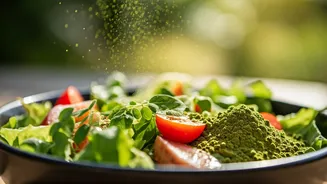
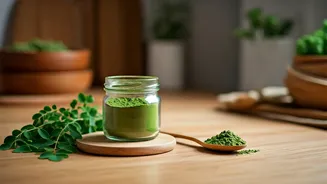
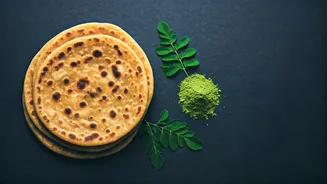
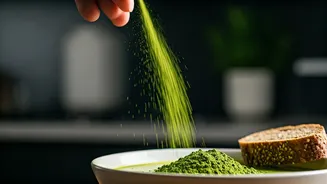
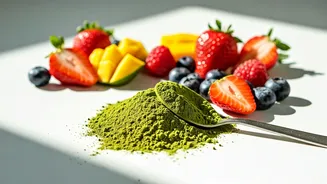
Curious? Getting started with moringa is easier than you think. In the U.S., you’ll most commonly find it in three forms. The most accessible is moringa powder, sold in health food stores and online. It has a concentrated, earthy flavor often described as a mix of spinach and matcha. A teaspoon is a great addition to smoothies, oatmeal, or even whisked into salad dressings. If you live near an Indian or international grocery store, you may find fresh or frozen moringa leaves. Treat them like you would spinach or kale: they’re excellent sautéed with garlic and onions, stirred into lentil soups (dal), mixed into scrambled eggs, or blended into savory pancake batter. The flavor is mild enough not to overpower a dish but distinct enough to add a pleasant, green earthiness. It’s a simple way to add a serious nutritional punch to meals you already make.