

More Than Just a Change of Scenery
For years, the dream of remote work was sold with images of a laptop on a beach. The reality, for many, was just their same old job with a different, often distracting, background. But as companies solidify flexible work policies, a more mature and meaningful
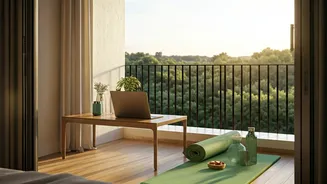
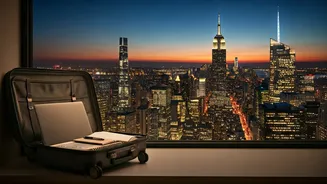
trend is taking root. It’s not about a one-week jaunt; it's about a one, two, or three-month immersion. This is the extended work trip, and it’s less about escaping work and more about integrating it into a life you’re curious to lead. Think of it as 'digital nomadism lite' or, more accurately, a 'life-audition.' People aren't just changing their Zoom background; they're road-testing a new city, a slower pace, or a different daily routine, all without having to quit their job or sell their house.
The 'Life Experiment' Mindset
What makes this different is the intention. A vacation is a temporary break from reality. A long-stay work trip is a temporary dip *into* a new one. The core idea is to answer a 'what if' question in a low-risk way. 'What if I actually lived in Denver?' instead of just visiting for a weekend. 'What if my family and I tried a small-town life for a season?' 'What if I dedicated my after-work hours to learning to surf in San Diego or taking pottery classes in Asheville?' By maintaining the stability of their job and income, professionals can conduct a real-world experiment on their own happiness and priorities. It’s a chance to see if the fantasy of living somewhere else holds up when confronted with the everyday realities of grocery shopping, finding a good coffee shop, and, of course, actually getting your work done.
From Tourist to Temporary Local
This shift is powered by a desire to move beyond the superficiality of tourism. After a few weeks in one place, the rhythms change. You’re no longer just hitting the top ten attractions on TripAdvisor. You're finding the best farmers market, becoming a regular at a local cafe, and maybe even making friends with neighbors. This deeper sense of connection is what separates the mini life experiment from a simple extended holiday. It satisfies a growing hunger for authentic experiences and a feeling of belonging, even if it's temporary. This model allows people to feel less like visitors consuming a place and more like participants contributing to a community. The goal isn't just to see new things, but to see if a new way of living fits.
A Blueprint for a More Flexible Future?
While not everyone can pack up for three months, the rise of the mini life experiment signals a profound shift in our relationship with work, place, and identity. It suggests a future where careers are less linear and lives are less geographically fixed. For employers, this trend presents both a challenge and an opportunity. Companies that embrace this level of flexibility may find it easier to attract and retain top talent who value autonomy and life experience. For individuals, it's a powerful new tool for personal growth and self-discovery. This isn't about running away from your life; it’s about running toward a different version of it, gathering data, and then making more informed decisions about what you truly want. It redefines the long-held boundary between a stable life and an adventurous one, suggesting that you might just be able to have both.