






It’s Not Just About the Salad Anymore
Let’s be honest: for decades, the term “vegetarian option” was often culinary code for a sad, uninspired salad or a plate of steamed vegetables. But the current plant-based boom is built on a foundation of flavor and innovation. The new generation of vegetarian and vegan
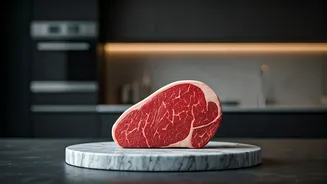
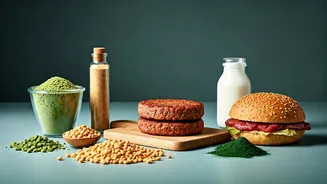
food isn’t about deprivation; it’s about culinary creativity. High-tech food startups like Impossible Foods and Beyond Meat have invested millions in cracking the code of what makes meat taste like meat, using plant proteins to replicate the texture, sizzle, and satisfying richness of a beef patty. This has given rise to the “bleeding” veggie burger, a product that appeals not just to committed vegans but to curious carnivores looking to reduce their meat consumption without sacrificing the experience. This focus on deliciousness has been a game-changer, turning plant-based eating from a moral choice into a genuinely appealing culinary one.
The Wellness Factor Got an Upgrade
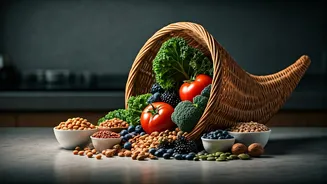
The connection between plant-based diets and health isn't new, but the conversation has evolved. It’s moved beyond simple weight-loss claims into a more holistic vision of wellness. Influential documentaries like “The Game Changers” have linked plant-based eating with elite athletic performance, dismantling the old myth that you need meat for strength. At the same time, a growing body of research—and endless discussion on social media—has highlighted the potential benefits for everything from gut health to reducing inflammation and lowering the risk of chronic diseases. For many Americans, particularly in a post-pandemic world with heightened awareness of personal health, adopting a more plant-forward diet feels like a proactive, empowering way to take control of their long-term well-being.
Your Dinner Plate as a Political Statement
For a growing number of people, especially younger generations, what’s on their plate is inseparable from the state of the planet. The livestock industry is a significant contributor to greenhouse gas emissions, deforestation, and water usage. As concerns about climate change move from the abstract to the immediate—with wildfires, floods, and extreme weather becoming more common—many are looking for tangible ways to make a difference. Choosing a bean burrito over a beef one is a simple, daily action that feels like a vote for a more sustainable future. This ethical dimension provides a powerful, persistent motivation that goes beyond personal taste or health goals. It reframes eating as a form of activism, making every meal an opportunity to align one’s values with their actions.
When Your Fast-Food Joint Goes Vegan
Perhaps the most telling sign that veg diets are truly “having a moment” is their infiltration of the ultimate bastion of American food culture: the fast-food industry. When chains like Burger King (the Impossible Whopper), KFC (Beyond Fried Chicken), and even McDonald's are testing and rolling out plant-based options, it signals a massive shift. This isn’t just about catering to a niche market anymore; it’s about meeting mainstream demand. This normalization is crucial. It removes the friction and social awkwardness that once came with plant-based eating. You no longer have to find a specialty cafe; you can grab a vegan-friendly option on a road trip. This widespread availability, coupled with celebrity endorsements and the sheer ubiquity of plant-based products in supermarkets, has made plant-centric eating easier, more convenient, and more socially acceptable than ever before.