





What 'Human-Grade' Really Means
First, let's clear up the marketing jargon. "Human-grade" isn't just a feel-good phrase; it has a specific, legally defined meaning. According to the Association of American Feed Control Officials (AAFCO), for a pet food to be labeled "human-grade," every
single ingredient must be stored, handled, processed, and transported in a manner that is legally suitable for human consumption. The finished product must also be made in a facility that manufactures human food. This is a high bar to clear. It means the chicken in your dog’s fancy fresh food is the same quality of chicken that could end up in your grocery cart. The carrots aren't rejects unfit for human use. This distinguishes it from the vast majority of pet foods, which are made with "feed-grade" ingredients. Feed-grade components are still regulated for safety, but they don't have to meet the same exacting standards as food for people.
The Rise of the Fur Baby
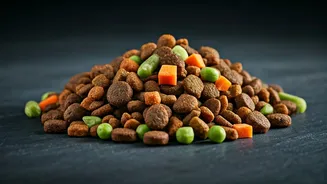
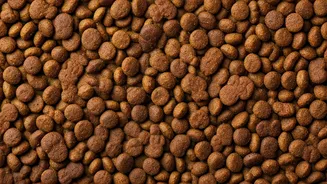
So, why the sudden surge in demand for food that sounds like a healthy meal-prep delivery service? The answer lies in a major cultural shift: the humanization of our pets. More than ever, Americans view their dogs not just as animals but as integral members of the family. We call ourselves "pet parents," we celebrate their birthdays, and we post their antics all over social media. This emotional bond changes our spending priorities. This trend also dovetails perfectly with the broader wellness movement. As people become more conscious of clean eating, organic produce, and transparent ingredient lists for themselves, it’s a natural extension to want the same for their pets. If you're avoiding heavily processed foods in your own diet, the idea of feeding your dog a dry, brown pellet manufactured months ago can start to feel less appealing. Marketers have seized on this, creating brands that speak the language of modern wellness—words like “fresh,” “natural,” and “gently cooked” abound.
The Potential Perks and Promises
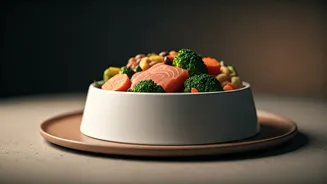
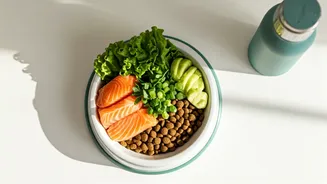
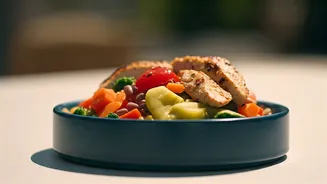
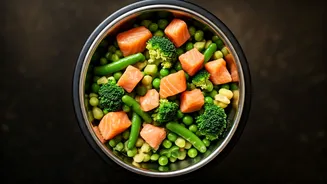
Proponents of human-grade diets point to a range of potential benefits. The most common claims revolve around improved digestibility. Because the ingredients are less processed and often higher in moisture, they may be easier on a dog's digestive system, potentially leading to less stomach upset and, to put it politely, better-quality bathroom breaks. Pet owners often report anecdotal improvements like shinier coats, higher energy levels, and relief from certain skin allergies. Furthermore, the transparency is a huge selling point. When you can see the actual peas, carrots, and chunks of meat in your dog’s bowl, it provides a sense of confidence and control that's missing with traditional kibble. For dogs with specific sensitivities, knowing exactly what’s in their food—and what isn't—can be a game-changer.
The Vet's-Eye View on Nutrition
When you ask veterinarians about human-grade dog food, their response is often nuanced. Their primary concern isn't whether the food is human-grade, but whether it is “complete and balanced.” A diet of just ground turkey and rice might be human-grade, but it will lead to serious nutritional deficiencies over time. Any reputable dog food, regardless of its format, should state that it meets the nutritional profiles established by AAFCO for a dog’s specific life stage (e.g., puppy, adult, senior). Many vets are supportive of high-quality diets and see the appeal of fresh food. However, they also caution against improperly formulated homemade or subscription-service diets. The biggest red flag for a veterinarian is a company that doesn't consult with or employ veterinary nutritionists to formulate its recipes. The source of the ingredients matters, but the nutritional science behind the final product matters more.
Decoding the Demanding Price Tag
There’s no getting around it: feeding a human-grade diet is expensive. This isn't just a small step up from premium kibble; it can cost several times more, especially for a large dog. The price reflects the higher cost of human-grade ingredients, the expense of running a human-food-compliant facility, and, for fresh food services, the logistics of refrigerated shipping and handling. For many pet parents, the cost is a worthwhile investment in their dog's perceived health and longevity. For others, it's a prohibitive luxury. It's a personal financial decision, but one that highlights the growing willingness of consumers to spend significant amounts of money on their pets' well-being.