






1. They're a Gut Health Powerhouse
This is the reason you hear about most, and for good cause. Your gut is home to trillions of microorganisms—bacteria, fungi, and viruses—collectively known as your microbiome. Think of it as a bustling city inside you; for it to function well, you need
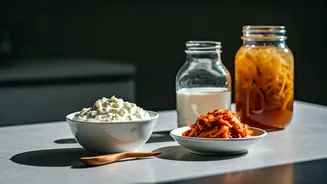
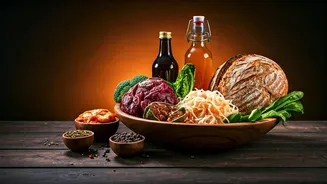
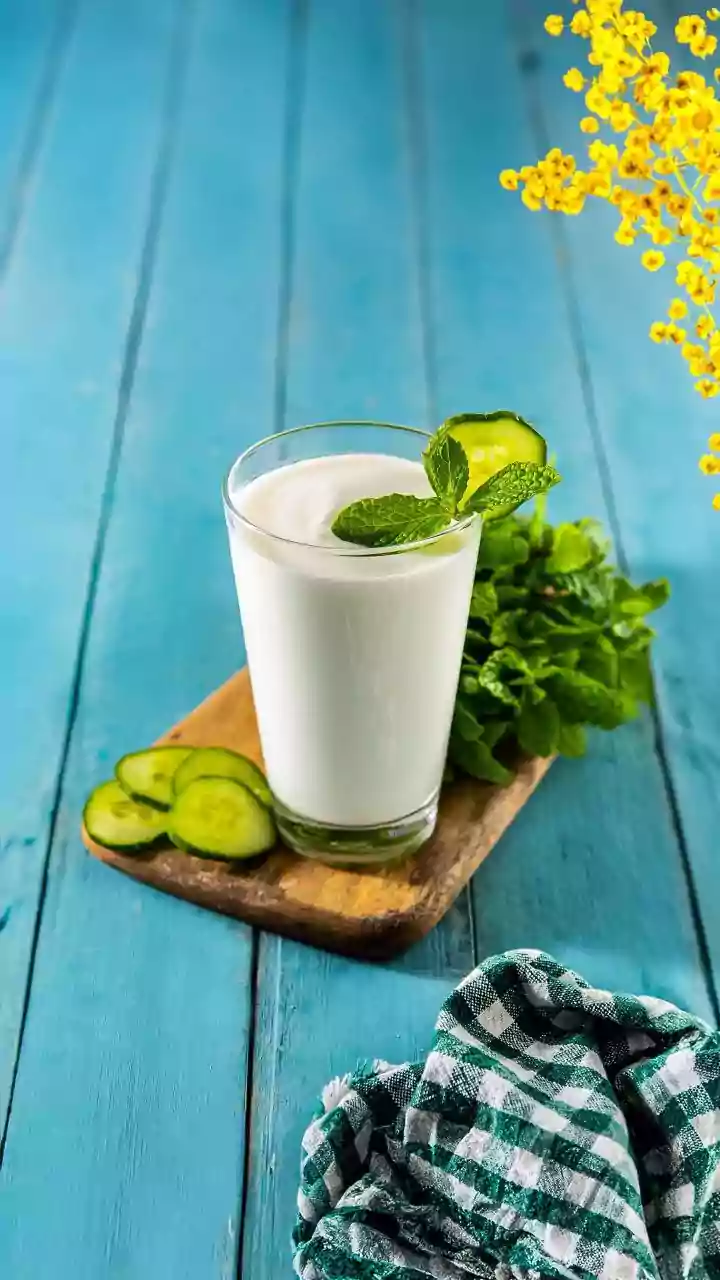
a healthy balance of residents. Fermented foods like yogurt, kefir, and unpasteurized sauerkraut are packed with probiotics, which are beneficial live bacteria. Introducing these 'good guys' can help diversify and support your gut flora. A healthy microbiome is linked to everything from better digestion and reduced bloating to improved mood, as the gut and brain are surprisingly interconnected.
2. They Unlock More Nutrients From Your Food
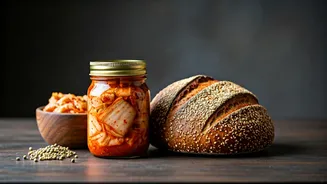
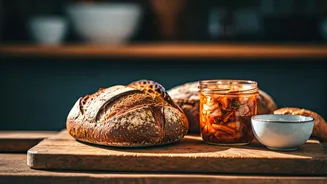
Ever wonder why sourdough bread is often easier to digest than other breads? The answer lies in fermentation. The process acts as a form of 'pre-digestion,' breaking down complex compounds that can be hard for our bodies to handle. For example, fermentation can reduce levels of phytic acid, a natural compound found in grains and legumes that can hinder the absorption of minerals like iron, zinc, and calcium. By breaking down these 'anti-nutrients,' the fermentation process makes the vitamins and minerals in the food more bioavailable, meaning your body can absorb and use them more efficiently. You're not just eating food; you're eating food that's been optimized for your body.
3. They Can Be a Partner to Your Immune System
It might sound strange, but a huge portion of your immune system—around 70%—is located in your gut. The gut wall acts as a critical barrier, deciding what gets absorbed into your bloodstream and what gets kept out. A healthy, balanced microbiome helps maintain the integrity of this barrier. By supporting your gut health with a variety of fermented foods, you’re also supporting the command center of your immune response. While no single food is a silver bullet, incorporating probiotic-rich foods into a balanced diet is a scientifically supported strategy for fostering a resilient immune system that’s ready to do its job effectively.
4. They Add Incredible, Complex Flavor
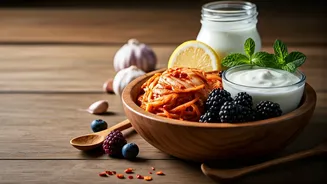
Let’s move beyond the lab and into the kitchen. One of the best reasons to embrace fermented foods is simply that they taste amazing. Fermentation is a transformative process that creates deep, complex flavors you can't get any other way. It’s what gives sourdough its signature tang, miso its savory umami depth, and kimchi its spicy, funky punch. A dollop of Greek yogurt can cool down a spicy dish, a splash of kombucha can be a sophisticated alternative to soda, and a side of pickles can cut through the richness of a sandwich. They’re not just health foods; they're flavor enhancers that can make your everyday meals more exciting and delicious.
5. It’s an Ancient, Global Tradition
While fermented foods might seem like a modern wellness fad, they are one of the oldest forms of food preservation known to humanity. For thousands of years, long before refrigeration, cultures across the globe used fermentation to keep food from spoiling and to create unique culinary staples. From sauerkraut in Germany and kimchi in Korea to kefir in the Caucasus Mountains and injera in Ethiopia, this practice is woven into the fabric of global food history. This long, rich tradition tells us that fermentation isn't just a fleeting trend; it’s a time-tested technique that has nourished humans for millennia, proving its value long before we had the science to explain exactly why.