


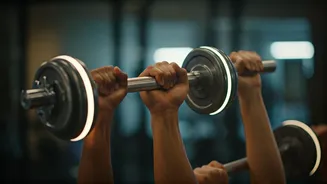


The Cardio Monarchy Has Been Challenged
Remember when getting “in shape” meant one thing? Logging miles. For years, particularly for women, the pinnacle of fitness was presented as cardio-centric, an endless pursuit of a smaller number on the scale. The goal was often to be lean, and the prescribed
path was running, aerobics, or the elliptical—burning calories was the undisputed king. That narrative is finally changing. The cultural pendulum is swinging away from the singular goal of thinness toward a more empowering ideal: strength. This isn’t to say cardio is gone—it remains vital for heart health—but it’s no longer the only character in the story. People are realizing that a truly capable body isn’t just one that can endure, but one that can also push, pull, and lift. The aesthetic has shifted from waifish to powerful, and with it, the tools we use to build our ideal selves have changed, too.
Longevity Is The New Six-Pack
Perhaps the biggest driver of the weightlifting renaissance is a massive reframing of fitness goals. It’s less about looking good for a season and more about feeling good for a lifetime. As the science becomes more mainstream, the long-term benefits of resistance training are simply too compelling to ignore. We now know that lifting weights is one of the single best things you can do to combat sarcopenia, the natural muscle loss that begins in our 30s and accelerates with age. Stronger muscles mean a more robust metabolism, better insulin sensitivity, and a lower risk of falls in later life. Crucially, stressing your bones through weight-bearing exercise is the gold standard for increasing bone density and warding off osteoporosis. The conversation has shifted from “beach body” to “body for life,” and in that context, building and maintaining muscle is the ultimate investment.
A Different Kind of Mental Lift
While a runner’s high is well-documented, the mental benefits of strength training offer a different, equally potent appeal. There’s a unique psychological reward in lifting something heavy you couldn’t lift last month. The progress is tangible, measurable, and entirely your own. This builds a profound sense of self-efficacy and confidence that translates to life outside the gym. Furthermore, a heavy lifting session demands complete focus. You can’t be worrying about work emails when you’re concentrating on your form under a heavy squat. This forced mindfulness provides a meditative escape from the noise of daily life. For many, the rhythmic, focused effort of a lifting session is a powerful tool for managing anxiety and stress. It’s not just about building physical resilience; it’s about forging mental armor, one rep at a time.
Social Media Demystified The Dumbbells
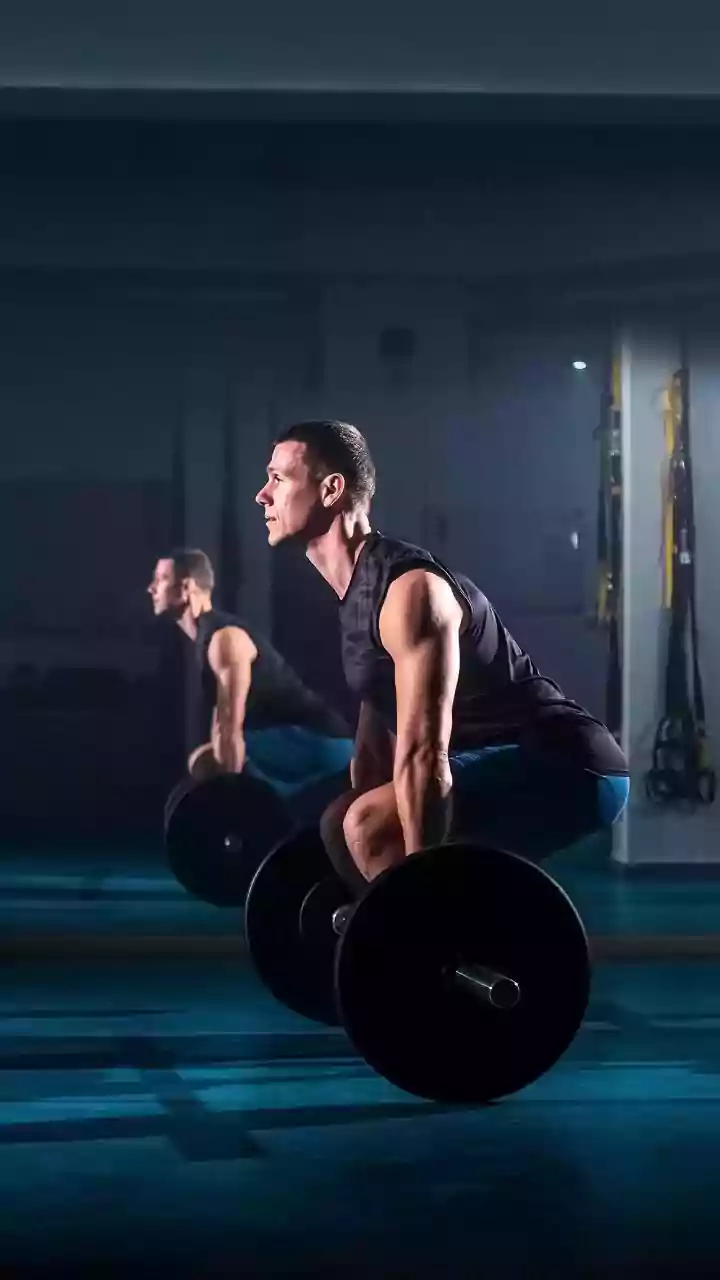
The weight room used to be an intimidating space, governed by unwritten rules and populated by people who seemed to have been born knowing how to use every machine. Social media, for all its faults, has been a powerful democratizing force. Platforms like Instagram and TikTok are filled with certified trainers, physical therapists, and everyday fitness enthusiasts who break down complex movements into digestible videos. Suddenly, the “how-to” is accessible to everyone. You can watch a tutorial on proper deadlift form on your phone right before you attempt it. You can find entire programs designed for beginners and see people who look like you sharing their own journeys, struggles, and triumphs. This visibility has shattered the illusion that the weight room is an exclusive club, inviting millions to pick up a dumbbell for the first time with a newfound sense of confidence and community support.