







The Magic of a Mini-Forest
Why do ferns have such a powerful, transporting effect? It comes down to biophilia—our innate human desire to connect with nature. The delicate, fractal patterns of fern fronds are visually complex and deeply soothing to the eye. Unlike many flowering
plants that offer seasonal bursts of color, ferns provide a constant, deep green that evokes the cool, damp floor of an ancient woodland. Their arching shapes create a sense of canopy and enclosure, tricking the brain into perceiving a small space as more sheltered and expansive. By massing them together, you’re not just adding plants; you’re building a living, breathing texture that absorbs sound, cools the air, and creates a genuine sense of sanctuary just a few feet from your living room.
Choose the Right Ferns for Your Space
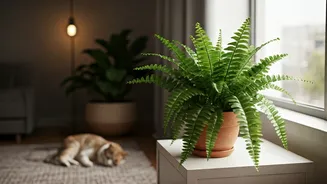
Not all ferns are created equal, especially when it comes to life in a pot. Success starts with selecting species that thrive in containers and match your balcony’s specific light conditions. **For shady or partially shaded balconies:** The classic **Boston Fern** (Nephrolepis exaltata) is a champion for a reason. Its long, arching fronds create instant drama and fullness. It loves humidity and consistent moisture. Similarly, the delicate **Maidenhair Fern** (Adiantum) brings a soft, ethereal quality, but be warned: it's notoriously fussy and demands consistent moisture, never wanting to dry out completely. A hardier choice for shade is the **Autumn Fern** (Dryopteris erythrosora), whose new fronds emerge in a coppery-red color before maturing to a glossy green, adding a touch of seasonal interest. **For sunnier spots:** Finding sun-loving ferns can be trickier, as most prefer shade. However, the **Ostrich Fern** (Matteuccia struthiopteris) can tolerate more sun if it's kept consistently moist. Its tall, vase-like shape provides great height. The hardy **Western Sword Fern** (Polystichum munitum) is another robust option that can handle a few hours of direct morning sun, especially in cooler climates. Always check plant tags for specific light and water requirements before you buy.
Create a Lush, Layered Layout
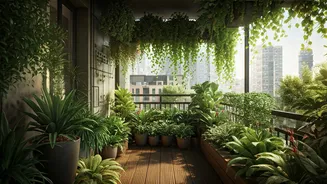
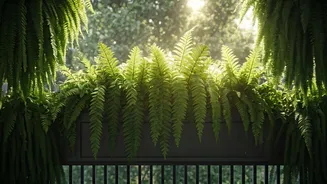
The key to a forest-like feel is creating layers and density. Avoid lining up a few small pots in a single row. Instead, think vertically and horizontally. First, establish a background. Place your tallest ferns, like the Ostrich or Sword Fern, in larger pots at the back of the balcony against the wall. This creates a green backdrop and a sense of depth. Next, add your mid-layer. Use bushy, cascading plants like the Boston Fern in pots on small stands or benches to vary their height. This fills in the middle ground and makes the arrangement feel more organic. Finally, use the vertical space. Hang baskets with trailing ferns from your balcony ceiling or railing. This draws the eye upward and creates that immersive canopy effect. Don’t be afraid to group pots of different sizes and styles closely together. The goal is to obscure the hard edges of the floor and railings with a soft, overlapping sea of green.
Keep Your Green Sanctuary Thriving
Ferns have a reputation for being high-maintenance, but their needs are actually quite simple: they hate to dry out. Container soil dries much faster than garden soil, so daily checking is a must, especially during hot weather. Stick your finger an inch into the soil; if it feels dry, it’s time to water thoroughly until it runs out the drainage holes. Misting the fronds with a spray bottle every few days can also help replicate the humidity they love. Use a high-quality potting mix designed for containers, which will retain moisture while still providing good drainage. Most ferns don’t require heavy feeding. A dose of balanced, water-soluble fertilizer diluted to half-strength once a month during the spring and summer growing season is usually plenty to keep them lush and happy.