





1. Ghee: The Healthy Fat Comeback
For years, ghee was the misunderstood villain in the story of dietary fats. This nutty, fragrant clarified butter was often sidelined in favor of imported olive oils. Not anymore. With the rise of high-fat diets like keto and a renewed appreciation for
whole foods, ghee is back in the spotlight. It’s rich in fat-soluble vitamins (A, E, and K) and butyric acid, a short-chain fatty acid that can support gut health. Fitness enthusiasts are now using it as their primary cooking fat, blending it into morning coffee for sustained energy, or drizzling it over steamed vegetables and lentils instead of processed dressings. It’s proof that the right fat isn’t just good for you; it’s essential.
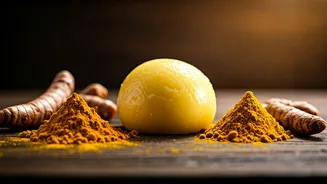
2. Turmeric: The Golden Spice Rebooted
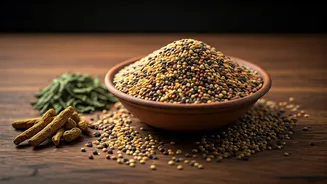
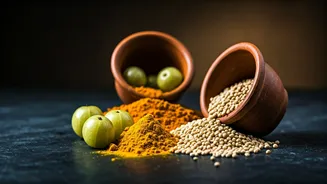
Sure, turmeric has been the star of Indian kitchens for centuries, but its role has evolved far beyond coloring curries. Its active compound, curcumin, is a potent anti-inflammatory agent, making it a go-to for athletes and anyone focused on muscle recovery. The modern twist isn't just using the spice; it's about maximizing its benefits. You’ll now find it in post-workout smoothies, wellness shots paired with black pepper (which boosts curcumin absorption), and, of course, the ubiquitous “golden milk” latte. It’s the original wellness ingredient, finally getting the global PR campaign it always deserved.
3. Amla: The Vitamin C Powerhouse
Move over, oranges. Amla, or Indian gooseberry, is one of the most potent sources of Vitamin C on the planet. This small, tart, green fruit has long been a cornerstone of Ayurvedic medicine for its immune-boosting properties. While traditionally eaten pickled or in preserves (murabba), it’s now being embraced in more fitness-friendly forms. Health-conscious Indians are starting their day with a shot of fresh amla juice, blending the frozen fruit into green smoothies, or taking it as a powder. It's a fantastic, low-sugar way to support immunity and skin health, making it a staple for those looking to glow from the inside out.
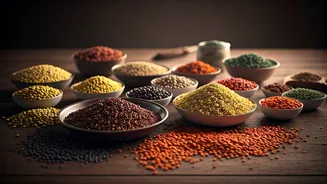
4. Millets: The Ancient Grain Revolution
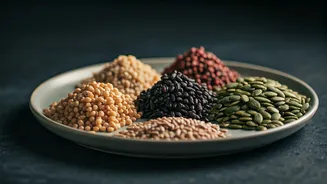
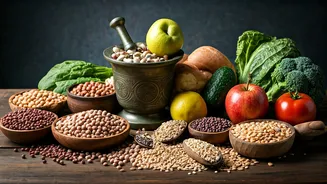
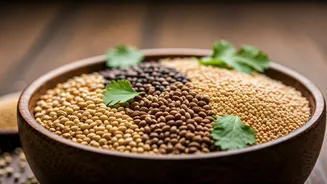
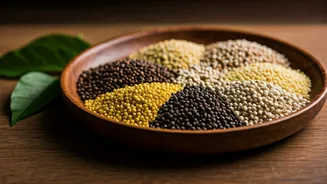
While quinoa had its moment, India is looking back to its own ancient grains. Millets like ragi (finger millet), jowar (sorghum), and bajra (pearl millet) are making a huge comeback. These hardy, gluten-free grains are packed with fiber, protein, and essential minerals like iron and calcium. They have a lower glycemic index than refined wheat or white rice, providing slow-release energy that’s perfect for fueling workouts and preventing energy crashes. Instead of heavy rotis made from refined flour, people are eating ragi dosas, jowar flatbreads, and millet porridge, transforming carb-heavy meals into balanced, nutrient-rich fuel.
5. Moringa: The Nutrient-Dense Miracle Leaf
Often called the “miracle tree,” every part of the moringa tree is useful, but its leaves are a nutritional goldmine. They are loaded with vitamins, minerals, and antioxidants. In terms of sheer nutrient density, moringa powder rivals any trendy green powder on the market, offering a complete protein with all nine essential amino acids. In modern Indian diets, it’s being sprinkled into daals (lentil soups), blended into smoothies, or kneaded into dosa and flatbread batter. It provides a massive nutritional boost without altering the flavor profile of a dish, making it an easy and effective addition for anyone looking to optimize their health.
6. Ashwagandha: The Adaptogen for Modern Stress
Ashwagandha is an ancient medicinal herb classified as an adaptogen, meaning it helps your body manage stress. In the high-stakes world of fitness, where physical stress from workouts and mental stress from daily life can hinder recovery and progress, this root has become a key player. It's linked to reducing cortisol levels, improving sleep, and enhancing strength and endurance. Once primarily consumed in traditional Ayurvedic preparations, ashwagandha is now a popular supplement found in protein powders, calming nighttime teas, and capsules, helping people recover faster and perform better by tackling stress at its source.