


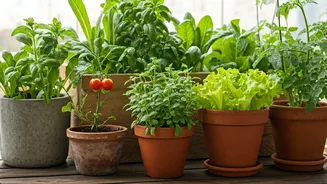



The Downside of a Downpour
For anyone with a container garden on a patio, balcony, or porch, a summer storm is a mixed blessing. While your plants need water, a sudden, heavy downpour can be too much of a good thing. Most pots have drainage holes, but they are often not enough
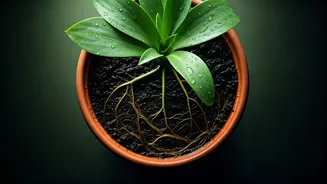
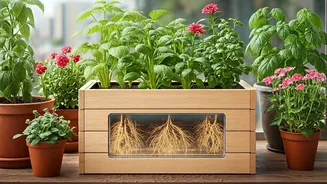
to handle a deluge. The result is a pot full of saturated, swampy soil. This isn't just a temporary inconvenience; it's a serious threat to your plants. When soil is waterlogged, air pockets disappear, and roots are deprived of the oxygen they need to survive. This anaerobic environment is the perfect breeding ground for fungal and bacterial diseases, leading to the dreaded 'root rot.' Once root rot sets in, it’s incredibly difficult to reverse. The plant’s leaves may yellow, wilt, and drop, making it look thirsty even though it's drowning. For many gardeners, this cycle of overwatering from unpredictable weather is a primary cause of plant failure.
The Deceptively Simple Solution
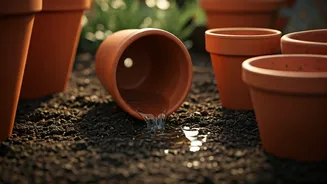
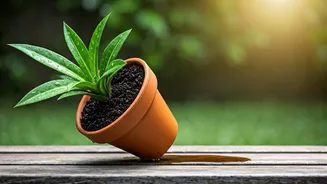
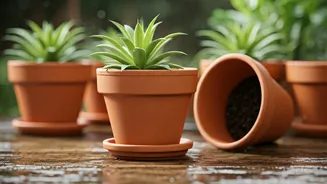
The fix is so straightforward it almost feels like a joke: just tilt the pot. By propping up one side of your container with a small, sturdy object, you can dramatically improve its ability to drain excess water. You don’t need special equipment or complicated techniques. A small stone, a piece of scrap wood, a durable plastic bottle cap, or even a purpose-made product called a 'pot foot' will do the trick. Placing one of these props under one edge of the container creates a slight angle, and that’s all it takes. You can do this before a predicted storm as a preventative measure or after a downpour to help a saturated pot dry out more quickly. It's a low-effort, high-impact maneuver that can make the difference between a thriving plant and a soggy mess.
The Science Behind the Slant
This simple trick works because of a principle in soil physics related to the 'perched water table.' In any container, a layer of fully saturated soil forms at the bottom after watering, right above the drainage holes. Gravity can’t pull this water out because the cohesive and adhesive forces of the water molecules are stronger than the gravitational pull over that short distance. This zone of stagnant water is where root rot begins. When you tilt the pot, you effectively change the geometry of this perched water table. The lowest point is no longer the flat bottom but a single, lower point at the angled edge. This gives gravity a helping hand, allowing it to pull more of that trapped water out through the drainage hole. You're not adding more holes or changing the soil; you're simply using physics to make the existing drainage system far more efficient. It’s a perfect example of a gardening 'hack' that is fully supported by horticultural science.
How to Do It Right
Executing this technique is nearly foolproof, but a few tips can help. First, choose a prop that is stable and won't rot or crush easily. A flat rock or a small block of cedar are excellent choices. The goal is a gentle slant, not a precarious lean—an inch or two of lift is usually plenty for a medium-sized pot. Ensure the pot is stable and not at risk of tipping over, especially in windy conditions. If your pot sits in a saucer, the tilt is even more crucial. It allows you to easily tip the excess water out of the saucer without having to lift a heavy, waterlogged container. This prevents the pot from reabsorbing the runoff and denies mosquitos a place to lay their eggs. For a clean look, you can use three or four matching 'pot feet' to elevate the entire container, which achieves the same drainage benefit while also improving air circulation underneath.