



Why This Setup Is Genius
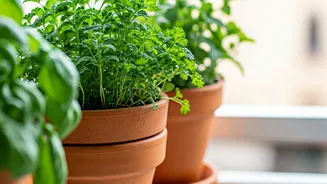
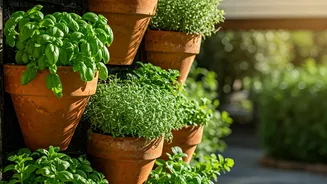
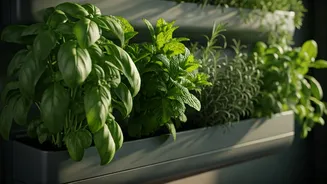
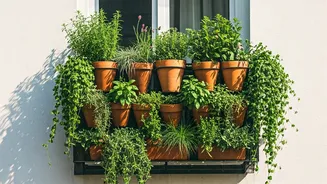
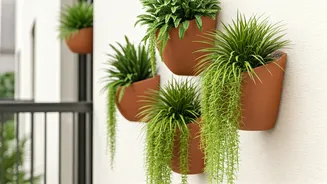
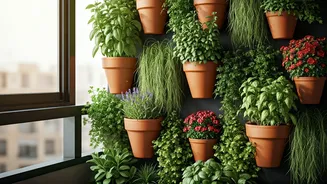
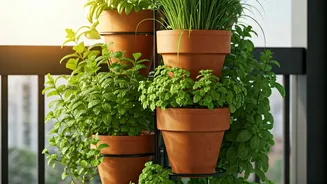
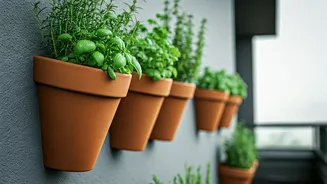
Before you start digging, let's talk about why this specific combination—vertical, terracotta, balcony—is a winning formula. First, vertical gardening is a city dweller's best friend. It utilizes upward space, turning a tiny footprint into a productive
green wall. This is crucial for balconies where square footage is precious. Second, terracotta is more than just a classic look. The unglazed clay is porous, which allows air and moisture to pass through the pot walls. For herbs that enjoy humidity but detest soggy roots (a common trait for 'monsoon' plants), this breathability provides excellent drainage and prevents root rot. It creates a more stable, healthy environment for the plant's root system, especially during hot, damp summers. Together, these elements create a low-maintenance, high-yield system perfectly suited for the unique demands of a balcony microclimate.
Choosing Your 'Monsoon' Herbs
So, what exactly is a 'monsoon' herb? It’s not a strict botanical category, but rather a useful way to group plants that flourish in the warm, humid, and rainy conditions typical of a South Asian monsoon. For a U.S. gardener, this means herbs that love summer heat, appreciate consistent moisture, but demand excellent drainage—making them ideal for our terracotta setup. These are often the foundational flavors of Thai, Vietnamese, and Indian cuisines. Think of aromatic leaves that release a burst of fragrance after a summer shower. The goal is to select plants that won't just survive your hot, humid summers, but will actually thrive in them, rewarding you with vigorous growth and intense flavor when other plants might be struggling.
Top 5 Herbs for Your Garden
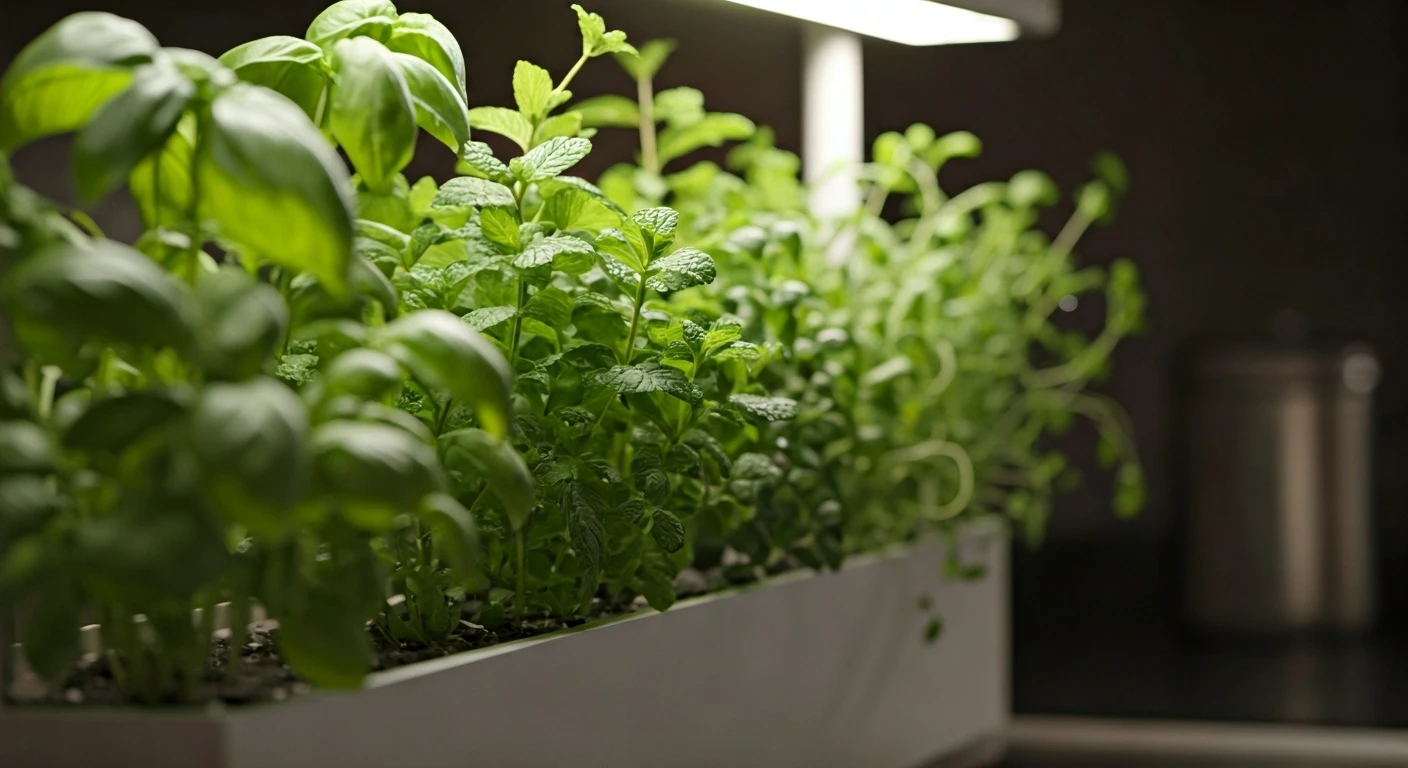
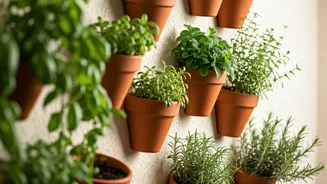
Ready to plant? Here are five fantastic and accessible herbs that fit the bill: 1. **Holy Basil (Tulsi):** More peppery and clove-like than its Italian cousin, Holy Basil loves heat. It’s a staple in Thai cooking and makes a wonderfully fragrant tea. It needs full sun to develop its best flavor. 2. **Mint (Pudina):** A classic that can become a garden bully if not contained in a pot—which makes it perfect for this project. Spearmint or peppermint varieties thrive in moisture and partial sun, providing endless leaves for mojitos, teas, and chutneys. 3. **Lemongrass:** This grass-like plant offers a bright, citrusy flavor essential for soups and curries. It adores full sun and heat. Plant it in the largest pot in your stack, as it can grow quite tall. 4. **Cilantro/Coriander:** Known for bolting in extreme heat, some varieties are bred for heat tolerance. Plant in a spot that gets morning sun and afternoon shade. Even if it bolts, the flowers attract pollinators and the seeds (coriander) can be harvested. 5. **Ginger:** You can grow ginger from a piece of the rhizome you buy at the store. It prefers partial, dappled shade and rich, moist soil. The leaves are also edible and have a milder ginger flavor.
Assembling Your Vertical Garden
Building your garden is straightforward. First, gather your supplies: a set of stacking terracotta planters or individual pots of varying sizes that you can arrange on shelves. You’ll also need a high-quality potting mix—don't use garden soil, which is too heavy. Look for a mix designed for containers that contains perlite or vermiculite for extra drainage. Fill each pot or tier with the mix, leaving an inch or two at the top. Gently remove each herb from its nursery pot, loosen the root ball slightly, and place it in its new home. For a stacked planter, put sun-lovers like lemongrass and basil at the top, and plants that appreciate a little more shade and moisture, like mint and ginger, in the lower tiers which may be shaded by the pots above. Water thoroughly after planting to settle the soil.
Care, Watering, and Harvest
The key to a happy monsoon garden is mimicking its natural environment: moisture followed by drainage. Terracotta dries out faster than plastic, so on hot, sunny days, you may need to water daily. The best method is to feel the top inch of soil; if it's dry, it's time to water. Water thoroughly until it runs out the bottom drainage hole. Most of these herbs need at least 6 hours of direct sunlight per day, so choose the sunniest spot on your balcony. The best part is harvesting. Regularly pinching off the top leaves of basil and mint will encourage the plants to grow bushier and more productive. For lemongrass, cut stalks from the outside of the clump at the base. Frequent harvesting not only gives you fresh ingredients but also keeps the plants healthy and encourages new growth all season long.