





Become a Local Weather Expert
Don’t just glance at the sun or cloud icon on your phone’s default weather app. For a road trip, you need to understand the timing and intensity of the rain. Use an app or website with a detailed radar map, like MyRadar or the one from the National Weather
Service (weather.gov). This lets you see the storm system’s size, direction, and speed. Are you driving into the storm, away from it, or parallel to its path? Also, check the hourly forecast for your key destinations and points along your route. A 70% chance of rain might mean a full day of downpours, or it could mean a 30-minute shower in the afternoon that you can easily plan around. Knowing the difference is crucial for timing your driving and your stops.
Map Your Primary and Backup Routes
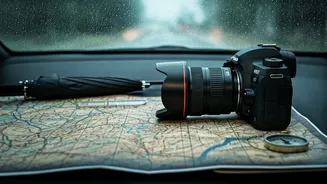
When the weather is clear, you can take the scenic route without a second thought. In heavy rain, that winding mountain pass or low-lying coastal road can become hazardous. Before you leave, use a tool like Google Maps or Waze to plan your primary route and then immediately look for a safer alternative. Your backup route should prioritize major highways and roads that are less susceptible to flash flooding or mudslides. Download offline maps for both routes. If you lose cell service in a storm—a common occurrence in rural areas—you won’t be left guessing. A physical road atlas in the glove compartment is an excellent, battery-free failsafe.
Conduct a Pre-Trip Vehicle Check
Your car is your shelter on a rainy road trip, so make sure it’s up to the task. This doesn’t require a full mechanical inspection, just a few key checks. First, your tires. Ensure they have adequate tread by using the penny test (if you can see all of Lincoln's head, your treads are too worn) and are properly inflated. Good tread is essential for gripping wet roads and preventing hydroplaning. Second, your wiper blades. If they streak, squeak, or leave patches of water, replace them. Visibility is your best defense in a storm. Finally, walk around your car and check that all your lights—headlights, taillights, and turn signals—are working. They help you see and, just as importantly, help other drivers see you.
Assemble a 'Rainy Day' Go-Bag
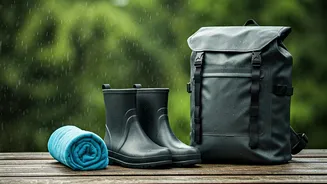
Getting soaked is miserable, but staying soaked is worse. Pack a small, easily accessible bag specifically for dealing with the rain. This isn't your main suitcase; it’s your in-car emergency kit. Include a high-quality waterproof jacket for each person, not just a flimsy poncho. Add a spare pair of socks and shoes for everyone—nothing ruins a day faster than squelchy feet. A few quick-dry microfiber towels are invaluable for drying off yourself, your gear, or a foggy windshield. And, of course, a sturdy, wind-resistant umbrella. Keeping these items separate from your luggage means you can grab them instantly when the skies open up, rather than digging through a suitcase in the trunk.
Build a 'Plan B' Itinerary
A rainy forecast doesn't mean you have to be stuck in your hotel room. The best way to beat the rain is to have a list of compelling indoor activities ready to go. Before your trip, do some research for weatherproof fun along your route. Look for quirky local museums, cozy independent bookstores, historic movie theaters, or charming cafes known for their hot chocolate. Maybe there’s an antique mall, a bowling alley, or a local craft brewery with a welcoming taproom. Having a pre-vetted list of three or four indoor options gives you flexibility and turns a potential washout into a planned detour, making you feel like a savvy traveler instead of a victim of bad weather.