

The Search for Comfort and Softness
The first part of the answer is sensory. In a world that often feels harsh and uncertain, our homes have become sanctuaries more than ever before. This has fueled a powerful desire for spaces that feel calming and protective. Enter soft-touch finishes.
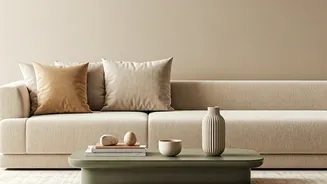
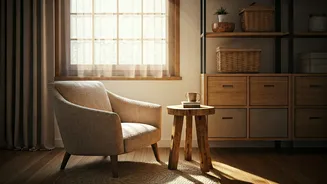
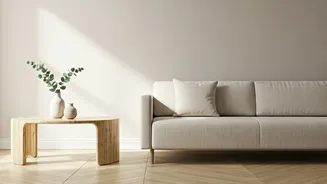
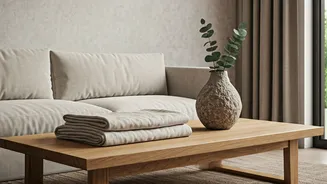
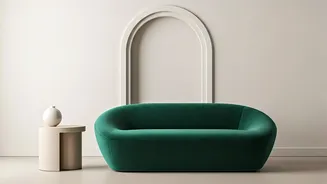
Materials like limewash, Roman clay, and Venetian plaster have surged in popularity because they offer a visual and tactile softness that flat, sterile paint simply can't match. These finishes, often applied by hand, have a subtle, cloud-like variation in texture and color that absorbs light rather than reflecting it harshly. The result is a room that feels like it’s giving you a gentle hug. It’s a move away from the cold, sharp minimalism of the 2010s and toward something more human and forgiving. This trend also includes the fabrics we choose, with nubby bouclé, plush velvets, and raw linens covering everything from sofas to accent chairs, further enhancing this cocooning effect.
A Nod to History and Stability
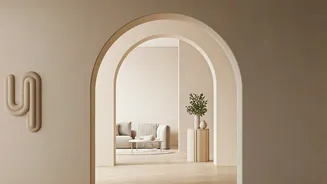
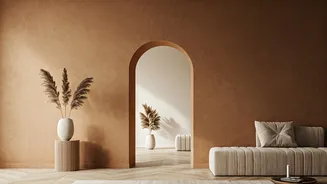
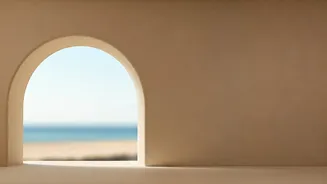
While soft finishes appeal to our sense of touch, the arch appeals to our sense of time. The arch is one of the oldest and most enduring forms in architecture, evoking everything from Roman aqueducts to the windows of Spanish missions and the grandeur of Romanesque cathedrals. Incorporating an arch—whether as a doorway, a window, a built-in shelf, or even a simple painted motif—taps into a deep-seated appreciation for history, permanence, and grace. In a fast-paced, disposable culture, the arch feels solid and timeless. It breaks up the monotony of straight lines and right angles that define most modern construction, introducing an element of organic, flowing elegance. This curve feels both classic and surprisingly modern, grounding a space with a sense of structural integrity and historical weight that feels reassuring.
Perfectly Framed for the Instagram Grid
We can’t discuss a dominant visual trend without talking about social media. Both soft textures and arched forms are incredibly photogenic, making them ideal for platforms like Instagram and Pinterest. The matte, chalky quality of a limewashed wall creates a perfect, non-glare backdrop that makes furniture and people look great. The subtle shadows and depth it creates add a layer of sophistication to any photograph. Arches, meanwhile, are a natural framing device. An arched doorway perfectly frames the room beyond it, creating a compelling, layered composition. An arched mirror or cabinet becomes an instant focal point. This visual magnetism is a self-perpetuating engine: the more these elements appear on our feeds, the more desirable they become, prompting homeowners, designers, and builders to incorporate them into new projects, which then get shared online, continuing the cycle.
The Rise of Organic Modern
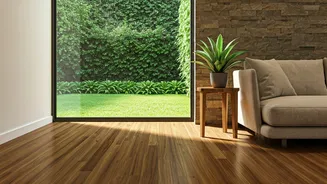
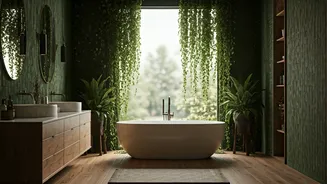
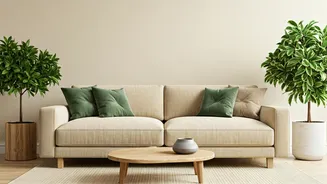
Ultimately, these two elements are star players in a larger design movement often called “Organic Modern.” This aesthetic seeks to blend the clean lines and simplicity of modernism with the warmth, texture, and natural forms of the organic world. It’s a rejection of extremes—neither coldly minimalist nor rustically cluttered. Instead, it finds a harmonious middle ground. Soft-touch finishes bring the natural, earthen texture, while arches introduce a gentle, biophilic curve that mimics forms found in nature. Paired with other hallmarks of the style—like natural wood tones, muted earth-tone palettes, and an abundance of houseplants—they create spaces that feel both sophisticated and serene. It’s a style that prioritizes feeling and atmosphere as much as it does appearance, aiming for a home that is not just beautiful to look at but deeply comforting to live in.