



The Rise of the Resilient Garden
Across the United States, summer gardens can feel like a battleground. Searing heat, relentless humidity, and sudden downpours can leave many traditional plants looking stressed and wilted. But savvy gardeners are shifting their strategy from fighting
the climate to working with it. This has sparked a growing interest in plants that don't just survive but actively flourish in what could be called 'monsoon-like' conditions—hot, wet, and steamy. It’s a move toward climate-smart gardening that values resilience as much as beauty. This approach prioritizes tough, productive, and often edible plants that turn a challenging season into a time of abundance. At the forefront of this movement are two tropical powerhouses: turmeric and hibiscus, which offer both ornamental appeal and culinary rewards.
Turmeric: The Golden Spice in Your Yard
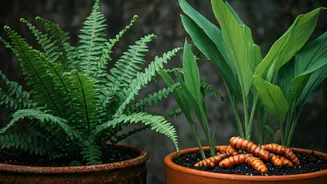
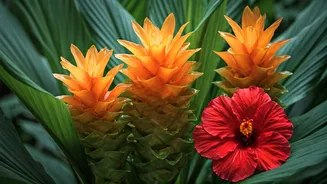
When you think of turmeric, you probably picture the golden powder in your spice rack. But the plant itself, *Curcuma longa*, is a stunning ornamental with lush, wide leaves that look like they belong in a tropical jungle. It’s this tropical heritage that makes it a perfect candidate for a hot, humid summer garden. Turmeric loves warmth and consistent moisture, thriving in the very conditions that cause other plants to struggle with fungal diseases. To grow it, you don't need seeds; you need a fresh rhizome, similar to a piece of ginger. You can often find these at Asian markets or order them online from garden suppliers. Plant the rhizome about two inches deep in rich, well-draining soil in a spot that gets full sun to partial afternoon shade. Keep the soil consistently moist but not waterlogged, and watch as elegant green shoots emerge, growing into a plant that can reach three feet tall.
Harvesting and Using Your Turmeric
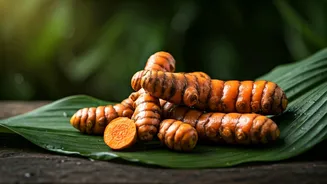
The real magic of growing turmeric happens below the surface. After about 8 to 10 months of growth, the leaves will begin to yellow and dry out—a sign that the rhizomes are ready for harvest. This typically happens in the fall. You can carefully dig up the entire plant to reveal a clump of vibrant, orange-fleshed rhizomes. To use them, simply break off a piece, wash it, and peel it. Fresh turmeric has a brighter, more complex flavor than its dried counterpart. Grate it into curries, stir-fries, and soups, or blend it into smoothies for a healthy, anti-inflammatory boost. You can also make a refreshing tea by simmering slices of the fresh rhizome in water. Be sure to save a few healthy-looking rhizomes with visible buds to plant for next year’s crop.
Hibiscus: More Than a Pretty Flower
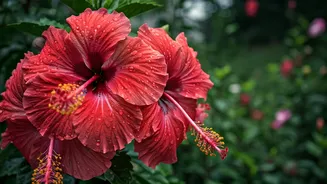
Hibiscus is synonymous with tropical paradise, and its huge, showy flowers are a familiar sight in warm climates. While the classic tropical hibiscus (*Hibiscus rosa-sinensis*) is a fantastic choice for pure ornamental beauty in summer pots, the real star of the edible garden is *Hibiscus sabdariffa*, often called roselle. This variety is grown not for its flowers, but for the fleshy, red calyces (the pods that form after the flower fades) that are used to make the famous ruby-red hibiscus tea. Like turmeric, roselle loves heat and sun. It’s an annual in most U.S. climates, growing quickly from seed into a large, bushy plant. Plant seeds after the last frost in a sunny location with well-drained soil. It's remarkably drought-tolerant once established but appreciates consistent water during its main growing season.
Brewing Beauty from Your Garden
The roselle harvest begins in late summer or early fall, as the plant produces a steady supply of flowers. A day or two after a flower blooms and wilts, the bright red, fleshy calyx surrounding the seed pod will be plump and ready to pick. Simply snap them off the plant. To use them, separate the red calyces from the green seed pod inside. These calyces can be used fresh or dried for later use. To make the classic tangy tea, simply steep a handful of fresh or dried calyces in hot water for a few minutes. The resulting infusion has a tart, cranberry-like flavor and is packed with Vitamin C. It’s delicious hot or iced, sweetened with a bit of honey. The calyces can also be used to make jams, jellies, and syrups, adding a unique and delicious dimension to your homegrown harvest.