





The New Rules of Trip Planning
Forget spinning a globe. For a growing number of American travelers, the first question isn't ‘Where should we go?’ but ‘Where should we stay?’ This is the essence of the ‘destination later’ or ‘hotel-first’ trend. It’s a mindset where the accommodation
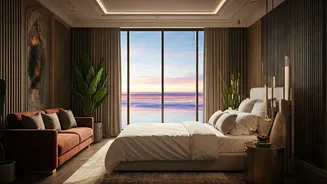
isn't just a place to sleep—it’s the main event. Travelers are falling in love with a specific hotel’s design, a resort’s unique wellness program, or a lodge’s promise of secluded bliss. They book the room, and only then do they start looking at what the surrounding area has to offer. In this model, the hotel becomes the anchor, and the destination is almost an afterthought, a happy bonus to an already guaranteed experience. It fundamentally reframes the vacation from an act of exploration to an act of indulgence and curated comfort.
The Hotel as the Main Character
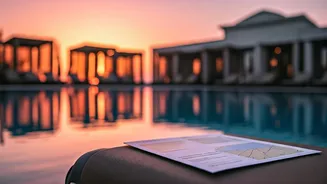
So, what’s driving this shift? In a word: experience. We've moved into an era where hotels are no longer just functional bases for sightseeing. They are immersive worlds unto themselves. Think of properties with Michelin-starred restaurants, world-class spas, private plunge pools in every villa, or architecture so stunning it’s a work of art. Social media has amplified this, turning visually striking hotels into viral stars. A single, jaw-dropping TikTok video of a glass-bottomed bungalow or an Instagram shot of a rooftop infinity pool can spark thousands of travel plans. People see these hyper-specific, beautifully rendered experiences and decide, ‘I want *that*.’ The hotel is no longer an amenity; it's the attraction. This is especially true for travelers seeking to decompress and escape the mental load of a packed itinerary. The appeal is simple: show up, and the perfect vacation is already waiting for you, all within the property line.
From Burnout to Bliss
This trend also speaks to a wider cultural exhaustion with decision-making. After years of navigating complex travel restrictions and the general stress of modern life, the idea of a simplified vacation is incredibly appealing. Planning a multi-stop, activity-filled trip can feel like a second job. The hotel-first approach offers a liberating alternative. By choosing a resort or hotel that provides everything you need for relaxation and entertainment on-site, you eliminate dozens of smaller decisions. There's no need to research the best restaurants, coordinate transportation between sights, or worry about filling every moment. This is the new definition of an all-inclusive trip, where it's not just about meals and drinks being covered, but the mental energy of planning, too. It’s a direct response to travel burnout, allowing people to truly unplug by outsourcing the entire vacation experience to a single, trusted property.
Discovering 'Destination Dupes'
An interesting side effect of this trend is the rise of the ‘destination dupe.’ A traveler might be captivated by a hotel they saw online, only to find it's located in a lesser-known region—a place they never would have considered otherwise. For instance, instead of battling the crowds in Tuscany, someone might book a stunning agri-tourism hotel in a quieter, more affordable part of Portugal. Or they might find a desert oasis resort in Utah that rivals the vibe of a more expensive trip to Morocco. This allows travelers to get the aesthetic and experience they crave without the high price tag or over-tourism associated with marquee destinations. It’s a win for the traveler, who discovers a new favorite spot, and a win for the destination, which benefits from tourism that is more dispersed and sustainable.