




The Science of Not-So-Soggy
Before you can appreciate the magic, it helps to understand the ‘why.’ Traditional fabrics, especially cotton, act like a sponge. They absorb a tremendous amount of moisture—from rain, humidity, or your own sweat—and hold onto it for dear life. This not
only makes them heavy and uncomfortable but also slow to dry, leading to musty smells and a perpetually damp suitcase. Quick-dry clothing, on the other hand, is built on the principle of ‘wicking.’ Materials like polyester, nylon, and merino wool have fibers that don't absorb water. Instead, they pull moisture away from your skin and push it to the fabric's surface where it can evaporate quickly. The result? A shirt that can go from soaked to dry in under an hour in the right conditions, rather than a full day.
Your Core: The Unbeatable Base Layer
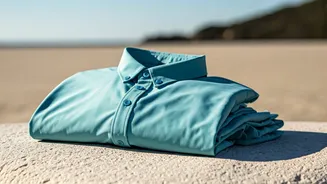
The revolution starts with what’s closest to your skin. A quick-dry t-shirt or long-sleeve base layer is the foundation of a comfortable travel outfit. For years, the debate has raged between synthetics (polyester/nylon) and merino wool. Synthetics are durable, exceptionally fast-drying, and often more affordable. Their main downside is a tendency to hold onto odor over time, though many modern versions include anti-microbial treatments.
Merino wool, a natural fiber, is the darling of the travel world for a reason. It’s highly breathable, regulates temperature well in both heat and cold, and is naturally odor-resistant, meaning you can wear a merino shirt for days without it smelling. While it doesn't dry quite as instantly as pure polyester, it stays warm even when wet, a huge advantage in a sudden downpour. For most travelers, a blend of a few synthetic tees and one or two merino staples offers the best of both worlds.
The Workhorse: Pants That Do It All
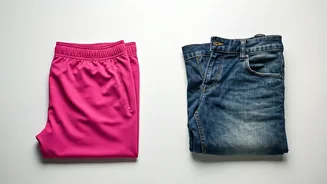
Jeans are a traveler’s worst enemy in the rain. They’re heavy, bulky, and can take days to dry. Enter the modern travel pant. Typically made from a stretchy, durable nylon or polyester blend, these pants shed light rain, dry in a flash after a soaking, and often pack down to the size of a fist. Many come with features designed for the road: zippered security pockets, articulated knees for easy movement, and a comfortable, breathable fit.
For maximum utility, look for convertible pants that zip off into shorts. While they may not win any high-fashion awards, their practicality is undeniable. One pair of pants can serve you on a cool, rainy morning in the city and a hot, humid afternoon hike. They are the ultimate expression of packing light and being prepared for anything.
An Underrated Game-Changer: Socks
Happy feet make a happy traveler, and nothing makes feet more miserable than being damp. Cotton socks are a blister-inducing nightmare in wet weather. Once they’re wet, they stay wet, losing all cushioning and creating friction.
Switching to wool or synthetic hiking socks is one of the single best upgrades you can make. Like a good base layer, they wick moisture away from your skin, keeping your feet drier and more comfortable even inside a damp shoe. They also retain their loft and cushioning when wet, protecting you from blisters. Because they dry so quickly, you can pack fewer pairs; just rinse them in the sink at night, and they’ll often be ready to go by morning.
Beyond the Basics: Underwear and Outerwear
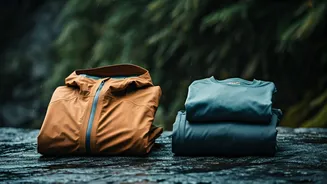
The principles of quick-dry performance extend to every layer. Quick-dry underwear (again, think merino or synthetics) takes up almost no space, adds a surprising amount of comfort, and is incredibly easy to wash on the go. Similarly, a reliable, packable rain jacket is a non-negotiable part of the system. Look for one that’s waterproof but also breathable. A non-breathable jacket will just trap your sweat, leaving you soaked from the inside out.
The beauty of this system is how all the pieces work together. A wicking base layer pulls sweat away, while the breathable rain jacket lets that moisture escape, keeping you from feeling clammy and confined, even when you’re zipped up against a storm.