




The New Weekend Ritual
On a Saturday morning in South Delhi’s Hauz Khas Village, the scene could be mistaken for Los Angeles or London. Young professionals in Lululemon and Nike gear sip on turmeric lattes after a high-intensity interval training session. Conversations revolve
around marathon training schedules, the benefits of almond milk, and which new studio has the most inspiring yoga instructor. This is the new face of urban Indian aspiration. Just a decade ago, a weekend splurge might have meant a heavy, butter-laden Mughlai feast. Today, for a fast-growing segment of the population, it’s a trip to a farmers’ market for organic kale and a session at a gym with a monthly fee that exceeds the average rural income. This isn't a fringe movement; it's a visible and influential cultural shift, redefining social status in one of the world's most populous and chaotic cities.
From Butter Chicken to Quinoa Bowls
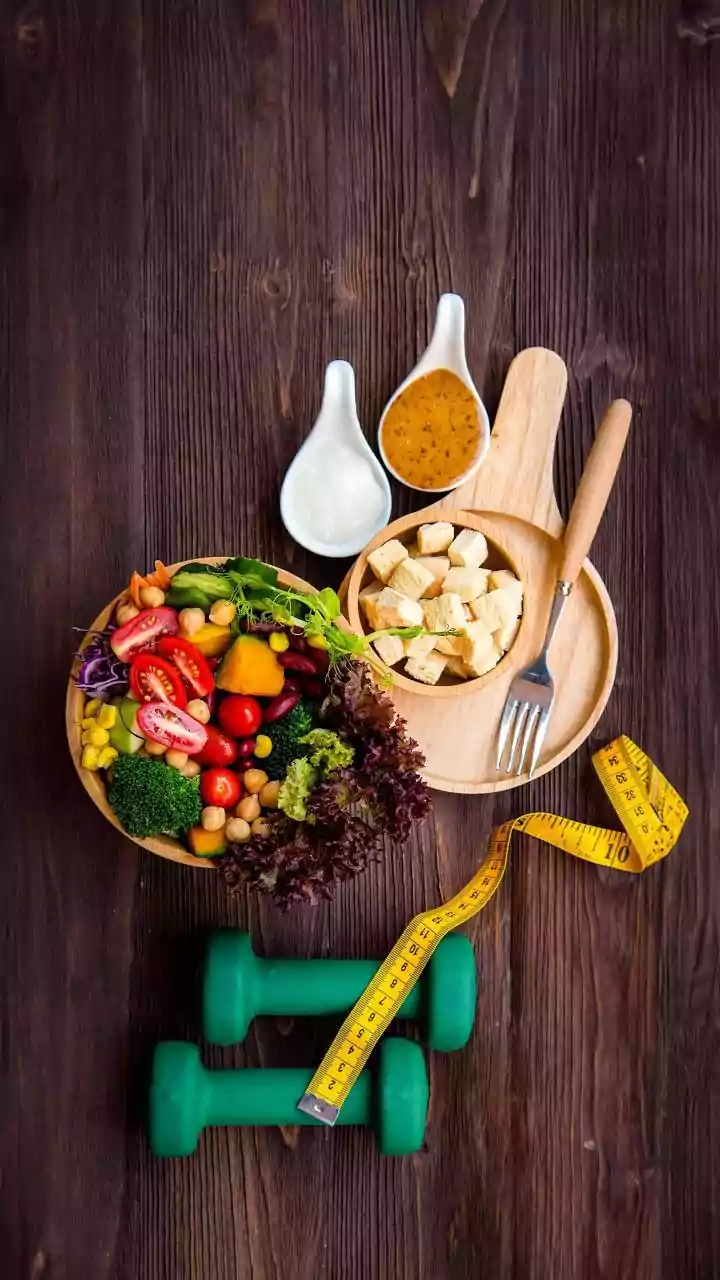
The dietary transformation is perhaps the most telling sign. Delhi has long been a paradise for food lovers, celebrated for its rich, complex street food and decadent restaurant curries. While that tradition remains vibrant, it now shares the stage with a new culinary philosophy. Chic cafes with minimalist decor are popping up across the city, their menus boasting avocado toast, smoothie bowls, and salads dotted with exotic seeds. Supermarket aisles that once focused on lentils and rice now feature prominent displays of quinoa, gluten-free flour, and imported olive oil. This isn’t just about health; it’s about signaling a global identity. Eating ‘clean’ has become a status symbol, a way for India’s upwardly mobile class to align themselves with international wellness trends they follow avidly on Instagram. The change reflects a deeper psychological shift from a mindset of abundance to one of curated well-being.
What’s Driving the Wellness Boom?
Several powerful forces are fueling this green revolution. The most significant is economic: India's expanding middle and upper-middle classes have more disposable income than ever before. With basic needs met, they are investing in lifestyle improvements, and health is a top priority. Second is a growing awareness of the costs of modern urban life. Delhi is notorious for its hazardous air pollution and stressful, traffic-clogged environment. For many, investing in fitness and clean eating is a defensive, proactive measure—an attempt to reclaim control over their health in a challenging environment. Finally, global exposure through social media and travel has accelerated the trend. Wellness influencers, both international and domestic, have created a powerful aspirational blueprint for a healthier, more aesthetically pleasing life, and millions are eager to follow.
Old Traditions, New Packaging
While the aesthetic may seem borrowed from the West, the foundation of this wellness boom is deeply Indian. Yoga, of course, is India's most famous cultural export, and its resurgence at home is a key part of the story. But it’s a modernized, commercialized version of yoga, practiced in sleek, air-conditioned studios rather than traditional ashrams. Similarly, Ayurveda, the ancient Indian system of medicine, is being rebranded for a new generation. Its principles are being integrated into everything from spa treatments to packaged foods and skincare lines. This fusion of ancient wisdom and modern marketing is potent. It allows this new wellness culture to feel both authentically Indian and globally current, creating a powerful narrative of a nation reclaiming its heritage on its own modern terms.