
From #BeastMode to Bedtime
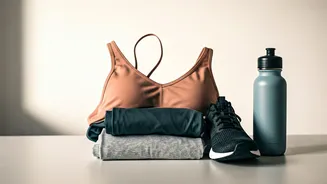
Remember when fitness culture was dominated by the ethos of 'go hard or go home'? The 2010s were the era of high-intensity interval training (HIIT), punishing CrossFit WODs (Workout of the Day), and the 'no days off' mantra. Social media feeds were filled
with images of exhaustion, grit, and pushing physical limits. The ability to endure pain was a badge of honor, a public declaration of discipline and strength. To flex was to show how much you could punish your body in the pursuit of results. But a quiet revolution has been brewing, one that trades the clang of dropped barbells for the gentle hum of a white noise machine.
The Rise of The Quantified Self
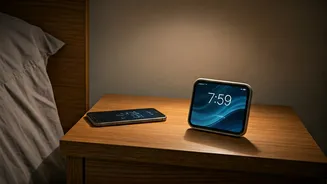
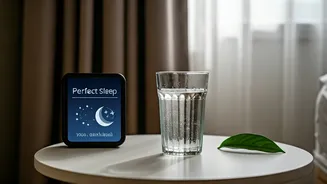
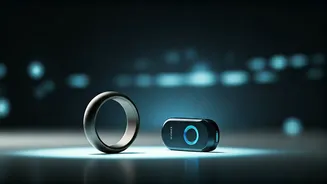
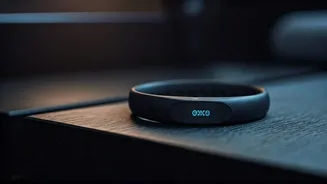
A key driver of this shift is technology. What was once invisible and personal—a good night's rest—is now a quantifiable, shareable metric. Wearable tech like the Oura Ring and Whoop strap have gamified sleep. These devices track sleep stages (light, deep, REM), recovery scores, and respiratory rates, generating daily reports that look like something out of a NASA lab. Suddenly, people aren't just saying they're 'well-rested'; they're posting screenshots of their 95% sleep efficiency score. This data transforms a passive state of being into an active achievement. It makes rest a project, something to be optimized and, yes, flexed. It’s a status symbol that signals not just discipline, but a sophisticated, science-backed approach to well-being.
Hydration Gets a High-Fashion Makeover
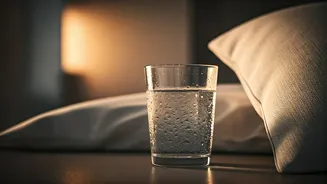
At the same time, drinking water has evolved from a basic biological necessity into a full-blown lifestyle aesthetic. The viral phenomenon of the Stanley cup is the most visible example, turning a 40-ounce insulated tumbler into a must-have accessory that sells out in minutes. But it goes deeper. On platforms like TikTok, the #WaterTok trend sees creators concocting elaborate, sugar-free 'water recipes' with flavor powders and syrups, transforming hydration into a creative ritual. Carrying a specific water bottle or curating your daily drink isn't just about staying hydrated; it's a statement. It says you are intentional, you are mindful, and you are invested in your health from the inside out. It's a low-effort, high-visibility way to signal that you have your life together.
A Backlash to Burnout Culture
So why is this happening now? Many see it as a direct response to the pervasive 'hustle culture' that defined the last decade. The relentless push for productivity at all costs left many feeling burned out, anxious, and disconnected from their own bodies. The pandemic amplified this, blurring the lines between work and rest and forcing a collective re-evaluation of what truly constitutes a healthy life. The new focus on sleep and hydration represents a pendulum swing toward foundational care. It's a rejection of the idea that wellness must be earned through suffering. Instead, it promotes a gentler, more sustainable model where recovery is just as important—if not more so—than the workout itself. It’s a shift from punishing the body to nurturing it.
The Smartest Flex of All
Beyond the trends and the tech, this shift is grounded in solid science. We now have mainstream awareness that adequate sleep is crucial for everything from cognitive function and emotional regulation to immune support and muscle repair. Proper hydration impacts energy levels, skin health, and athletic performance. Prioritizing these fundamentals isn't just a fad; it's arguably the most efficient way to improve your overall quality of life. In a world saturated with complex bio-hacks and expensive wellness fads, the turn toward sleep and water is a return to basics. It’s a recognition that the foundation of true fitness isn’t built in a grueling hour at the gym, but in the other 23 hours of the day.