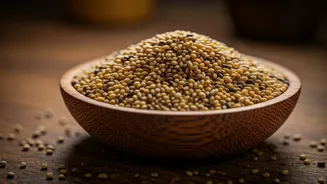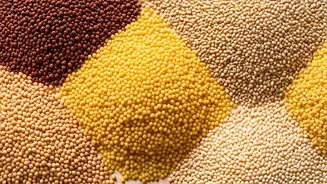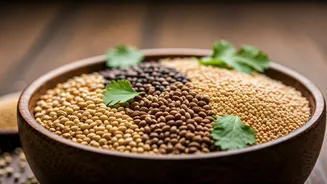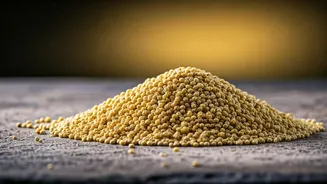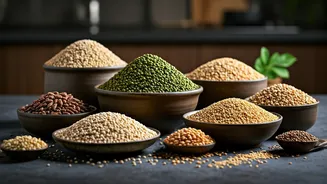



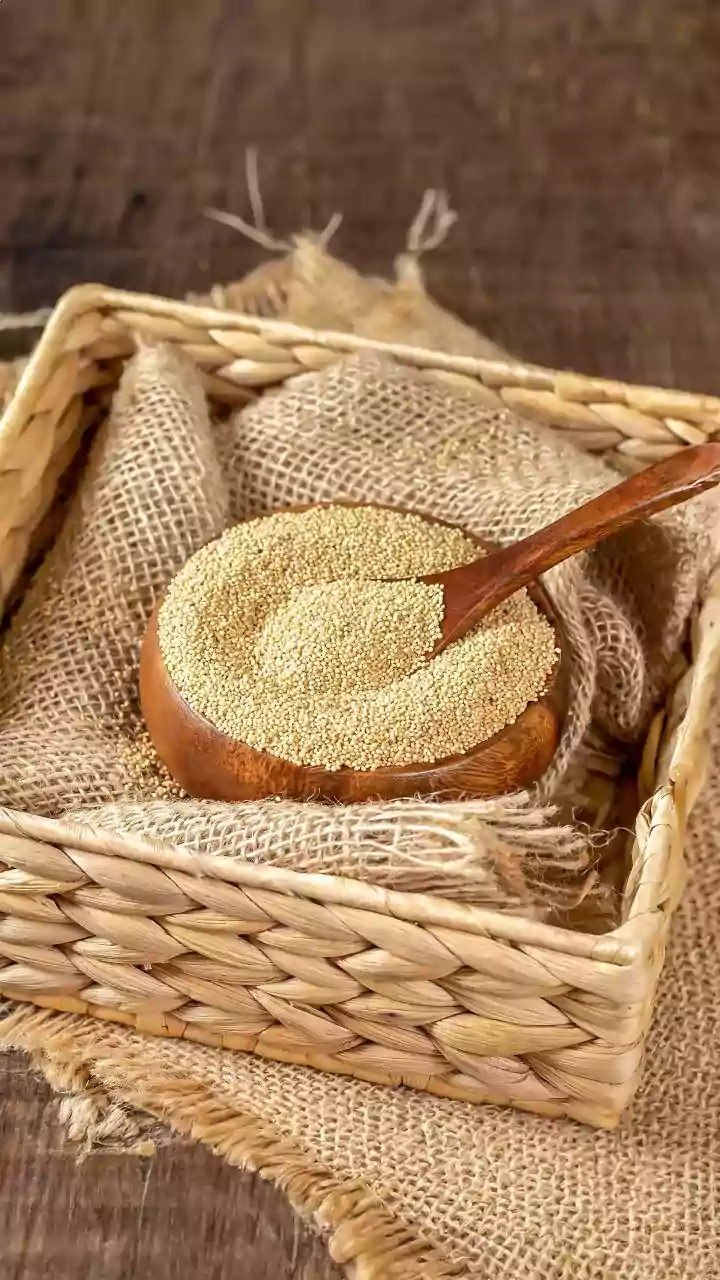
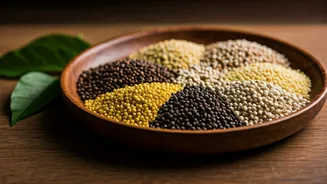
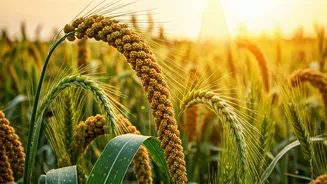

First, What Are Millets?
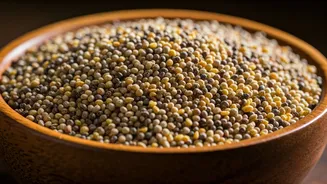
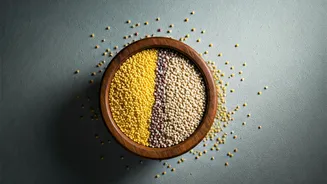
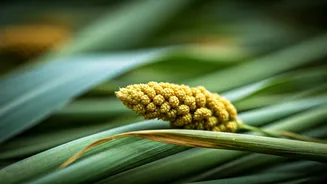
Before they were cool, they were just food. Millets aren’t a single grain but a family of small-seeded grasses that have been cultivated for thousands of years. Think of them as the hardy, resourceful cousins of the grain world. You might have heard of sorghum,
but the group also includes pearl millet (bajra), finger millet (ragi), and foxtail millet. For Americans familiar with the rise of quinoa, farro, and freekeh, millets fit right into the “ancient grains” category. They are nutrient-dense, packed with protein, fiber, and micronutrients, and naturally gluten-free. For centuries, they were a staple food across vast swathes of India and Africa, forming the base of flatbreads, porridges, and fermented drinks.
The Grains That Got Left Behind
So if millets are so great, why did they disappear? The answer lies in the Green Revolution of the 1960s and '70s. In a push to ensure food security for a booming population, the Indian government heavily subsidized and promoted high-yield crops like wheat and rice. They were easier to process, offered bigger harvests (with enough water and fertilizer), and were seen as the key to a modern, food-sufficient nation. Millets, by contrast, became stigmatized. They were dismissed as “coarse grains” or “poor people’s food,” the stuff your grandparents ate in the village before moving to the city. As government policies favored the big two grains, the agricultural ecosystem, supply chains, and consumer tastes all shifted, pushing millets to the margins.
A Generational and Culinary Reboot
Today, that stigma is evaporating, thanks largely to young, urban Indians. This generation is looking at millets through a completely different lens. For them, it’s not about poverty; it’s about wellness, sustainability, and cultural identity. The wellness boom has made them hyper-aware of what they eat, and millets—with their low glycemic index and high nutrient profile—are a perfect fit for modern health-conscious diets. Furthermore, in a world grappling with climate change, the agricultural appeal is undeniable. Millets are “climate-smart” crops; they require significantly less water than rice and can thrive in arid conditions, making them a sustainable choice for a water-stressed future. This combination of health and environmental benefits has made millets a symbol of conscious consumption.
From Porridge to Craft Beer
This isn't your grandmother’s millet porridge. The revival is being driven by innovation. In cities like Bangalore, Mumbai, and Delhi, trendy cafes serve up photogenic millet bowls, ragi-based pancakes, and millet-flour pizzas. Startups are flooding the market with packaged goods like millet pasta, cookies, breakfast cereals, and even craft beer brewed from finger millet. Chefs at high-end restaurants are reinterpreting traditional recipes, using millets to add texture and a uniquely Indian flavor to gourmet dishes. The Indian government has thrown its weight behind the movement, successfully campaigning for the UN to declare 2023 the “International Year of Millets,” giving the grains a global stage and a powerful seal of approval. This top-down push has amplified the grassroots energy, creating a perfect storm for a full-blown millet renaissance.
Could Millets Be Next on Your Plate?
Global food trends often follow a similar path, and the millet story in India has all the ingredients for international success. American consumers are already primed to accept the next big ancient grain. The demand for plant-based, gluten-free, and sustainably sourced foods has never been higher. Just as quinoa traveled from the Andes to become a staple in American pantries, millets could easily follow from the Indian subcontinent. As startups innovate and supply chains strengthen, it’s increasingly likely you’ll see millet flour in the baking aisle next to almond and coconut, or find sorghum in your favorite healthy snack bar. The revival in India is not just a local trend; it's a preview of a more diverse and climate-resilient global plate.