



More Than Just Crowds
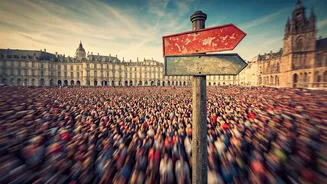
The term “overtourism” has been floating around for years, but it’s often misunderstood as simply too many people in one place. The reality is far more complex. For locals in hotspots from Barcelona to Honolulu, it means skyrocketing rents, strained public
services like sanitation and transport, and the hollowing out of authentic neighborhood culture in favor of souvenir shops and tourist-trap restaurants. The very character that made a place desirable begins to erode under the weight of its own appeal. This isn't just a big-city problem. Fragile ecosystems in national parks are trampled, and historic sites suffer from the wear and tear of millions of visitors. The post-pandemic travel boom, fueled by pent-up demand and “revenge travel,” has accelerated this trend, pushing many destinations past their breaking point. The endless growth model of tourism—more flights, more hotels, more visitors—is proving to be unsustainable, and the bill is finally coming due.
The Pushback: How Destinations Are Saying 'Enough'
The “reality check” in the headline isn’t just a figure of speech; it’s a series of concrete policies. For the first time, many destinations are actively trying to limit tourism rather than court it. Venice, the poster child for overtourism, has implemented a daily fee for day-trippers on peak days to manage the overwhelming crowds. Amsterdam has taken a firm stance, banning new hotel construction, cracking down on short-term rentals, and rerouting cruise ships away from its city center. In the U.S., the problem is most visible in the great outdoors. National Parks like Arches and Glacier have abandoned the old first-come, first-served model in favor of timed-entry reservation systems, requiring visitors to plan weeks or months in advance for a chance to drive through the main gates. In Japan, officials in the Mount Fuji region are installing a large screen to block a popular photo spot that was attracting unruly crowds. These measures, while sometimes frustrating for travelers, are desperate attempts to preserve both the visitor experience and the destinations themselves.
Travelers Are Hitting a Wall, Too
It’s not just residents and officials who are fed up. The quality of the travel experience is plummeting in these over-loved locales. Paying thousands of dollars to spend most of your vacation waiting in line, navigating impenetrable crowds, and struggling to get a dinner reservation is a poor return on investment. The magic is gone, replaced by logistical exhaustion. This frustration is fueling a change in traveler behavior. Social media, once a driver of overtourism with its geotagged shots of picture-perfect spots, is now seeing a rise in trends like “destination dupes.” Travelers are actively seeking out alternatives—think Bologna instead of Florence, or Portugal’s Alentejo region instead of the Algarve. The desire for a more authentic, less stressful experience is pushing people off the beaten path. The search for the undiscovered is becoming more appealing than the quest to check a famous landmark off a list.
The Dawn of Intentional Travel
This new reality doesn't mean you have to give up your travel dreams. It means you have to be smarter and more intentional about them. The era of spontaneous, cheap-flight-driven trips to the world's top 10 cities may be winding down, replaced by a more thoughtful approach. This can mean visiting popular places during the “shoulder seasons” (spring and fall) when crowds are thinner and prices are lower. It means choosing to stay longer in one place to contribute more meaningfully to the local economy, rather than parachuting in for a day trip. It means exploring second-tier cities that offer incredible culture, food, and history without the chaos. And most importantly, it means seeing yourself not just as a consumer of a destination, but as a temporary guest in someone else’s home, with the responsibilities that entails.