



The Comfort Food Comeback
Not long ago, the height of culinary aspiration was a dish you couldn't easily make at home: intricate, multi-component restaurant creations or exotic ingredients sourced from across the globe. Today, the pendulum is swinging back with force. The most
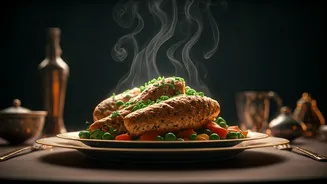
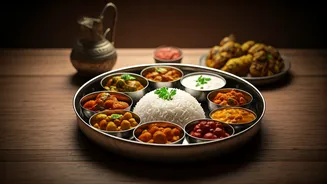
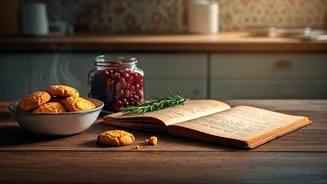
talked-about foods aren't sous-vide or foam-covered; they’re the ones that echo from our past. Think bubbling casseroles in Pyrex dishes, slow-simmered pot roasts, simple sheet-pan suppers, and classic desserts like banana bread or chocolate chip cookies made from a family recipe. This isn't about a lack of ambition. It's a deliberate turn toward what food critics and home cooks alike are recognizing as a powerful culinary movement: the elevation of comfort. We're trading complexity for connection, chasing the flavor of a memory rather than the novelty of a new technique.
A Recipe for Uncertain Times
So, why now? The answer lies less on our plates and more in the world around us. After years of pandemic-induced isolation, economic anxiety, and a relentless, often overwhelming news cycle, we are collectively craving stability. Nostalgia acts as an emotional security blanket, and food is its most tangible expression. Cooking a dish from childhood gives us a rare sense of control and predictability. We know how it will smell, how it will taste, and how it will make us feel. This psychological anchor is incredibly valuable when everything else feels adrift. In a 2020 study, 70% of Americans reported cooking more at home, a habit that unlocked a door back to these foundational foods. What began as a necessity of lockdown has blossomed into a full-blown cultural preference for the soothing, the dependable, and the known.
From Grandma’s Kitchen to TikTok
This trend isn't just happening in private kitchens; it's playing out for millions on social media. Platforms like TikTok and Instagram are flooded with a new kind of food influencer, one who celebrates imperfection and authenticity over polished perfection. The #GrandmaCore aesthetic, featuring vintage CorningWare and cross-stitched tablecloths, has gone mainstream. Young creators are unearthing their grandparents' handwritten recipe cards, reviving Jell-O salads with a wink of irony, and sharing videos of themselves making simple, hearty stews. This digital embrace is crucial. It’s not just about looking backward; it's about a new generation discovering these traditions for themselves, reinterpreting them, and validating the idea that the most satisfying meals are often the simplest ones. It proves that nostalgia isn't just for those who lived it the first time around—it can be adopted, shared, and made new again.
More Than Just a Meal
Ultimately, the resurgence of home food is about more than just what we're eating. It’s about how we want to live. It signals a shift away from performative dining and toward communal gathering. The return of the dinner party and the potluck are testaments to this. The goal isn't to impress guests with a five-star meal, but to welcome them into a warm, comfortable space and share something nourishing. The food is the medium, but the message is connection. It’s about the conversations that happen over a shared lasagna or the simple joy of watching friends go back for a second slice of homemade apple pie. In this context, the food doesn't have to be trendy; it has to be generous. It's a reminder that sometimes the most profound statements are made with the simplest of ingredients.