

1. It’s an Eco-Friendly Powerhouse
Let’s start with the headliner: sustainability. Unlike traditional hardwood trees that can take 30-60 years to mature, bamboo is technically a grass that regenerates at an astonishing rate. Some species can grow several feet in a single day, reaching
full maturity in just three to five years. This rapid growth cycle means it can be harvested without causing deforestation. When managed responsibly, bamboo forests are self-replenishing, sequestering carbon more efficiently than many tree species. For homeowners looking to reduce their environmental footprint, choosing bamboo over slow-growth hardwoods is one of the most impactful decisions you can make during a renovation. It delivers the warm, natural look of wood without the ecological guilt.
2. The Durability Might Surprise You
Early versions of bamboo flooring gave it a reputation for being soft and easily damaged, but modern manufacturing has changed the game completely. The key is to look for strand-woven bamboo. In this process, bamboo fibers are shredded, mixed with an adhesive resin, and compressed under extreme heat and pressure. The resulting material is incredibly dense and hard—often two to three times harder than oak, a traditional standard for durable flooring. Measured on the Janka hardness scale, which rates a wood’s resistance to denting, high-quality strand-woven bamboo regularly outperforms popular choices like maple, hickory, and Brazilian cherry. This makes it an excellent option for high-traffic areas, kids’ playrooms, and homes with pets.
3. It Offers Clean, Modern Style
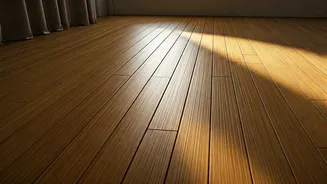
Forget the dated, pale-yellow look you might associate with bamboo from decades past. Today's bamboo flooring comes in a sophisticated and versatile range of colors, finishes, and plank widths that can complement any design aesthetic, from minimalist modern to rustic farmhouse. You can find it in natural blonde tones, rich carbonized browns that resemble caramel, and even trendy gray washes and dark espressos. It can be finished with a smooth, glossy surface for a sleek look or hand-scraped for more texture and character. This aesthetic flexibility allows it to compete directly with high-end hardwoods while often providing a cleaner, more uniform grain that many contemporary designers prefer.
4. It Can Be Healthier for Your Home
Indoor air quality is a growing concern for many families. Unlike carpets that trap dust, pollen, pet dander, and other allergens, bamboo provides a hard, smooth surface that’s easy to clean and doesn't harbor irritants. But the real advantage comes from choosing a reputable manufacturer. High-quality bamboo flooring is made with ultra-low-VOC (volatile organic compound) or zero-VOC adhesives and finishes. This is crucial, as cheap flooring can off-gas formaldehyde and other harmful chemicals into your home for years. By investing in a product with certifications like FloorScore, you ensure that your beautiful new floors aren’t compromising the air you breathe.
5. The Not-So-Fine Print
While the benefits are compelling, bamboo isn't foolproof. Its primary vulnerability is moisture. Like many hardwood floors, it can warp or swell in excessively humid environments or from standing water, making it a risky choice for bathrooms or basements without proper sealing and climate control. Quality is also paramount. The market is flooded with cheap bamboo products that cut corners on manufacturing, using formaldehyde-based adhesives and harvesting immature bamboo stalks, which results in a softer, less durable product. To get the benefits listed above, you have to be a savvy shopper. Look for established brands, ask about the Janka hardness rating, and always check for low-VOC certifications.