



The Journey Is the Destination
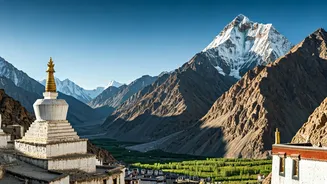
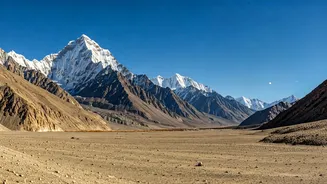
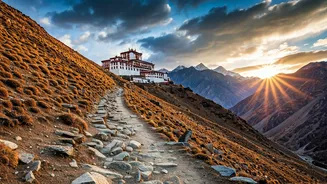
Imagine trekking at 12,000 feet, where the air is thin and the silence is broken only by the wind and the flutter of prayer flags. This is the landscape of Ladakh, often called “Little Tibet.” The trails here aren't manicured park paths; they are ancient
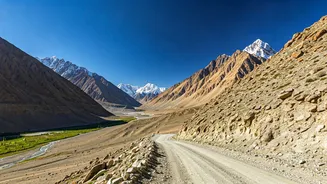
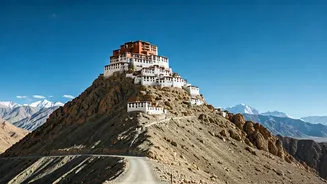
foot-highways carved by monks, traders, and pilgrims over generations. Walking them is a physical and spiritual undertaking. Every switchback reveals a new panorama of ochre mountains and impossibly blue skies. This journey through the Indus Valley isn't just a prelude to arriving at Hemis—it's an essential part of understanding its purpose. The remoteness you feel on the trail is precisely the point.
A Fortress of Faith
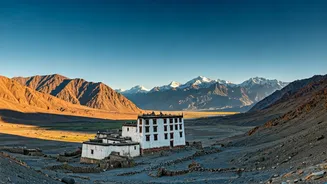
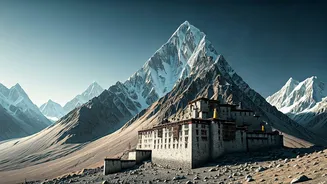
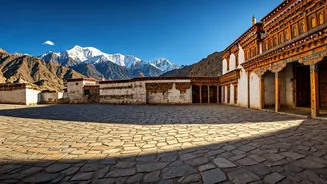
After days of hiking or a dramatic drive through winding gorges, Hemis Monastery reveals itself. It’s not perched precariously on a cliff like some Himalayan monasteries, but tucked securely into a secluded valley. Founded in the 17th century, Hemis is the head monastery of the Drukpa lineage, a major school of Tibetan Buddhism. Its architecture feels both like a sanctuary and a fortress. Brightly painted courtyards filled with intricate murals of deities and demons give way to dark, incense-filled prayer halls. The monastery’s scale is staggering, a testament to the wealth and influence it once commanded. It feels less like a simple place of worship and more like a self-contained city-state of faith, hidden from the outside world.
Why Seclusion Was Survival
So, why here? The beautiful trails weren't created for modern trekkers; they were strategic lifelines. Building a monastery in such a remote location served two primary purposes: spiritual isolation and physical protection. For monks dedicated to meditation and study, the profound silence and seclusion of the high Himalayas were essential for achieving enlightenment, far from worldly distractions. But the reasoning was also practical. The history of the Himalayas is rife with conflict, from regional skirmishes to Mongol invasions. By building Hemis deep within a protected valley, its founders ensured its precious scriptures, artworks, and spiritual leaders would be safe from plunder and destruction. The difficult trails acted as a natural defensive barrier, filtering out all but the most determined visitors, whether they were devout pilgrims or potential threats.
The Living Heart of Ladakh
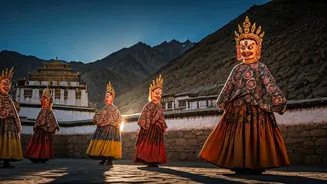
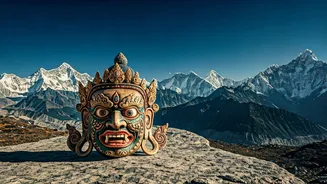
Today, those same trails bring a different kind of visitor. While Hemis is a historic site, it is very much a living institution. It’s home to a community of monks, whose crimson robes provide a striking contrast to the monastery’s whitewashed walls. The site’s pulse is most evident during the annual Hemis Festival, a vibrant, two-day event celebrating the birth of Guru Padmasambhava, who is credited with bringing Buddhism to Tibet. Monks don elaborate masks and perform sacred dances (or ‘chaam’) in the main courtyard, drawing crowds from across Ladakh and around the world. The festival transforms the quiet monastery into a riot of color, sound, and spiritual energy, reinforcing its role as the cultural and religious anchor of the region.