


Welcome to the Wettest Place on Earth
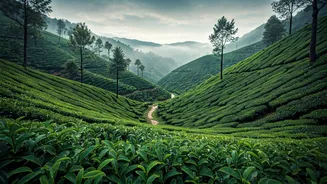
Forget what you know about a rainy day. In Cherrapunji, now officially known as Sohra, the monsoon isn't a season so much as a geological force. Nestled in the Khasi Hills of northeast India, this region holds the record for some of the highest rainfall
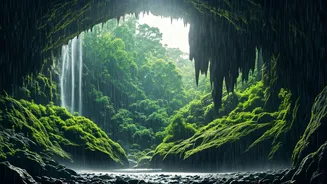
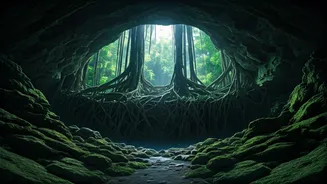
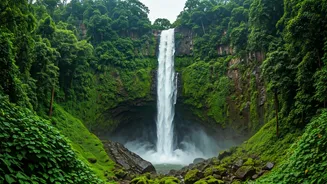
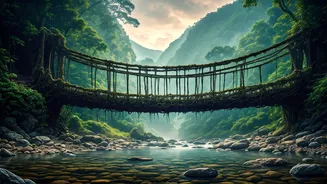
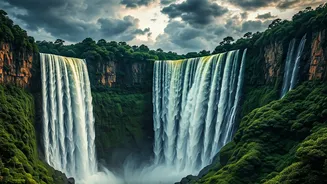
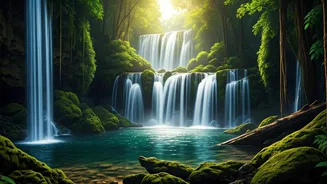
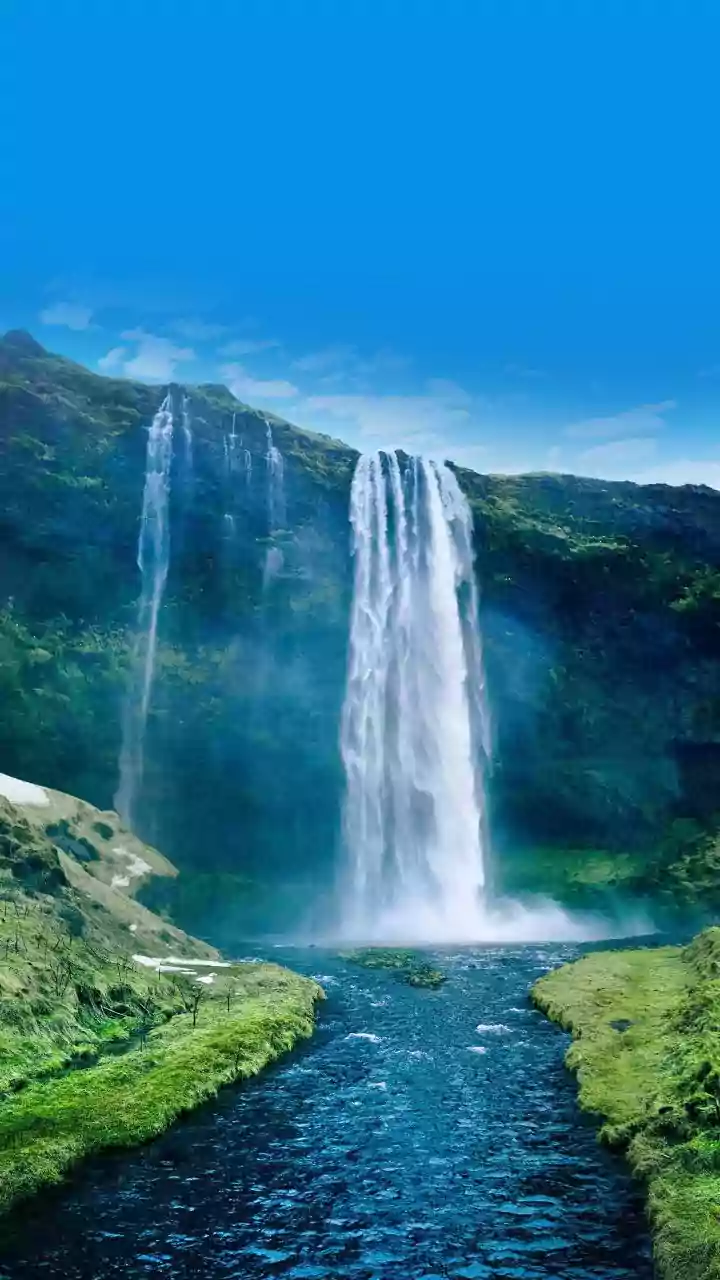
measurements on the planet. The landscape is perpetually saturated, a stunningly vibrant green canvas of deep gorges, roaring waterfalls, and rolling hills shrouded in a near-constant mist. The local Khasi people have adapted ingeniously, coaxing rubber tree roots over decades to grow into 'living root bridges' that strengthen over time and withstand the wet rot that would destroy any wooden structure. But the rain’s most profound work is hidden from the sky, carved deep into the limestone and sandstone beneath your feet.
An Invitation to the Underworld
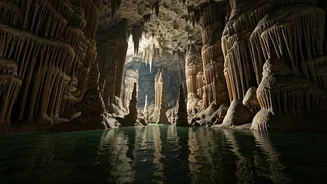
Meghalaya is home to one of the most extensive and complex networks of caves in the world, with over 1,500 identified and many still unexplored. During the dry season, they are a spelunker’s dream. But during the monsoon, they transform into something else entirely. To explore them is to willingly descend into a subterranean world animated by the storm raging above. The entrance to a cave like Mawsmai or Krem Liat Prah—one of the longest in the Indian subcontinent—feels like stepping through a portal. The roar of the rain on the jungle floor fades, replaced by a new symphony: the steady, echoing drip of water from ancient stalactites, the gurgle of a newly formed stream, and the low hum of water finding its way through miles of unseen passages.
Navigating Rivers in the Dark
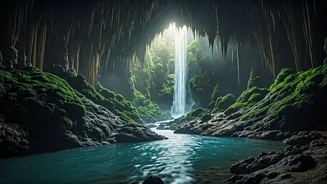
Caving in the monsoon is less about rock climbing and more about aquatic exploration. Your headlamp beam cuts through a perfect, profound darkness, catching the sparkle of calcite deposits that glitter like a carpet of diamonds. Soon, you’re not just walking on a damp floor; you’re wading. The water might be ankle-deep at first, then knee-deep, its cool current pushing against you. In larger chambers, the sound builds to a roar as you discover a waterfall—not one plunging off a cliff outside, but one thundering down from a hole in the cave ceiling, a direct channel from the deluge above. These are temporary, magical features of the monsoon caves, creating underground pools and reshaping passages that will look completely different in the dry season. You aren't just exploring a cave; you are witnessing a geological process in real time, powered by the torrential rain.
Life in a World Without Light
This seasonal inundation supports a fragile and unique ecosystem. The darkness is not empty. Your light may catch the ghostly, translucent form of a cave fish, born and bred in perpetual night, with no need for pigment or even eyes. Strange, long-limbed insects scuttle across damp walls, and entire colonies of bats, disturbed by the water levels, might shift from one chamber to another in a rustling, chittering mass. These caves are not sterile stone corridors; they are living, breathing environments. Exploring them is a reminder that life finds a way to thrive in the most extreme and unlikely of places, adapting to cycles of flood and drought, light and absolute darkness.