


The Tyranny of the Grill
Let’s be clear: there is a time and a place for a classic American barbecue. The smell of charcoal and sizzling meat is deeply woven into our national identity. But on a truly sweltering August afternoon, when the humidity is a thick blanket and the sun
is relentless, is a heavy, smoky meal really what your body craves? We stand over hot coals, sweating, only to sit down to a plate of food that makes us feel sluggish and ready for a nap, not energized for a long summer evening. We’ve collectively accepted that summer cooking means heat, labor, and a certain density. It’s a wonderful ritual for Memorial Day or the Fourth of July, but as a default for the entire season, it’s exhausting. It’s time we looked to the people who have mastered the art of hot-weather living for centuries: those who live by the sea.
Defining Coastal Cooling Energy
“Coastal Cooling Energy” isn’t a specific recipe. It’s a philosophy. It’s the culinary equivalent of opening a window to catch a sea breeze. Think about the food you find in the world’s great coastal regions—the Mediterranean, the coasts of Mexico and Peru, the fishing villages of Southeast Asia. What do they have in common? A reliance on freshness, simplicity, and ingredients that cool you from the inside out. This energy isn’t exclusively about seafood, though that’s part of it. It’s about bright acidity from citrus and vinegar. It’s about the liberal use of fresh, herbaceous greens. It’s about preparations that are raw, cured, or lightly poached rather than blasted with intense heat. It’s a style of eating that’s vibrant, light, and, above all, refreshing.
Embrace Acidity as Your Ally
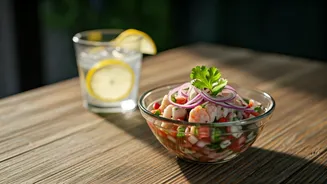
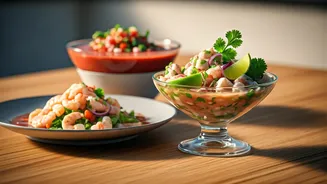
The single greatest tool for injecting coastal energy into your summer menu is acid. A squeeze of lemon or lime, a splash of good-quality vinegar—these are not mere afterthoughts; they are transformative. Acidity cuts through richness, brightens flavors, and makes food feel lighter and more dynamic. Think about the bracing power of a classic ceviche, where raw fish is “cooked” in a bath of lime juice. Or consider a simple Italian Caprese salad, where the sweetness of the tomatoes and the creaminess of the mozzarella are perfectly balanced by a drizzle of balsamic. Instead of a thick, sweet barbecue sauce, try a chimichurri—a vibrant, herbaceous sauce from Argentina built on parsley, garlic, vinegar, and oil. It delivers a punch of flavor without the heaviness, instantly making a piece of grilled chicken or fish feel infinitely more summery.
Rethink Your Summer Proteins
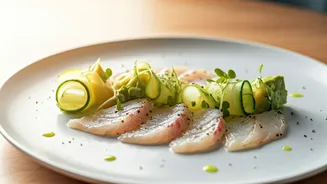
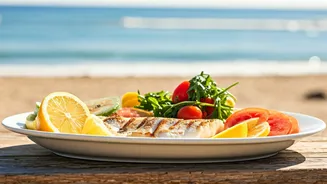
While a thick-cut steak has its place, oppressive heat calls for lighter fare. This is the season to fall in love with fish and shellfish. A platter of freshly shucked oysters on a bed of ice, served with a sharp mignonette sauce, is perhaps the pinnacle of cooling coastal food. But you don't need to get complicated. A simple, perfectly grilled branzino with lemon and herbs, or a bowl of chilled shrimp with a zesty cocktail sauce, offers immense satisfaction without weighing you down. And don't forget room-temperature proteins. A chilled, flaked salmon salad with dill and cucumber, or poached chicken tossed with a light, yogurt-based dressing, can be prepared in the cool of the morning and served effortlessly when you’re ready to eat. Even plant-based options like a hearty white bean and tuna salad (a staple in Spain) provide sustenance without the post-meal slump.
Hydration as an Ingredient
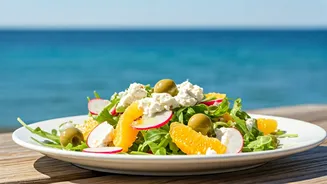
Finally, coastal energy is about integrating hydration directly into your meals. Hot weather cooking should feature foods that are naturally full of water. This is the moment for cucumbers, watermelon, tomatoes, and melons to shine not just as side dishes, but as stars. A classic Spanish gazpacho is a meal in a glass, a chilled and blended salad that’s profoundly refreshing. A salad of watermelon, feta, and mint is the perfect balance of sweet, salty, and cool. Even something as simple as a platter of sliced cucumbers and tomatoes, sprinkled with flaky sea salt, can feel like a revelation on a hot day. These dishes don't just taste good; they actively help you stay hydrated, making them a smart and delicious way to combat the summer heat.