





A Backlash to Diet Chaos
For years, urban India, like the U.S., was caught in a whirlwind of diet culture. The promises of Western fads, from Atkins to Paleo, filtered in, creating a confusing landscape. Suddenly, traditional foods that had sustained generations—rice, lentils,
potatoes, and even the cherished clarified butter known as ghee—were villainized. Superfoods were imported, juice cleanses became a status symbol, and a sense of dietary anxiety settled in. This new wave of advice often clashed with centuries of culinary wisdom, leaving people wondering if their grandmother’s cooking was suddenly unhealthy. The pushback was inevitable.
The Rise of Common Sense
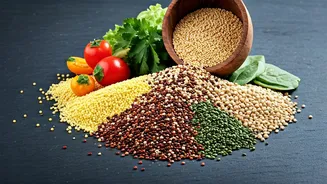
The “refreshingly boring” advice emerging today is essentially a return to common sense. Spearheaded by celebrity nutritionists like Rujuta Diwekar, the philosophy is simple: look to your own kitchen, culture, and climate for answers, not to a globalized, one-size-fits-all diet plan. It’s less about discovering a new miracle food from a faraway land and more about re-appreciating the humble, nutrient-dense meals that have always been part of Indian life. The message isn't about restriction; it's about context, heritage, and pleasure. It’s a quiet rebellion against the noise of the global wellness industry.
Eat Local, Eat Seasonal
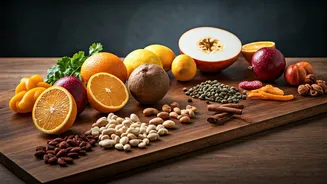
One of the core tenets of this philosophy is to eat what grows around you, when it grows around you. This sounds familiar to any American who frequents a farmers' market, but in India, it's a deeply ingrained principle tied to regional biodiversity and Ayurvedic wisdom. It means enjoying mangoes in the summer, leafy greens during the monsoon, and root vegetables in the winter. This approach not only ensures peak freshness and nutrient content but also supports local farmers and reduces the environmental cost of food. It argues that a locally grown banana is far more beneficial to your body than an imported avocado that has traveled thousands of miles.
No More Fear of Carbs and Fats
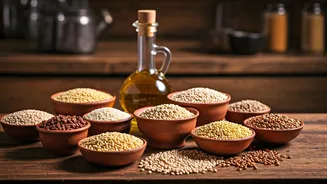
Perhaps the most radical part of this advice, especially to Western ears, is the unapologetic embrace of traditional carbohydrates and fats. The war on carbs that defined a decade of dieting in the U.S. never quite made sense in a country where rice and roti (flatbread) are the bedrock of almost every meal. The new thinking encourages people to eat their white rice without guilt. Similarly, traditional fats like ghee, coconut oil, and mustard oil are celebrated for their health benefits, from aiding digestion to providing essential fatty acids. This isn't a license to overindulge, but a call to stop demonizing entire food groups that have been part of a healthy diet for millennia.
Structure and Mindfulness Over Calorie Counting
Instead of obsessing over apps and calorie counts, this approach emphasizes structure and awareness. The advice is wonderfully simple: eat a proper breakfast, lunch, and dinner. Sit down for your meals, away from screens. Chew your food properly. Finish your last meal of the day early. These aren't revolutionary concepts, but in our multitasking, snack-heavy culture, they feel like radical acts of self-care. It’s a shift from focusing on *what* you eat to *how* you eat, fostering a healthier relationship with food that is built on respect and enjoyment rather than anxiety and data points.