

Start Before You Shop
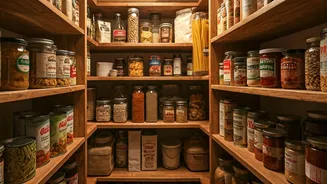
The most effective way to reduce food waste has nothing to do with fancy knife skills or complex recipes. It starts with a simple, five-minute scan of your kitchen before you go to the store. What’s in the fridge that needs to be used? What’s in the pantry?
A quick inventory prevents you from buying a third bunch of cilantro when you already have two wilting in the crisper drawer. This isn't about deprivation; it's about strategy. Plan one or two meals around what you already own. This simple habit slashes your grocery bill and ensures the food you paid for actually gets eaten. It’s the opposite of preachy—it’s just good financial sense.
Create a 'Flavor Bomb' Bag
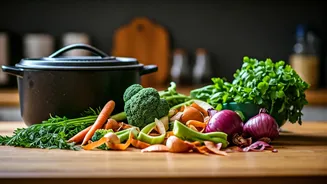
Here's one of the easiest and most rewarding low-waste hacks: Keep a large, resealable bag or container in your freezer labeled “Stock Scraps.” Into this bag go all the vegetable odds and ends you’d normally toss. Onion and garlic skins (they add amazing color), carrot peels and ends, celery butts, leek tops, mushroom stems, and parsley stalks. Avoid cruciferous vegetables like broccoli or cabbage, which can make stock bitter. Once the bag is full, simply empty it into a pot, cover it with water, add a bay leaf, and simmer for an hour. Strain it, and you have free, deeply flavorful vegetable broth that blows the store-bought boxed stuff out of the water. It’s a virtually zero-effort upgrade to your soups, sauces, and grains.
Respect the Stale Bread
In kitchens across Europe, stale bread isn’t a failure; it’s an ingredient. Let’s bring that mindset home. A loaf of bread that’s a day or two past its prime is your secret weapon. Slice it, toss it with olive oil and herbs, and toast it for homemade croutons that will ruin you for the bagged kind forever. Don't want croutons? Blitz the dried-out bread in a food processor to make breadcrumbs for topping pasta or binding meatballs. You can also tear it into chunks for a classic panzanella salad or soak it in custard for a decadent bread pudding. Treating stale bread as a culinary opportunity instead of trash is a core tenet of practical, resourceful cooking.
Rethink Your Refrigerator
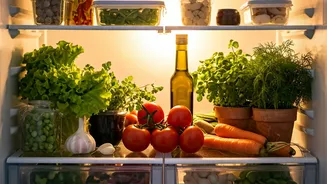
Your refrigerator can be a place where good food goes to be forgotten. Change that with one simple trick: the “Eat Me First” box. Designate a clear container or a specific shelf for leftovers and ingredients that are close to their expiration date. When you’re looking for a snack or planning dinner, you know to check that spot first. This visual cue cuts down on decision fatigue and prevents science experiments from growing in the back of the fridge. Also, learn what actually needs to be refrigerated. Tomatoes lose flavor in the cold, and potatoes should be in a cool, dark pantry. Proper storage extends the life of your produce, giving you more time to use it.
Embrace Root-to-Leaf Eating
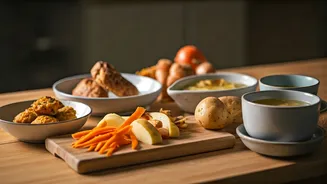
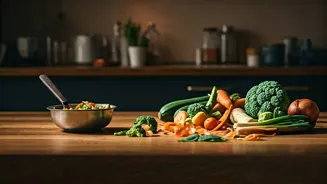
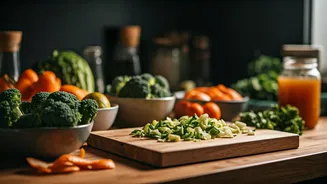
We've been trained to discard some of the most nutritious and flavorful parts of our vegetables. Low-waste cooking invites us to be more curious. Broccoli stalks, which many people trash, are delicious when peeled and roasted, or can be shredded into a slaw. The green tops of carrots can be blended into a pesto with a unique, earthy flavor. Even potato peels, when scrubbed, oiled, and baked until crispy, make for an addictive snack. This isn't about forcing yourself to eat something you don’t like. It’s about discovering new textures and flavors in the ingredients you’ve already bought, getting more nutrition and value from every single purchase.