

Explore the 'Tea Capital of India'
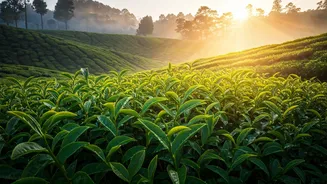
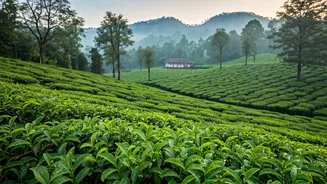
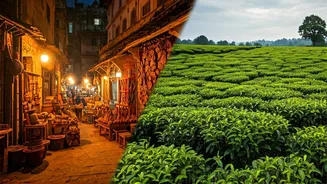
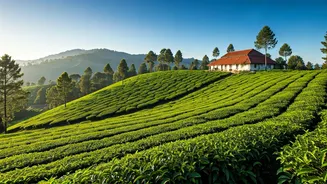
Jorhat’s most prominent claim to fame is its title as the “Tea Capital of India.” The city is surrounded by a seemingly endless ocean of emerald-green tea plantations, their meticulously pruned bushes rolling across the landscape. This isn't just a scenic
backdrop; it's the lifeblood of the region. Many estates, some dating back to the British colonial era, now welcome visitors for tours and tastings. You can walk through the gardens, watch workers pluck the tender two-leaves-and-a-bud, and see the journey from leaf to cup at a factory. Staying in a heritage tea bungalow offers a particularly immersive experience, waking up to the crisp, clean air and the quiet hum of plantation life. It’s a sensory deep-dive into the world of Assam tea, far from the commercialized experiences found elsewhere.
Visit the World’s Largest River Island
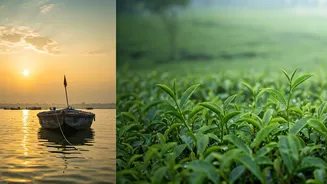
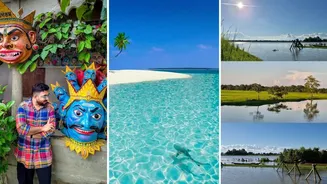
Jorhat serves as the primary gateway to Majuli, a natural and cultural wonder recognized as the world's largest river island. A short ferry ride across the mighty Brahmaputra River transports you to another world. Majuli is the heart of Neo-Vaishnavism, a monotheistic stream of Hinduism, and is dotted with ‘Sattras’—monastic centers that are repositories of art, music, dance, and drama. Visitors can witness mesmerizing theatrical performances, learn about the unique craft of mask-making, and experience a simple, sustainable way of life. The island's landscape is a fragile ecosystem of wetlands and sandbars, offering serene beauty and excellent birdwatching. A trip to Majuli isn’t just a day tour; it’s a profound cultural pilgrimage.
Step Back into Ahom Kingdom History
Long before the British arrived, this region was the domain of the Ahom Dynasty, which ruled Assam for nearly 600 years. Jorhat was its last capital, and remnants of this powerful kingdom are scattered throughout the area. You can visit the Raja Maidam, a vault preserving the ashes of a former king, or explore the Thengal Manor, a historic mansion that printed the first Assamese-language daily newspaper. Near the city of Sivasagar, a former Ahom capital, you’ll find impressive temples and the Talatal Ghar, a multi-storied palace with secret underground tunnels. This historical layer adds a depth to Jorhat that elevates it beyond a simple nature retreat, offering a glimpse into a powerful and resilient dynasty.
Encounter Rare and Wonderful Wildlife
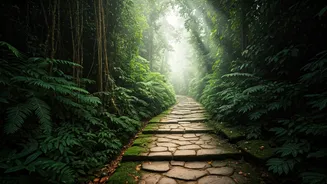
Jorhat’s natural appeal extends beyond its tea gardens. Just a short drive from the city is the Hoolongapar Gibbon Sanctuary, one of the few places on earth where you can see the hoolock gibbon, India's only ape species, in its natural habitat. The sanctuary is a protected patch of evergreen forest that is also home to other primates like the stump-tailed macaque and capped langur. The experience of walking through the quiet forest, listening for the distinct calls of the gibbons as they swing through the canopy, is a highlight for any nature lover. Its accessibility from Jorhat makes it an easy and rewarding addition to any itinerary.
Immerse Yourself in Authentic Assamese Life
Perhaps Jorhat's greatest charm lies in its unpretentious, local feel. This is not a city built for tourists; it's a place where you can experience everyday Assamese life. Wander through bustling local markets like Chowk Bazaar, filled with fresh produce, handwoven textiles, and the distinct aroma of regional spices. Sample the local cuisine, which is lighter and more herb-focused than typical Indian fare, with specialties like ‘masor tenga’ (a tangy fish curry) and dishes featuring bamboo shoots and banana flowers. The pace of life is slower here, offering a welcome respite for travelers fatigued by the intensity of India's megacities. It’s this authenticity that is drawing a new wave of visitors looking to connect with a place on its own terms.