

The Allure of the Front Label
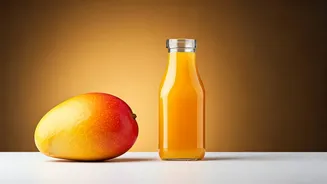
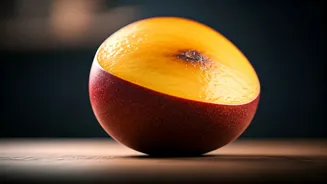
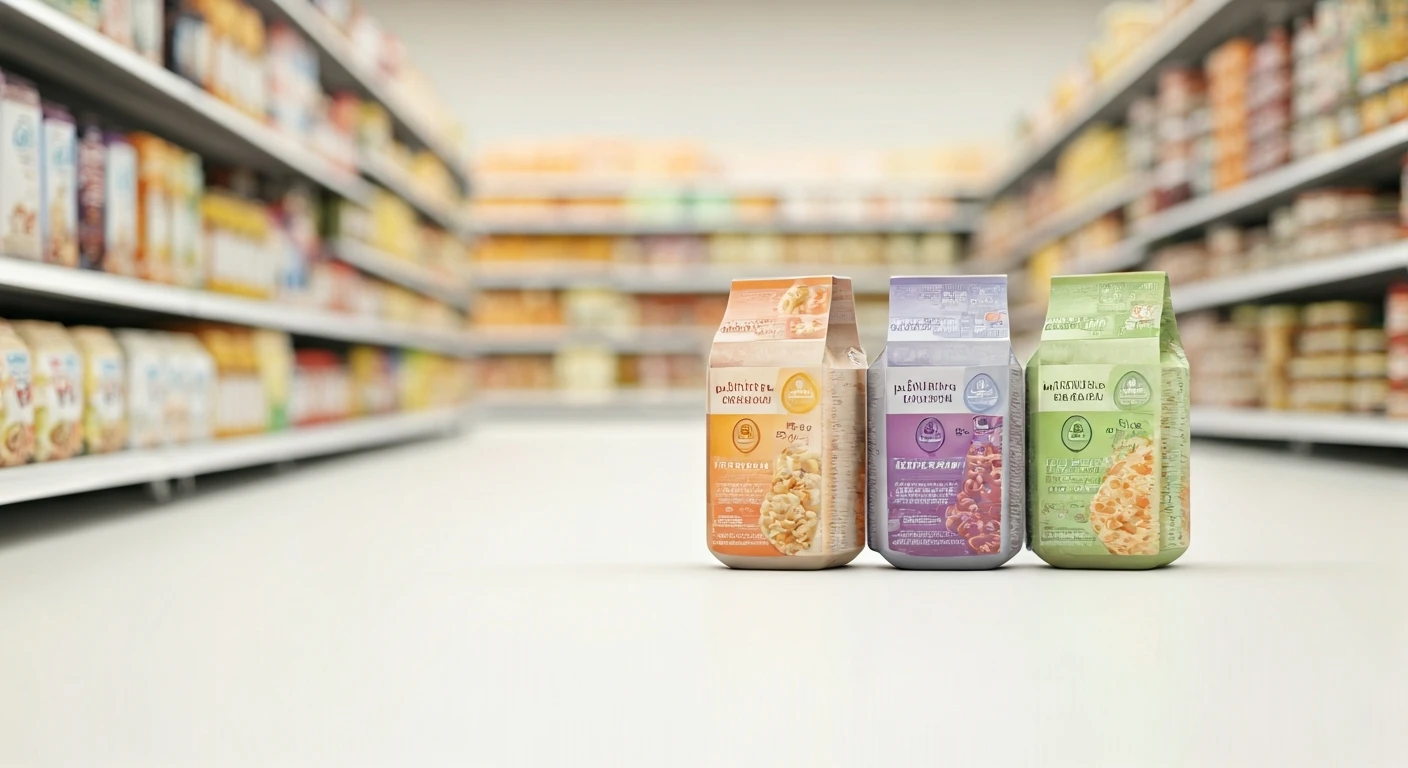
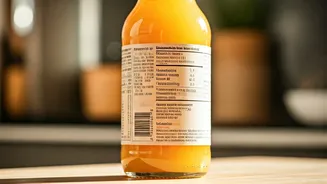
You see it in the refrigerated aisle: a beautifully designed bottle with lush images of ripe, dripping mangoes. The word “MANGO” is printed in big, bold letters. You grab it, assuming you're buying, well, mango juice. The problem is, that front label
is pure marketing. It’s designed to sell you on an idea—the idea of a tropical escape in a bottle. But the real story, the one that legally matters, is printed in tiny font on the back. In recent years, several major juice brands have faced class-action lawsuits over this very issue. Consumers have alleged that companies market their products as being predominantly one expensive, desirable fruit (like mango or blueberry) when, in reality, the primary ingredients are cheaper, less flavorful juices like apple, pear, or white grape juice. While these blends aren't illegal, the lawsuits hinge on the argument that the packaging is intentionally deceptive, leading shoppers to pay a premium for a product that is mostly filler.
Decoding the Ingredient List
The single most important skill for a juice drinker is learning how to read the ingredient list. By law, ingredients must be listed in descending order by weight. The ingredient that makes up the largest portion of the product comes first, and so on. This is where the truth comes out. When you pick up that “mango” drink, flip it over. What’s the first ingredient? If it’s “Mango Puree,” congratulations, you’ve likely found a genuine article. But if the first ingredient is “Apple Juice from Concentrate” or “Water,” followed by a laundry list of other juices before you even see the word “mango,” you’re holding a fruit cocktail. The mango is more of a flavoring guest star than the main act. Be particularly wary of “natural flavors,” which can be used to create a mango-like taste without using much of the actual fruit.
Why Companies Do This
The reason for this practice is simple economics. Mangoes, especially high-quality puree, are significantly more expensive than apples or grapes, which are abundant and cheap to process into concentrate. By using a base of inexpensive juice, companies can dramatically lower their production costs while still charging a premium price driven by the perception of a high-value ingredient. The visual appeal also plays a role. Mango puree is thick and opaque, which isn't always what consumers expect from a drinkable juice. Cheaper filler juices help create a smoother, more stable, and visually consistent product that flows easily and has a long shelf life. Essentially, it’s a balancing act between flavor, cost, and consumer expectation, but one that often leaves the consumer paying for a tropical fantasy rather than a tropical fruit.
How to Find the Real Deal
So, how do you find authentic mango juice? Your best bet is to ignore the front of the bottle entirely and head straight for the back. Look for products that explicitly state “100% Mango Juice” or have “mango puree” as the first and, ideally, only fruit ingredient (besides water and maybe a preservative like citric acid). Consider exploring other forms, too. Mango nectar is another option, which is typically made from mango puree, water, and a sweetener. The regulations for nectar require a certain minimum percentage of fruit content, which can often be higher than what’s in a vaguely labeled “mango drink.” You can also find high-quality frozen mango puree or canned mango pulp in the international aisle of many supermarkets, which you can then use to make your own superior juice at home. These options often provide a more intense, authentic mango flavor for your money.