




The 'Skinification' of Your Scalp
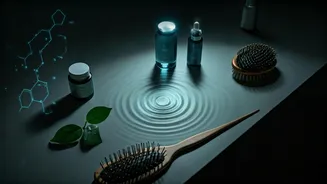
For years, the beauty industry treated the skin on our faces and the skin on our heads as two entirely different ecosystems. That era is officially over. The biggest shift in hair care is the 'skinification' of the scalp. Think about it: your scalp is the garden
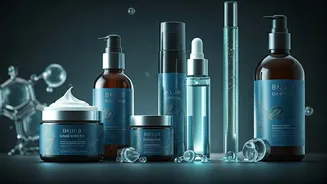
from which your hair grows. A healthy, balanced scalp environment is the prerequisite for strong, vibrant hair. Looking toward 2026, expect to see your hair aisle look more like the skincare aisle. We're talking about scalp serums packed with hyaluronic acid for hydration, clarifying treatments with salicylic acid to dissolve buildup, and gentle exfoliants (both chemical and physical) to slough off dead skin cells. This isn't about treating a problem like dandruff; it's about proactive, preventative care that becomes a non-negotiable step in your routine, just like washing your face.
Bio-Hacking Hair from Within
Topical products are only half the battle. The next frontier in hair health is an inside-out job. The concept of 'bio-hacking'—optimizing your body's systems for peak performance—is coming for your hair follicles. This goes far beyond grabbing a generic biotin gummy. The future is about targeted nutritional support based on individual needs. We're seeing a rise in diagnostic tools, from at-home blood tests to consultations with trichologists (hair and scalp specialists), that can pinpoint specific deficiencies in vitamins and minerals like iron, vitamin D, and zinc that directly impact hair growth and shedding. This leads to hyper-personalized supplement plans, diet recommendations focused on hair-healthy proteins and fats, and a new understanding that your hair is a direct reflection of your internal wellness. The 2026 trend isn't just having great hair; it's about building it from the cellular level.
Hyper-Personalized Natural Texture
The movement to embrace natural hair texture has been building for years, but its next evolution is less about a single 'wash-and-go' philosophy and more about a hyper-personalized, scientific approach. Instead of fighting your waves, curls, or coils, the trend is to decode them. Expect to see brands and stylists moving beyond simple 'curly' or 'straight' categories. They'll focus on hair porosity (how well your hair absorbs and retains moisture), density, and individual strand thickness to create bespoke routines. This means the end of one-size-fits-all products. Your routine might involve a pre-wash oil, a specific co-wash, a leave-in conditioner, and a styling gel with just the right amount of hold—a precise cocktail engineered for *your* hair, not just your 'hair type.' It’s a celebration of individuality, backed by science.
Low-Maintenance, High-Impact Color
Dramatic, high-maintenance color transformations are taking a backseat to techniques that prioritize hair health and longevity. The root of this trend is, well, the roots. Styles that look great even as they grow out are becoming the gold standard. Think 'shadow roots' that create a seamless, deliberate transition from your natural color to a lighter end, or 'balayage' that is artfully painted to avoid a harsh demarcation line. It’s about working with your natural color, not against it. This not only reduces the frequency of salon visits (and chemical exposure) but also keeps hair healthier in the long run. We're also seeing a rise in glosses and toners used as standalone services—a way to boost shine and richen up your existing color without the commitment or damage of a full dye job. It’s the look of expensive color with a much smarter, gentler approach.
Regenerative and Refillable Routines
Finally, the trend that starts at the 'root' of the product itself: sustainability. Consumers are increasingly aware of the environmental impact of their beauty routines, and brands are responding. By 2026, 'eco-friendly' will be table stakes. The future is 'regenerative.' This includes solid-form products like shampoo and conditioner bars that eliminate plastic packaging and water from the formula itself. It also means a massive boom in refillable systems, where you buy a durable, beautiful container once and purchase refills in minimalist, recyclable packaging thereafter. The focus extends to ingredient sourcing, with an emphasis on ethically farmed botanicals and lab-grown actives that don't deplete natural resources. This trend connects your personal health with planetary health, acknowledging that true wellness can't exist in a vacuum.