

The Great Rejection of ‘Sad Beige’
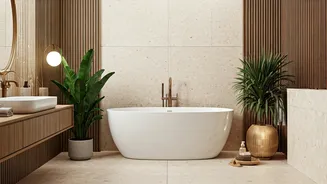
Remember the era of the all-white kitchen, the greige living room, and the ficus shivering alone in a corner? That aesthetic, driven by house-flipping shows and resale-value anxiety, promised a clean, inoffensive canvas. The problem? For many, it felt
less like a canvas and more like a waiting room. The pandemic, which forced us to spend unprecedented time within our own four walls, acted as an accelerant for a change that was already simmering. We weren't just living in our homes; we were working, exercising, and socializing in them. Suddenly, a space that felt impersonal or sterile wasn't just boring—it was draining. The rejection of this cookie-cutter minimalism is less about messiness and more about meaning. It's a collective decision to prioritize personal joy over hypothetical market appeal.
The Rise of ‘Dopamine Decorating’
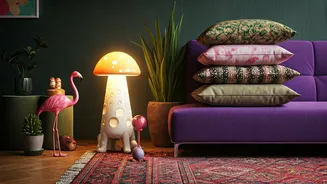
This shift has a name: “dopamine decorating.” The term, which has exploded on platforms like TikTok and Instagram, refers to the practice of filling your home with things that make you genuinely happy. Think vibrant colors, beloved objects, and textures that are pleasing to the touch. It’s interior design as a form of self-care. The “confidence boost” in the headline isn’t just figurative. Psychologically, surrounding ourselves with items that evoke positive memories, or with colors and shapes that stimulate our senses, can have a tangible effect on our mood. Instead of asking, “Will a potential buyer like this?” the new question is, “Does this giant, ceramic mushroom lamp bring a ridiculous smile to my face?” If the answer is yes, it stays. This approach reframes decorating from a chore into an act of joyful self-expression.
Finding Your Quirk: Unexpected Color
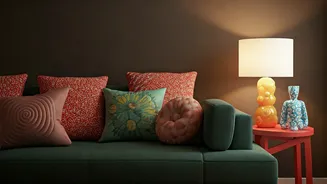
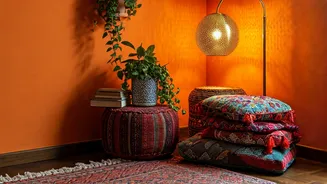
The most immediate way to inject personality into a room is through color, and quirky decor takes this to a new level. We're not just talking about a single “accent wall” anymore. Think bigger. Color drenching—painting the walls, trim, and even the ceiling in the same rich hue—creates an immersive, jewel-box effect. Homeowners are also getting braver with unconventional pairings: lavender and olive green, mustard yellow and dusty pink. The goal isn't to follow a prescribed color wheel but to find combinations that feel uniquely exciting. It's about trusting your own eye and understanding that if a color makes you feel energized or serene, it’s the “right” color for your space.
Finding Your Quirk: Weird and Wonderful Objects
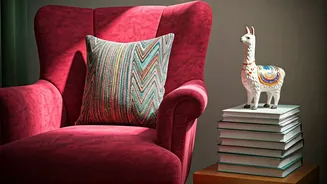
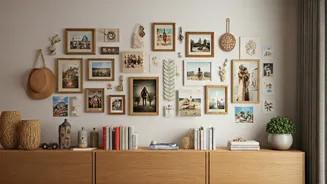
Look around a quirky home and you’ll find the supporting characters are just as important as the main set. This is where personal collections and oddball finds get to shine. It might be a vintage bowling pin collection displayed on a bookshelf, a gallery wall composed entirely of thrift-store portraits, or a neon sign spelling out an inside joke. The wavy mirror, the mushroom-shaped lamp, and the slightly-too-lumpy handmade ceramic vase have become icons of this aesthetic. These items defy mass-produced perfection. They have character and often a story. They’re conversation starters that proudly announce, “Someone with a specific, maybe even strange, point of view lives here.”
Finding Your Quirk: The Art of the Clash
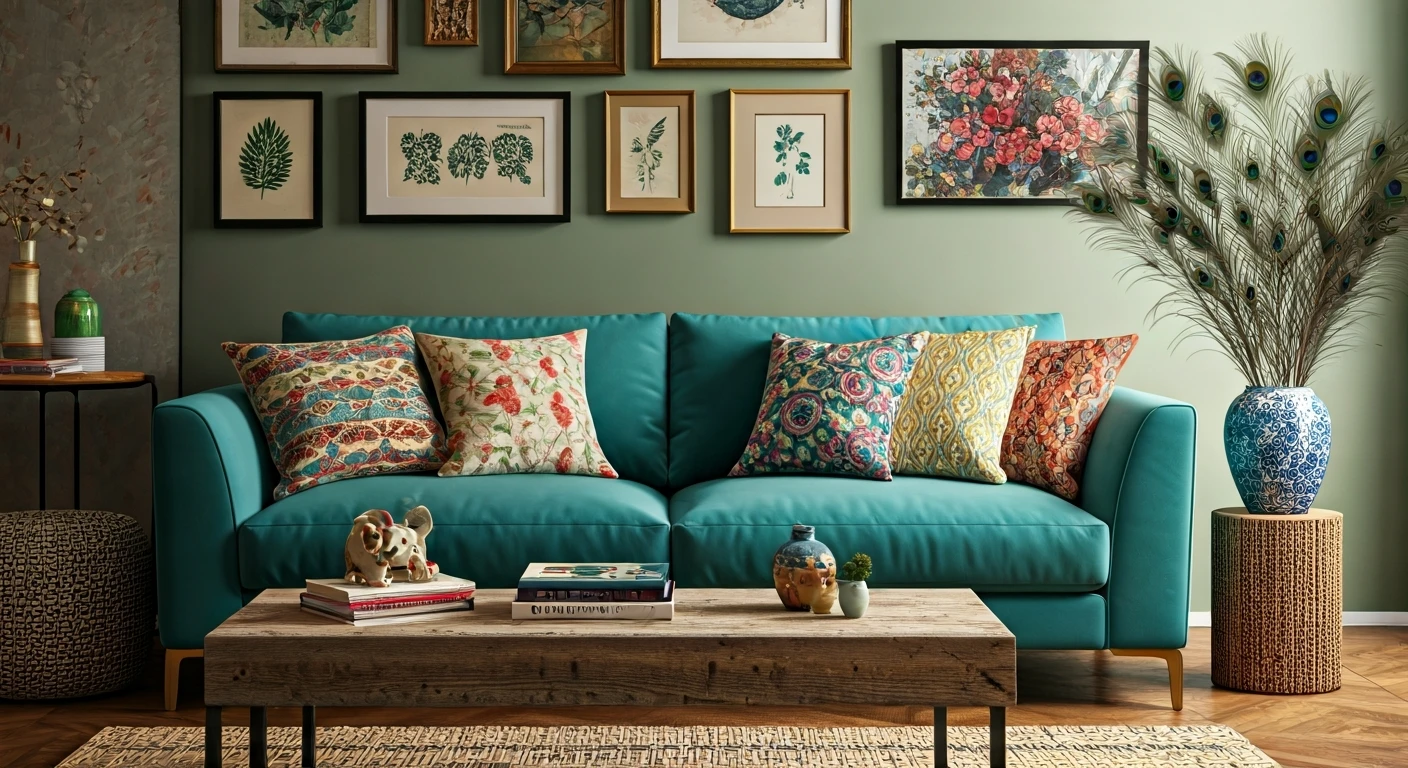
Perhaps the most advanced level of quirky design is the masterful clash of styles, patterns, and eras. This isn’t about chaos; it’s about curated eclecticism. A sleek, mid-century modern credenza might sit below a frilly, Baroque-style gold mirror. A traditional floral-print sofa might be adorned with geometric pop-art pillows. The confidence here comes from the ability to see the connective thread between disparate items. Maybe it’s a shared color, a similar scale, or simply the fact that you love them all equally. This mix-and-match approach tells a richer story than a room furnished from a single catalog. It suggests a life lived, tastes that have evolved, and an appreciation for design from all walks of life.