





The Summer Food 'Danger Zone'
We all know the basic rules: keep cold foods cold and hot foods hot. But summer makes that complicated. The temperature range between 40°F and 140°F is what the USDA calls the “danger zone,” where bacteria like Salmonella and E. coli can double in number
in as little as 20 minutes. A picnic blanket under the July sun or a tray of burgers sitting by the grill can quickly become a perfect incubator. Potato salad, creamy dips, and undercooked meats are classic culprits. While common sense and good practices are your first line of defense, the anxiety of serving something that could make a guest sick is real. It’s this specific, high-stakes environment that has many home cooks looking for an extra layer of assurance.
Beyond the Meat Thermometer
For decades, the meat thermometer has been the primary piece of food-safety tech in the American kitchen. It’s a simple, effective tool for ensuring poultry and ground beef reach a safe internal temperature. But what about invisible threats that a thermometer can’t detect? Drawing inspiration from the pandemic-era normalization of at-home diagnostics, a new category of consumer-grade testing is emerging. These gadgets and kits are designed to give you a quick reading on specific contaminants, offering a level of insight that was once reserved for professional labs. They fall into two main categories: tests for common allergens and tests for harmful bacteria. Think of them not as a replacement for caution, but as a powerful new assistant in your summer kitchen.
Peace of Mind for Allergy Sufferers
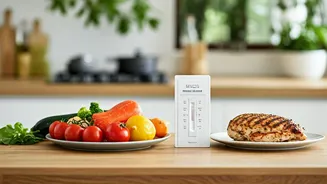
For millions of Americans living with severe food allergies, a potluck can feel like a minefield. A well-meaning friend might forget that their “secret ingredient” contains peanuts, or cross-contamination can occur when a knife used for a wheat roll is then used to slice a gluten-free loaf. Portable allergen testers are designed to address this exact problem. Devices like the Nima Peanut Sensor or the ALLERGENS-TEST use disposable capsules and a small reader to detect trace amounts of proteins from gluten, peanuts, milk, and other common allergens in a small food sample. For a parent checking a brownie at a birthday party or a guest testing a “gluten-free” dish at a restaurant, these devices can provide an on-the-spot confirmation that helps them make a safer choice. The process usually takes just a few minutes, offering near-instant peace of mind.
Spotting Invisible Pathogens
While allergen testers are becoming more common, the next frontier is home testing for microbial contaminants. Several companies now offer consumer-facing kits to test for bacteria like E. coli, listeria, and salmonella on surfaces, in water, and in certain foods. These typically work like a small science experiment: you swab a surface or mix a food sample with a provided solution, and after an incubation period (which can range from a couple of hours to a full day), a color change indicates the presence of a specific bacteria. While not as instantaneous as allergen testers, they can be invaluable for checking the cleanliness of a cutting board after handling raw chicken or testing a batch of homemade jerky before sharing it. They provide a tangible way to verify that your cleaning and handling processes are truly effective.
A Tool, Not a Magic Wand
It’s crucial to approach these technologies with realistic expectations. They are an extra layer of protection, not an excuse to abandon fundamental food safety. No device is 100% foolproof; false positives and negatives can occur. A test on one tiny sample of a large dish doesn't guarantee the entire batch is safe, especially if ingredients are unevenly mixed. These tools cannot replace the non-negotiable basics: washing your hands thoroughly, using separate cutting boards for raw meat and produce, cooking foods to their recommended internal temperatures, and keeping foods out of the temperature “danger zone.” Home testing works best when it complements, rather than replaces, these tried-and-true practices. It’s about adding data to your decision-making, not outsourcing your judgment entirely.