



Beyond the Buffet
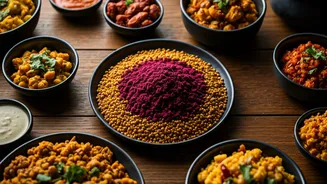
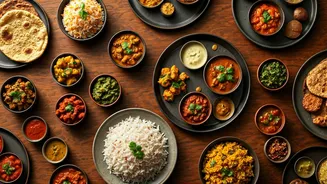
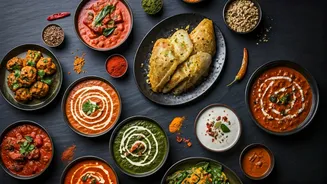
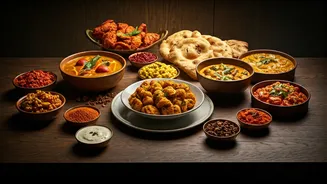
The single biggest shift in Indian food in the U.S. is the move away from the generic, one-size-fits-all buffet. For decades, the American understanding of Indian cuisine was shaped by a handful of rich, creamy dishes from the Punjab region, like chicken
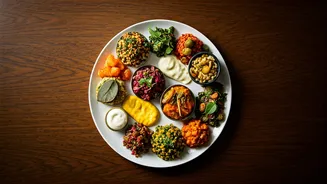
tikka masala and saag paneer. While delicious, this represented only a tiny fraction of the subcontinent's staggering culinary diversity. Now, a new wave of chefs and restaurateurs—many of them second-generation Indian Americans—are proudly showcasing the distinct flavors of their specific heritage. Restaurants dedicated to the coconut-laced seafood curries of Kerala, the fiery vindaloos of Goa, the delicate steamed fish of Bengal, or the complex vegetarian thalis of Gujarat are popping up in major cities. Diners are no longer just asking for "curry"; they're seeking out the stories, techniques, and ingredients that make each region unique.
The Ghee Glow-Up
Ghee, or clarified butter, has been a cornerstone of Indian cooking and Ayurvedic medicine for thousands of years. But in America, it has undergone a remarkable transformation from a niche ethnic ingredient to a mainstream wellness darling. You can now find artisanal ghee in mason jars at Whole Foods, often positioned next to coconut oil. Why the sudden fame? Ghee aligns perfectly with several modern health trends. It’s lactose-free, making it suitable for the dairy-sensitive. It has a high smoke point, ideal for high-heat cooking. And it’s a key component of popular diets like Keto and Paleo. Wellness influencers praise its nutty flavor and purported health benefits, adding it to everything from morning coffee to roasted vegetables. It’s a prime example of an ancient food being recontextualized for the contemporary American health-conscious consumer.
The Mighty Millet's Return
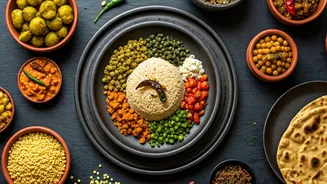
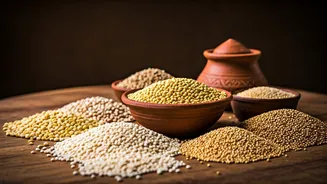
Before rice and wheat became the dominant starches, millets were the workhorse grains of India. Varieties like ragi (finger millet), jowar (sorghum), and bajra (pearl millet) were used to make flatbreads, porridges, and savory cakes for millennia. After falling out of favor for decades, these ancient grains are experiencing a powerful renaissance, both in India and abroad. This comeback is fueled by their impressive nutritional profile—they are naturally gluten-free, high in protein and fiber, and packed with minerals. Their agricultural benefits are also a major draw; as drought-resistant crops, they are far more sustainable than thirsty rice and wheat. With the United Nations designating 2023 as the "International Year of Millets," their profile has skyrocketed. In the U.S., you'll now find millets in everything from craft bread flour blends to upscale restaurant grain bowls.
Fermented Foods Take the Stage
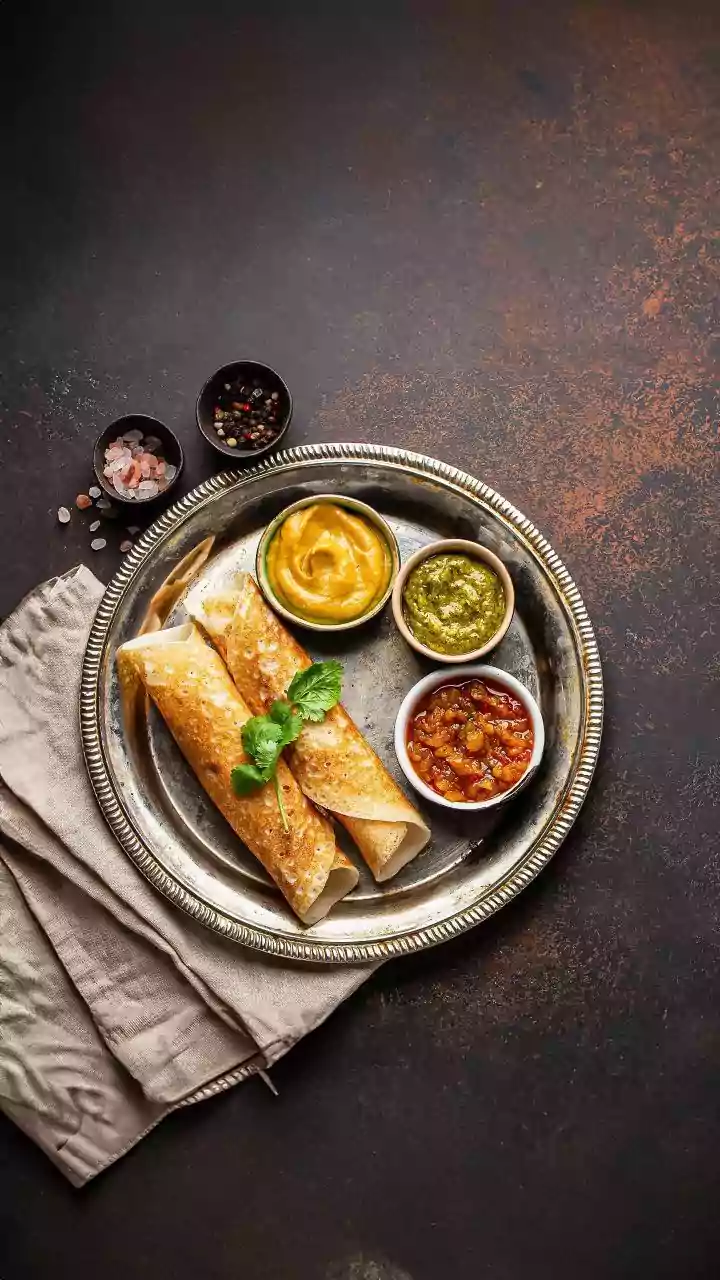
The American obsession with gut health and probiotics has opened the door for a category of Indian food that was once relatively unknown outside the diaspora: fermented classics. Enter dosa and idli. These South Indian staples are made from a batter of rice and lentils that is left to ferment overnight, creating a tangy, airy, and naturally probiotic base. The dosa, a massive, crispy crepe, and the idli, a soft, steamed cake, are not only delicious but also align with the wellness zeitgeist. They are light, easy to digest, and naturally gluten-free. Once confined to specialty South Indian diners, these dishes are now appearing on brunch menus and gaining traction as a healthy, savory alternative to pancakes or toast, proving that ancient culinary wisdom often dovetails perfectly with modern nutritional science.