








The Power of Gamified Fitness
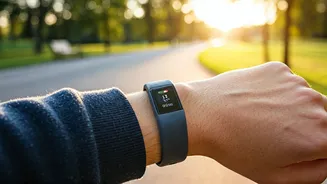
What is it about a simple step count that can inspire a lunchtime power walk or a post-dinner neighborhood loop? The answer lies in gamification. Fitness trackers and their associated apps tap into fundamental human psychology by turning exercise into a game.
They provide clear rules (get more steps), real-time feedback (a rising number on your screen), and a sense of reward (closing your rings or hitting a daily goal). When you add a social layer—a leaderboard shared among friends or coworkers—you introduce two more powerful motivators: accountability and competition. Suddenly, your decision to take the stairs isn't just for you; it's to keep pace with Dave from Accounting or to help your team pull ahead in the weekly challenge. This social pressure, when framed positively, creates a powerful incentive to move more than you otherwise would.
From Personal Goal to Social Event
A personal step goal is a private negotiation with yourself. A group challenge is a public declaration. This shift is what makes the experience so different and, for many, more effective. Sharing your progress transforms a solo grind into a shared journey. The group chat buzzes with encouragement and good-natured trash talk. You might find yourself strategizing, sharing tips for sneaking in extra steps, like pacing during phone calls or taking a longer route to the coffee machine. This camaraderie can be especially crucial for people who struggle with motivation. When your own willpower is flagging, the collective energy of the group can provide the necessary push. The competition becomes less about beating others and more about not letting the team down, fostering a sense of belonging centered on a positive, healthy habit.
How to Start Your Own Challenge
Launching a successful step challenge is simple. First, gather your participants—a group of 5 to 10 people is often ideal, as it's large enough for competition but small enough to maintain personal connection. Next, choose your platform. Most modern fitness trackers, from Apple Watch to Fitbit and Garmin, have built-in features for creating private challenges. Decide on the rules. Will it be a week-long sprint or a month-long marathon? Is the goal total steps, or most days hitting a specific target? Finally, consider the stakes. While the best prize is often just bragging rights, a small, fun incentive can heighten the excitement. This could be anything from the loser buying the winner a coffee to a small trophy that gets passed around after each challenge. The key is to keep it light and focused on participation.
Keeping the Competition Healthy
The line between healthy rivalry and toxic obsession can be thin. To ensure your challenge stays on the right side of that line, establish a positive tone from the outset. Emphasize that the ultimate goal is personal improvement for everyone involved. Celebrate milestones other than first place, such as someone achieving a new personal best or the whole group increasing its average step count. It's also crucial to listen to your body. A friendly competition should never push you to ignore pain or risk injury. If you find yourself becoming overly fixated on the numbers or feeling stressed by the leaderboard, it’s okay to step back. A 'rest day' from the competition can be just as important as a day of high mileage. The best challenges are the ones where everyone feels supported, regardless of their final ranking.
Beyond the 10,000-Step Myth
For years, 10,000 steps has been the default benchmark for daily activity. While it’s a catchy and memorable number, it’s important to know that its origins are in marketing, not medicine. It originated from a Japanese pedometer brand in the 1960s. More recent research suggests that the health benefits of walking begin far below 10,000 steps and can vary greatly by age and overall health. For some, 7,500 steps might be a fantastic achievement, while for others, 12,000 is the norm. When setting up a challenge, encourage participants to focus on increasing their personal baseline rather than fixating on an arbitrary target. The real victory isn't hitting a specific number, but building a sustainable habit of moving more every day.