








The New Bucket List
For decades, the classic international trip for many Indians followed a familiar script: a whirlwind tour of Europe’s capitals, a shopping spree in Dubai, or posing before the landmarks of Southeast Asia. But a significant shift is underway. Travel agencies
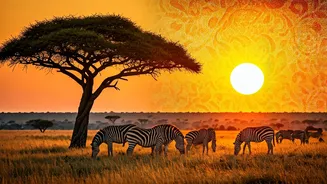
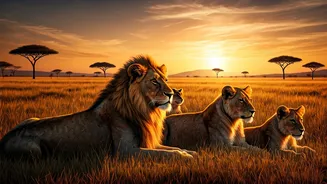
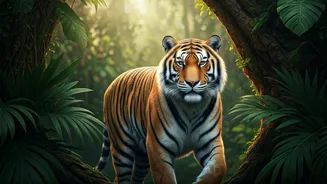
and tour operators are reporting a surge in demand for itineraries where the main attraction isn't a building, but a living creature. Instead of just the Eiffel Tower or the Colosseum, the new bucket list includes seeing the ‘Big Five’ on a Kenyan safari, tracking tigers in India’s own Ranthambore National Park, or watching humpback whales breach off the coast of Sri Lanka. According to reports from major travel companies like Thomas Cook India, wildlife and experiential travel have seen double-digit growth, moving from a niche interest to a mainstream aspiration for travelers with disposable income. This isn't just an add-on activity; it's the entire point of the trip.
The 'Attenborough Effect' Goes Global
So, what’s driving this migration toward the wild? Part of the answer lies in a global phenomenon often called the 'Attenborough Effect.' The stunning cinematography and compelling narratives of nature documentaries like *Planet Earth* and *Our Planet* have created a deep, visceral connection to the natural world for a global audience. For India's rising middle and upper-middle classes, who have more access to global media than any previous generation, these shows are not just entertainment—they're a travel catalog. Combined with the power of social media, where a photo with a gentle giraffe in Nairobi or a video of the Northern Lights in Finland generates far more cachet than another picture of a famous monument, the appeal is undeniable. It’s a hunt for the unique, the authentic, and the profoundly shareable experience that can't be replicated in a city.
From Safaris to Conservation
While African safaris remain the gold standard for many, the definition of an 'animal-centric' trip is broadening. The modern Indian wildlife tourist is sophisticated, with interests that go beyond just spotting iconic predators. Tour operators are curating a diverse range of experiences to meet this demand. These include gorilla trekking in Rwanda, a physically demanding but deeply rewarding journey. Others are booking trips to see the orangutans in Borneo, joining conservation-focused tours, or planning expeditions to Antarctica to see penguin colonies. Domestically, there's renewed interest in India’s own diverse ecosystems, from the one-horned rhinos of Kaziranga National Park to the snow leopards of Ladakh. This isn’t passive viewing; it’s active, immersive travel that often involves learning about ecology, conservation, and the delicate balance between human activity and animal habitats.
A Sign of Deeper Shifts
This trend isn't just about Instagram envy; it reflects a deeper evolution in traveler values. As incomes rise, priorities often shift from material acquisition to experiential wealth. For many, especially millennial and Gen Z travelers, collecting experiences is more valuable than collecting things. Furthermore, many of these trips are multi-generational affairs. Parents want to give their children educational, screen-free experiences that foster an appreciation for nature—a powerful antidote to an increasingly urbanized life. This desire for meaningful travel also aligns with a growing awareness of sustainability. Travelers are more conscious of their impact and are increasingly drawn to ecotourism that supports local communities and conservation efforts, turning a vacation into a force for good.