

Ditch the Two-Week 'Shred'
The most pervasive myth of summer is the two-week crash diet. Whether it’s for a vacation, a wedding, or the first pool weekend, we’re told to go into extreme restriction mode. The problem? It’s a physiological and psychological trap. Drastic calorie
cuts can slow your metabolism, zap your energy, and lead to a rebound effect where you gain back any lost weight (and then some) as soon as you return to normal eating. The real-world logic is to focus on consistency, not crisis management. Instead of a last-minute panic, aim for small, sustainable habits you can maintain all season long. Think one healthy swap a day or a consistent walking routine. You’ll feel better, have more energy for summer fun, and avoid the miserable boom-and-bust cycle.
Stop Fearing the Barbecue
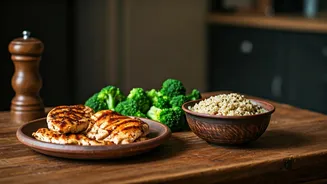
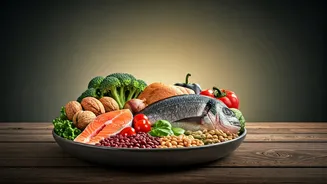
The classic 'BBQ Survival Guide' often paints the cookout as a dietary minefield to be navigated with caution. Advice like 'bring your own Tupperware of steamed vegetables' or 'avoid the grill entirely' is not only antisocial, it’s unnecessary. A barbecue is a social ritual, not a nutritional test you have to ace. The logical approach is to build a smarter plate, not avoid the party. Start by loading half your plate with the salad and non-starchy veggies that are almost always available. Then, add a source of protein—a burger patty (bun or no bun, your call), grilled chicken, or a fish fillet. Finally, add a small portion of the fun stuff you’re really craving, like a scoop of potato salad or a handful of chips. You get to enjoy the food and the company without feeling deprived or guilty.
Hydrate Smarter, Not Just More
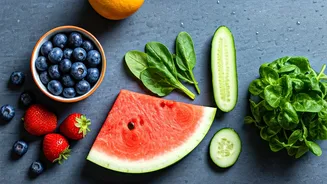
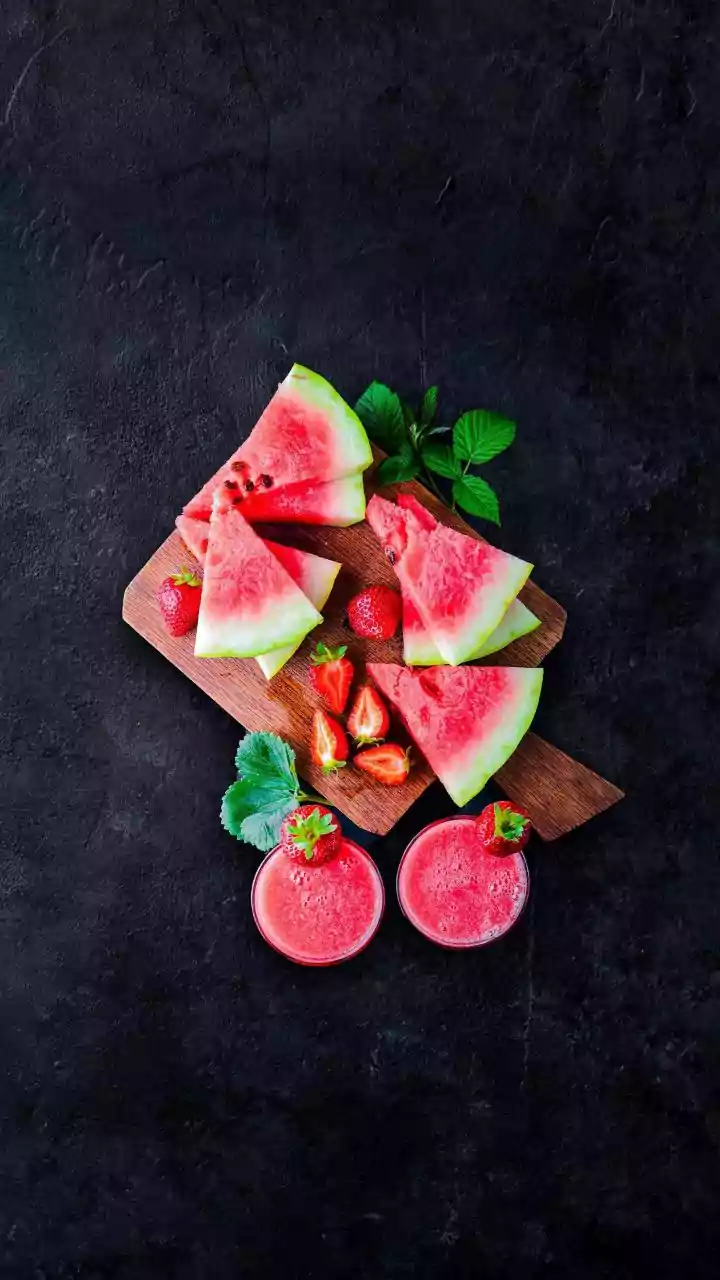
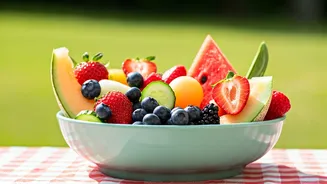
“Drink more water” is good advice, but it lacks context. In the summer heat, hydration is crucial for energy, skin health, and metabolism. But it’s not just about chugging plain water until you’re miserable. First, remember that many summer foods have high water content. Watermelon, cucumber, strawberries, and bell peppers all contribute to your hydration goals. Second, don't forget electrolytes. If you're sweating a lot, you’re losing sodium and potassium. Instead of reaching for a sugary sports drink, consider adding a pinch of sea salt and a squeeze of lemon to your water, or sipping on some unsweetened coconut water. And what about those iced coffees and cocktails? Enjoy them mindfully. A good rule of thumb is to have a glass of water for every other beverage you drink.
Make Movement a Joy, Not a Chore
Summer diet culture often pushes high-intensity workouts in a sweltering gym as the only path to a 'beach body.' But forcing yourself to do exercise you hate, especially when it’s beautiful outside, is the fastest way to burn out. The real-world solution is to redefine what counts as a 'workout.' Movement should be a celebration of what your body can do and a way to enjoy the season. Go for a long walk on the beach, play frisbee in the park, try stand-up paddleboarding, swim laps in the local pool, or take up gardening. The best form of exercise is the one you’ll actually do consistently because you enjoy it. An hour of joyful movement outdoors will do more for your mental and physical well-being than 30 minutes of dreadful, forced cardio.
Focus on Adding, Not Just Subtracting
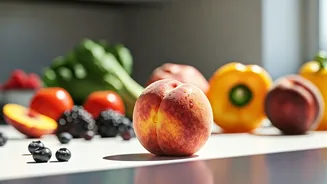
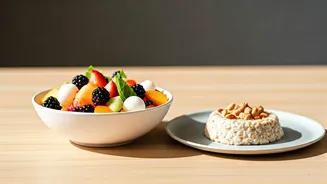
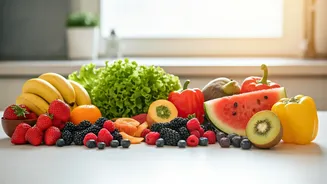
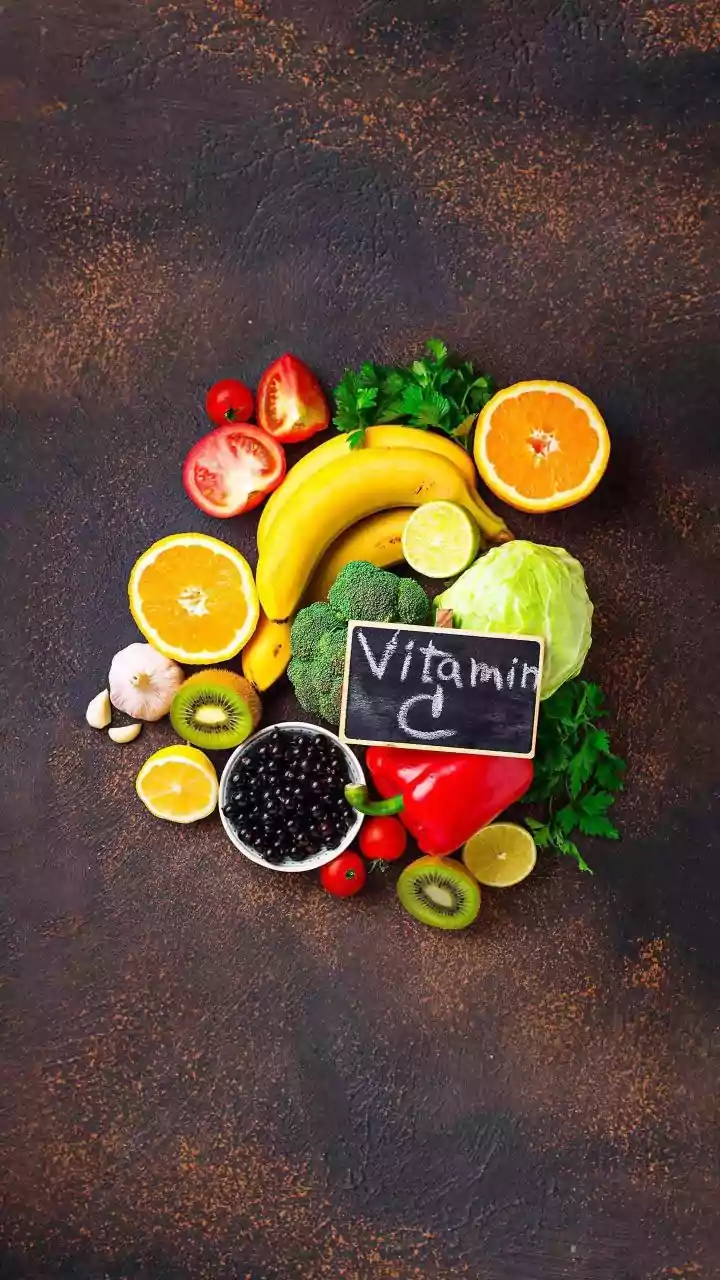
A diet mentality is centered on restriction: what you *can't* have. This summer, flip the script. Focus on what you can *add* to your plate. Summer offers an incredible bounty of delicious, nutrient-dense produce. Make it a goal to add more of it into your day. Add a handful of berries to your yogurt or oatmeal. Add a big, colorful salad to your lunch. Add grilled zucchini and asparagus to your dinner. By focusing on adding vibrant, healthy foods, you naturally crowd out less nutritious options without feeling like you’re on a restrictive diet. This approach fosters a positive relationship with food and ensures your body is getting the vitamins and fiber it needs to thrive in the heat.