

The Anti-Overtourism Advantage
Let’s start with the obvious perks: fewer people and lower prices. The same hotel in Phuket, Thailand, that costs a small fortune in December can be half the price or less in July. Flights are often cheaper, and you won’t be wrestling with hordes of tourists
for a photo at a famous temple or a spot on the sand. This isn't just about saving money; it’s about experiencing a destination in a more authentic, relaxed state. Instead of standing in line, you’re having a longer conversation with a local shop owner. You’re seeing a place as it is for most of the year, not just during the frenetic, picture-perfect peak season. This approach fundamentally changes the dynamic of your trip from a consumer-driven rush to a more immersive cultural exchange.
Nature in Hyper-Lush Mode
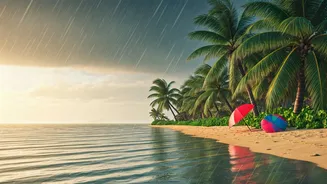
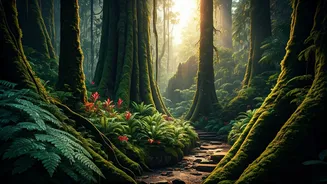
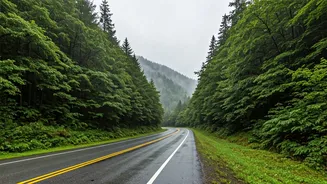
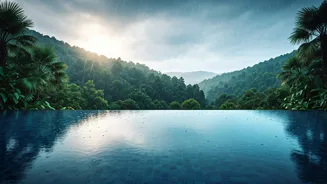
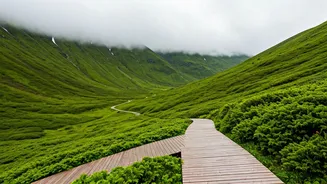
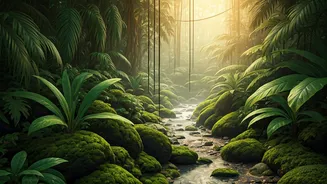
While we’re conditioned to associate vacations with cloudless blue skies, a monsoon season offers a different, arguably more dramatic, kind of beauty. This is when nature puts on its best show. Landscapes that are dry and dusty in the high season transform into a riot of vibrant greens. Waterfalls, often just a trickle in drier months, become thunderous cascades. The air feels cleaner, the colors more saturated, and the world comes alive with the sound of rain and thriving wildlife. In places like Costa Rica, the “green season” is when the rainforest is at its most spectacular and alive. For photographers and nature lovers, the dramatic, moody skies and verdant scenery offer a visual feast that a standard sunny day simply can’t match.
What 'Rainy Season' Actually Means
The term “monsoon season” can conjure images of non-stop, vacation-ruining downpours. In reality, that’s rarely the case. In many popular destinations, the rainy season consists of predictable, short-lived afternoon showers. Mornings are often bright and clear, perfect for exploring. The rain rolls in for an hour or two in the afternoon—an ideal time for a nap, a leisurely lunch, a spa treatment, or curling up with a book in a cozy café. Then, just as quickly, it clears up for a cool, pleasant evening. The key is to adapt your schedule. Plan your outdoor activities for the morning and embrace the afternoon pause. It forces a slower, more deliberate pace of travel that can be incredibly refreshing compared to the pressure of maximizing every second of sunshine.
Prime Monsoon Destinations
So where should you go? In Southeast Asia, Thailand’s “green season” (roughly May to October) is a classic. The northern regions around Chiang Mai are particularly stunning, with emerald rice paddies and misty mountains. In India, the state of Kerala has built a whole tourism identity around its monsoon (June to September), where it’s considered the best time for traditional Ayurvedic treatments, as the moist, cool air is thought to help the body absorb the therapies. Over in Central America, Costa Rica’s rainy season (May to November) is a paradise for eco-tourists wanting to see the rainforests at their most vibrant. The key is to research the specific patterns for your chosen destination. Some regions have very localized weather, meaning you can often find a drier microclimate just a short drive away.