





The Old Kingdom of Cardio
Remember the fitness wisdom of the ‘90s and 2000s? The message was simple and relentless: to lose weight and be healthy, you had to run. Miles of it. The treadmill, stationary bike, and elliptical were the undisputed rulers of the gym floor. This cardio-centric
approach was built on a straightforward equation: burn more calories than you consume. Cardio was seen as the most efficient way to torch calories during your workout hour, and so treadmills became a household staple and the default first stop for anyone starting a fitness journey. This thinking wasn't wrong, just incomplete. It prioritized calorie burn during the activity itself, overlooking what happens to your body the other 23 hours of the day. The culture also equated fitness with being thin, and long-duration cardio was the prescribed path to that specific goal. But a growing understanding of physiology, coupled with a cultural shift toward celebrating strength and capability, has begun to challenge this old regime.
The Scientific Case for Strength
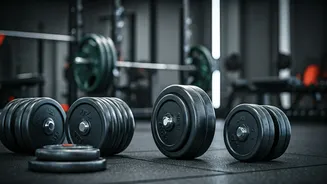
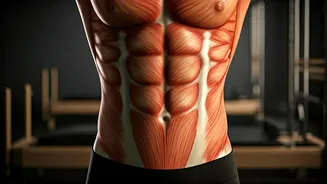
The new star of the fitness world is resistance training, and its rise is backed by compelling science. The core benefit of lifting weights isn’t about the calories you burn *during* the workout, but about the body you build *because* of it. When you lift weights, you create microscopic tears in your muscle fibers. As your body repairs and rebuilds these fibers, they grow back stronger and denser. This new muscle tissue is metabolically active. In simple terms, muscle burns more calories at rest than fat does. By increasing your muscle mass, you effectively upgrade your body’s engine, raising your basal metabolic rate (BMR). This means you burn more calories throughout the day, even while you’re sitting at your desk or sleeping. Beyond metabolism, strength training is crucial for building bone density, which helps fend off osteoporosis later in life. It improves insulin sensitivity, reducing the risk of type 2 diabetes, and builds functional strength that makes everyday tasks—carrying groceries, lifting your kids, moving furniture—easier and safer.
A Cultural Revolution
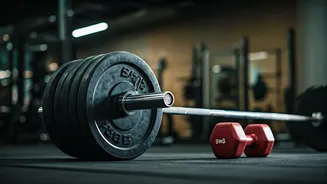
The science is only half the story. The surge in strength training’s popularity is also a cultural phenomenon. Social media platforms like Instagram and TikTok are filled with fitness influencers—many of them women—demonstrating deadlifts and squats, not just treadmill sprints. The narrative has shifted from “getting smaller” to “getting stronger.” This has destigmatized the weight room, making it a more inclusive and welcoming space for people of all genders, ages, and body types. This movement redefines what a “fit” body looks like. Instead of chasing a number on the scale, more people are chasing a number on the barbell. They’re celebrating personal records, improved mobility, and the feeling of empowerment that comes from physical strength. This focus on performance and capability, rather than aesthetics alone, has made fitness more sustainable and enjoyable for a broader audience.
Don't Ditch the Treadmill Just Yet
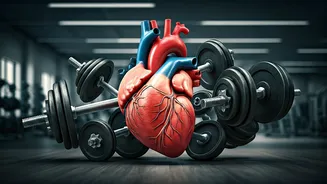
So, should you cancel your cardio and trade your running shoes for lifting straps? Not so fast. Declaring a “winner” between weights and treadmills misses the point entirely. While strength training builds the engine, cardiovascular exercise is what keeps that engine well-oiled and efficient. Running, cycling, or even brisk walking on a treadmill strengthens the most important muscle in your body: your heart. Cardio improves your circulatory system, lowers blood pressure, and increases your VO2 max—a key indicator of aerobic fitness and longevity. It’s also a powerful tool for managing stress and improving mental health, thanks to the endorphins it releases. A workout routine devoid of cardio is as incomplete as one devoid of strength work. The two are not rivals; they are partners that address different, but equally vital, aspects of your health.