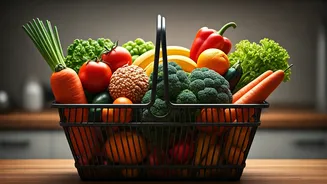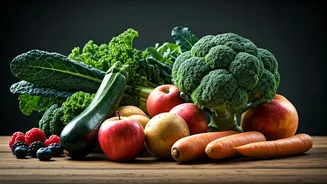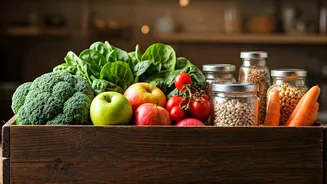






The Perfect Storm: Why Now?
The rise of budget nutrition isn't happening in a vacuum. It’s the direct result of two powerful forces colliding: persistent food inflation and a post-pandemic obsession with wellness. For years, the U.S. consumer has been squeezed by grocery bills that
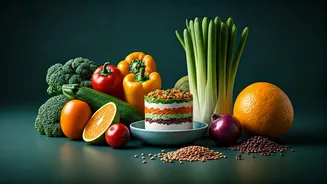
seem to climb higher with each trip. According to USDA data, food prices have consistently outpaced overall inflation, putting a significant strain on household budgets. But at the same time, our collective interest in health—from understanding gut health to prioritizing whole foods—has never been stronger. People don't want to sacrifice their well-being just because costs are up. The result is a pivot from simply finding cheap calories to mastering the art of affordable *nutrition*. This isn’t about ramen and hot dogs; it's about making lentils, seasonal vegetables, and whole grains the heroes of the modern American plate.
From Scarcity to Savvy
Something fascinating is happening on social media. What was once a private struggle—making ends meet—is now a public display of skill. On platforms like TikTok and Instagram, creators are gaining millions of views by showcasing their budget grocery hauls, their meticulously planned meals, and their strategies for making a dollar stretch without sacrificing health. This new wave of influencers has turned frugality into a status symbol. It’s no longer about what you lack; it’s about how clever you are with what you have. Being a savvy budget nutritionist is a flex. It says you are resourceful, organized, and in control of your health and finances in a chaotic world. It has an aesthetic—clean pantries, colorful meal preps, and zero-waste hacks—that makes a thrifty lifestyle feel aspirational, not desperate.
Embrace Plant-Based Proteins
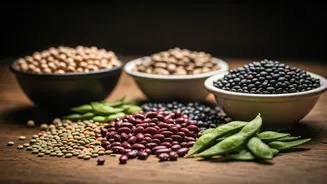
The single biggest lever you can pull to lower your grocery bill while boosting nutrition is to lean into plant proteins. Meat is often the most expensive item in a shopping cart. A one-pound bag of dried lentils or chickpeas can cost less than a single chicken breast and provide the foundation for numerous meals. These nutritional powerhouses are packed with fiber, protein, and essential nutrients. Think beyond sad salads. Lentils can become hearty soups, flavorful curries, or a savory base for a shepherd's pie. Chickpeas can be roasted for a crunchy snack, blended into hummus, or added to stews. Tofu and edamame are other affordable, versatile options. Start by instituting a “Meatless Monday” and gradually explore replacing meat in one or two other meals per week.
Master the 'Boring' Aisle
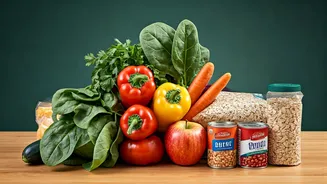
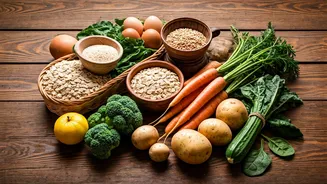
The center aisles of the grocery store—often dismissed as being full of processed foods—are also home to some of the most affordable and nutritious staples available. We're talking about the 'boring' stuff: rolled oats, brown rice, quinoa, whole-wheat pasta, and dried beans. These items are shelf-stable, budget-friendly when bought in bulk, and form the backbone of a healthy, filling meal. A large canister of oats provides dozens of breakfasts for the price of a few fancy coffees. A pot of rice can be a side dish one night, the base for a grain bowl the next day, and the key ingredient in fried rice the day after that. Learning to love these simple, whole-food carbohydrates is fundamental to budget nutrition.
Shop the Sales, But with a Plan
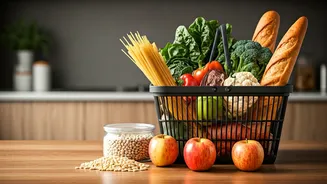
The weekly grocery circular isn't junk mail; it's your playbook. But the key to using it effectively is to plan your meals *after* you see what’s on sale, not before. If broccoli and chicken thighs are discounted this week, that’s your starting point. This “reverse meal planning” prevents you from buying sale items that you have no plan for, which often leads to food waste. Before you head to the store, check your pantry and freezer. Build your shopping list around the sale items and the ingredients you already have on hand. This disciplined approach not only saves money but also forces creativity in the kitchen and significantly cuts down on the amount of food—and cash—that ends up in the trash.
Cook Once, Eat Twice (or Thrice)
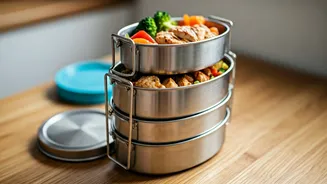
One of the cornerstones of budget nutrition is maximizing your effort. Instead of cooking from scratch every night, think in terms of components and leftovers. When you roast a whole chicken on Sunday, that’s not just one meal. The leftover meat can be shredded for tacos on Monday or turned into chicken salad for sandwiches on Tuesday. The carcass can be simmered with vegetable scraps to make a rich, free broth for soup later in the week. The same logic applies to grains and vegetables. If you’re cooking quinoa, make a large batch. If you’re chopping onions and peppers, chop extra for another recipe. This practice, often called “component prepping,” saves time, energy, and ensures you always have a healthy building block ready for your next meal.