



A View from the Top
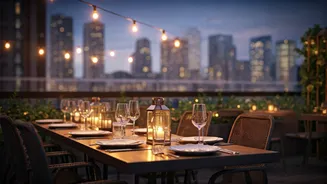
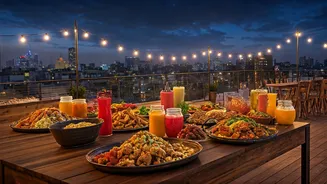
Forget the chaotic, shoulder-to-shoulder crush of a traditional bazaar. The new pulse of Delhi’s casual dining scene is found several stories up. In neighborhoods like the Tibetan enclave of Majnu-ka-tilla or the student-packed lanes of Satya Niketan,
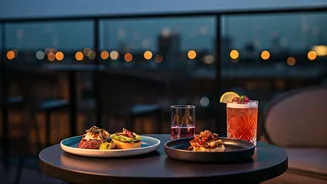
terraces and rooftops have been transformed into bustling, open-air food courts. The view is a tapestry of urban India: a tangle of satellite dishes, water tanks, and the distant glow of city lights against a hazy, star-dusted sky. The soundtrack isn’t the incessant honking of auto-rickshaws, but a mix of Bollywood hits, indie pop, and the contented murmur of friends sharing plates of food. It’s a curated, more comfortable version of the street-level energy that has defined Delhi for centuries.
From Street Stall to Skyline
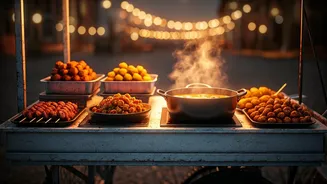
The “again” in the revival of Delhi’s snackable nights is key. The city’s legendary street food culture, a universe of fried breads, savory chaat, and spicy kebabs, has faced immense pressure. Concerns over hygiene, traffic congestion, and the general push for modernization have often put vendors at odds with authorities. The pandemic further disrupted these intricate food networks. The rooftop market trend is a brilliant adaptation. It takes the spirit of street food—communal, affordable, and delicious—and moves it to a more controlled, and arguably more pleasant, environment. Entrepreneurs are turning previously unused roof space into profitable ventures that offer a solution for vendors and a novel experience for diners looking for a safe and scenic place to gather.
A Menu of the Metropolis
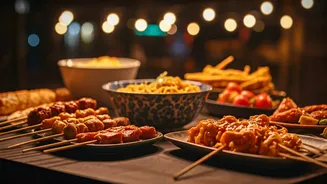
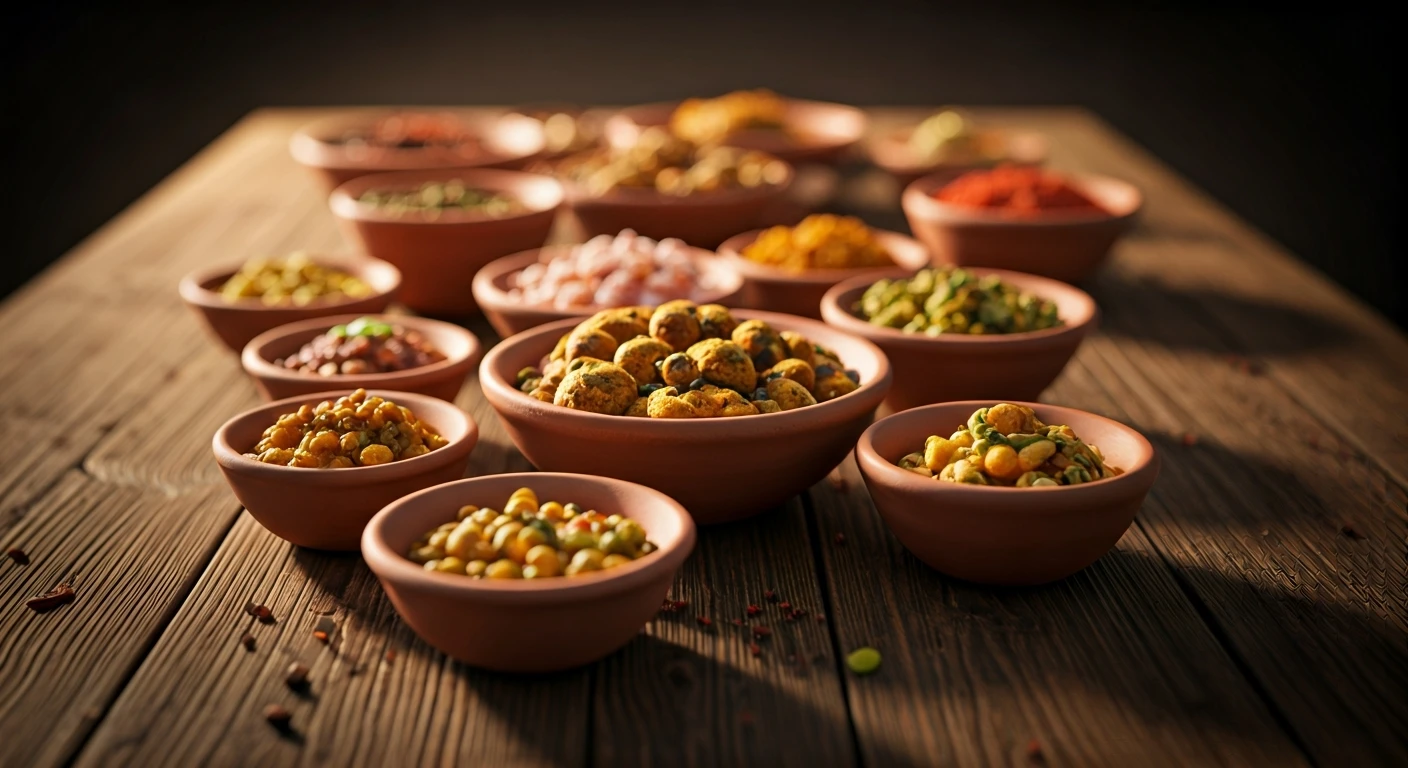
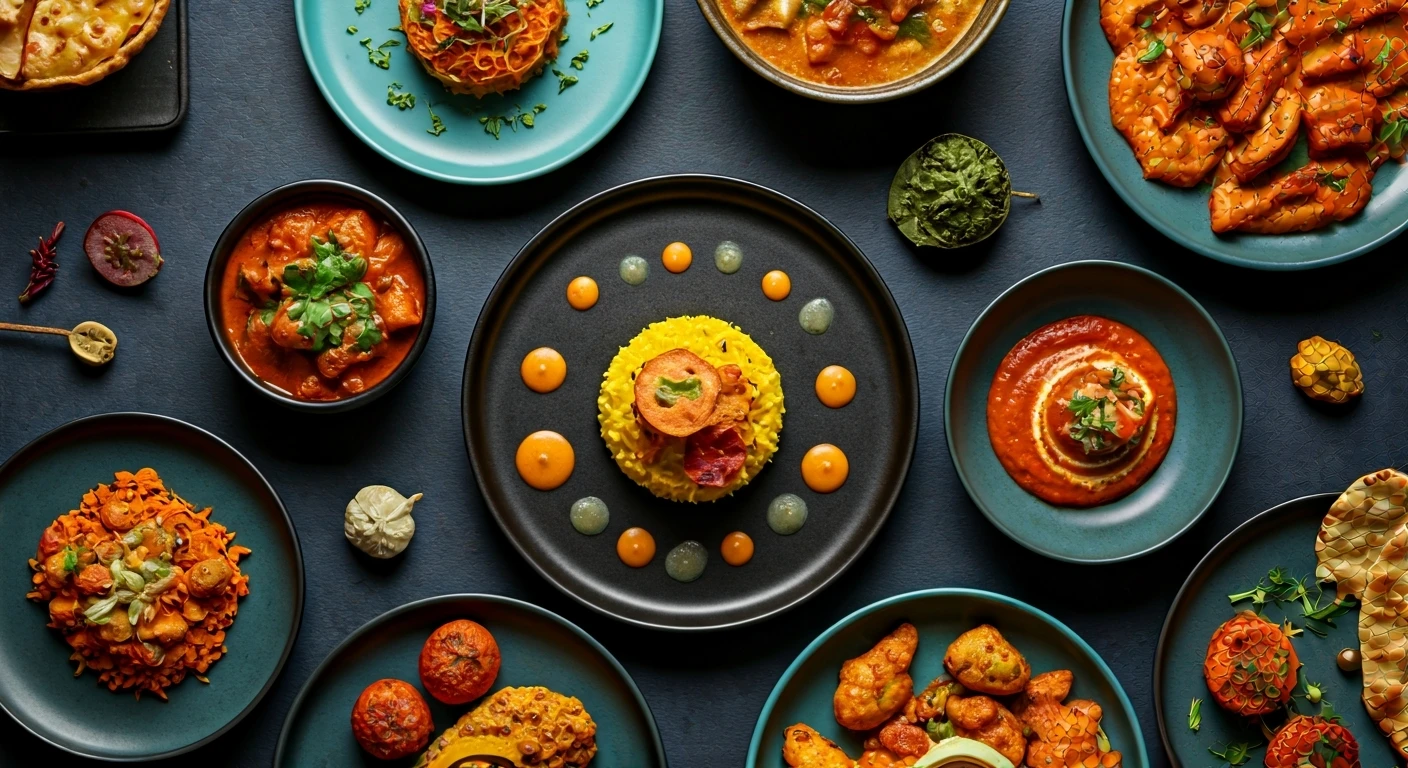
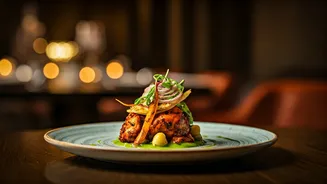
While you can still find classics, the menus on these rooftops reflect the city's cosmopolitan palate. In Majnu-ka-tilla, the air is fragrant with the steam from Tibetan momos (dumplings) and bowls of spicy thukpa (noodle soup). You’ll find vendors serving laphing, a cold mung bean noodle dish with a fiery chili paste that has become a cult favorite among Delhi’s foodies. Elsewhere, menus might feature Korean-style fried chicken, loaded fries, or inventive fusion tacos alongside traditional Indian snacks like golgappas and bhel puri. It’s a culinary democracy where a group of friends can satisfy radically different cravings in one spot. The focus is on small plates and shareable items, encouraging a grazing style of eating that keeps the conversation flowing and the night young.
More Than Just a Meal
Ultimately, the success of these rooftop markets isn’t just about the food. It’s about reclaiming public space for social connection. For young Delhiites, from college students to young professionals, these venues offer a perfect middle ground. They are more casual and affordable than a formal restaurant but offer more comfort and safety than a roadside stall. Here, under the open sky, groups linger for hours. They are spaces for first dates, post-exam celebrations, and casual weeknight hangouts. In a megacity that can often feel overwhelming and anonymous, these rooftop oases provide a much-needed sense of community, proving that even in a city of 20 million, there’s always room to look up and find a place to belong.