





From Farm-to-Table to Roof-to-Table
For years, the gold standard for conscientious dining has been "farm-to-table," a movement championing local sourcing and seasonal ingredients. But what happens when the farm is literally on top of the restaurant? This is the reality of hyper-local urban
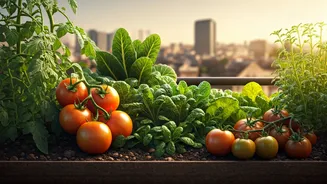
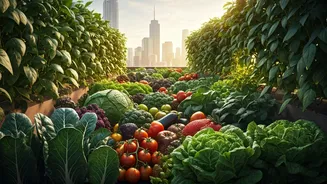
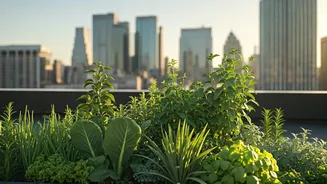
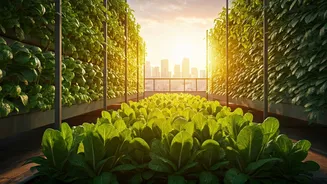
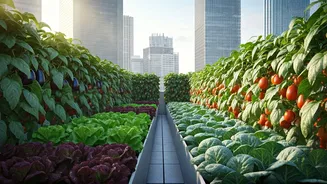
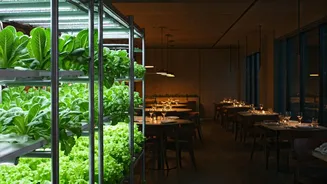
agriculture, a trend where commercial farms operate on the rooftops of skyscrapers and warehouses, harvesting produce that often ends up on a plate within hours. It represents the ultimate evolution of local eating. Forget food miles; this is food feet. Chefs can collaborate directly with growers, requesting specific heirloom tomatoes or specialty microgreens that are then cultivated just an elevator ride away. This proximity doesn't just guarantee unparalleled freshness; it creates a narrative that diners can taste, connecting their meal directly to the urban landscape around them.
The Pioneers of High-Rise Farming
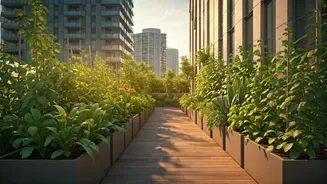
This isn't a sci-fi fantasy. It's a thriving business model in cities like New York, Chicago, and San Francisco. In NYC, Brooklyn Grange operates some of the world's largest rooftop soil farms, cultivating over 100,000 pounds of organic produce a year. Their salad greens, herbs, and tomatoes supply a roster of acclaimed local restaurants that prize the quality and story. Similarly, in Chicago, The Roof Crop transforms unused roof space into productive vegetable patches, providing bespoke produce for chefs who want ingredients no one else has. These farms often use lightweight soil mixes and sophisticated irrigation systems to manage the unique structural and environmental challenges of growing in the sky. They are living laboratories for the future of urban food systems, proving that agriculture can coexist with dense city life.
More Than Just a Fresh Salad
The benefits of rooftop farming extend far beyond the plate. These green spaces serve as vital infrastructure for the cities themselves. They help mitigate the urban "heat island effect," where concrete and asphalt absorb and radiate heat, by providing a cooling, living canopy. The soil and plants also absorb massive amounts of stormwater runoff, easing the burden on aging sewer systems during heavy rains. Furthermore, these farms create green jobs, offer educational opportunities for the community, and provide a habitat for pollinators like bees and butterflies, which are crucial for a healthy ecosystem. By turning barren rooftops into productive oases, these farms are making cities more resilient, sustainable, and frankly, more beautiful places to live.
The Reality Behind the Romance
While the idea is romantic, the execution is anything but simple. Rooftop farming is a capital-intensive and logistically complex endeavor. Getting permits, ensuring the building's structure can support tons of wet soil, and installing irrigation and equipment are significant hurdles. Labor is another factor; farming in the city is expensive, and everything from soil to harvested crops often has to be moved via freight elevators. As a result, the produce is a premium product, typically accessible only to high-end cafes and restaurants that can afford the price and build it into their menus. This isn't a model that can feed an entire city affordably. Instead, it serves as a powerful proof of concept, inspiring innovation and reminding us of the immense, untapped potential of our urban spaces.