


The Comfort Food We Knew
Let’s be honest about the pizza of our youth. It was round (or square), dependably cheesy, and delivered in 30 minutes or less. It was the hero of sleepovers, the savior of 'can’t-cook-tonight' evenings, and the default fuel for Super Bowl parties. Brands
like Domino's, Pizza Hut, and Papa John's built empires on a simple promise: convenience, consistency, and a whole lot of mozzarella. This was pizza as a utility—a satisfying, if not exactly sophisticated, solution to hunger. The crust was a mere vehicle for toppings, the sauce a sweet, generic red, and the cheese a thick, uniform blanket. It was good because it was easy, familiar, and always there. It was the comfortable hoodie of the food world: maybe not stylish, but deeply reliable.
Enter the Artisanal Intervention
The 'glow-up' didn't happen overnight. It was a slow-fermenting revolution that bubbled up in bakeries and backyard ovens. The artisanal pizza movement rejected the industrial model and re-centered the entire conversation around one thing: craft. Suddenly, pizza wasn't just a topping delivery system; it was a canvas for culinary expression. An artisanal pizza is defined not by a specific set of toppings, but by its intention. It’s about process. It's about respecting the ingredients, from the heritage grain in the flour to the hand-crushed San Marzano tomatoes. It’s the difference between a mass-produced print and an original painting. Both depict a subject, but one is imbued with the touch, technique, and soul of its creator. This new wave treated pizza with the seriousness once reserved for fine dining, applying principles of baking, sourcing, and flavor balancing to a food we all thought we knew.
The Soul Is in the Dough
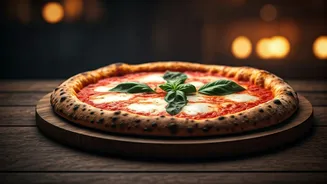
If you want to understand the artisanal glow-up, look no further than the crust. This is where the transformation is most profound. The old guard used refrigerated or frozen dough designed for speed and shelf life. The new school treats dough as a living thing. We’re talking about long, slow fermentation—often over 24 or even 72 hours. This process develops complex, tangy flavors that processed doughs can't dream of. Many of today's best pizzas are built on sourdough starters, wild yeasts that give the crust a distinctive, slightly sour tang and an airy, open crumb. The dough is often high-hydration, meaning it contains a lot of water, which creates a light, puffy, and beautifully blistered crust when it hits a screaming-hot oven—often a wood-fired dome or a specialized deck oven reaching 900°F. The result is a foundation that’s crisp yet chewy, with leopard-spotted char marks that add a whisper of smoky bitterness. It’s a crust you actually want to eat by itself.
Toppings Get a Promotion
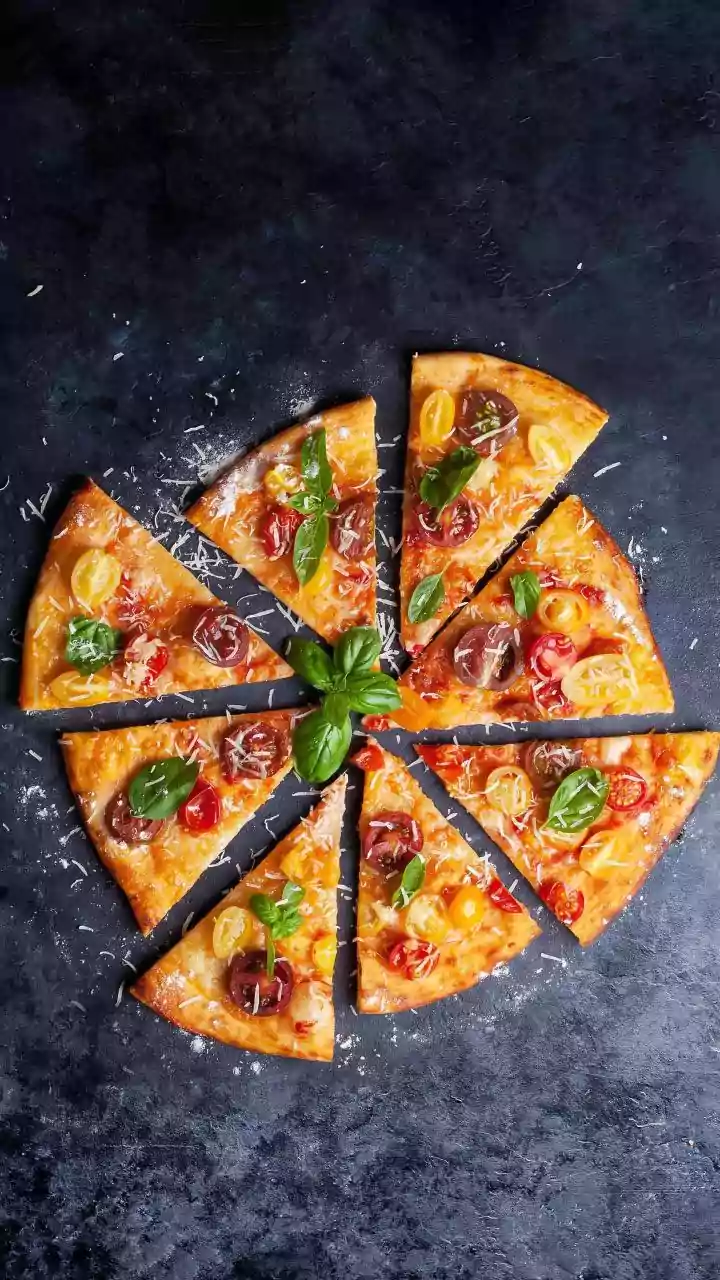
With a crust that good, you can't just throw on any old toppings. The ethos of quality extends across the entire pizza. The thick layer of low-moisture, shredded mozzarella has been replaced by dollops of fresh fior di latte or creamy buffalo mozzarella, which melt into delicate pools instead of a greasy sheet. The sweet, generic tomato sauce is swapped for the bright, clean acidity of uncooked San Marzano tomatoes, crushed by hand. The toppings themselves have become more thoughtful and curated. Instead of a pile of everything, you find balanced combinations. Think spicy soppressata with a drizzle of hot honey, or a 'white pie' with roasted garlic, ricotta, and a squeeze of fresh lemon. Seasonality has become a major driver, with pizzerias featuring whatever’s best at the local farmers market, from chanterelle mushrooms in the fall to asparagus and ramps in the spring. It's a shift from 'more is more' to 'better is better.'
A Slice of Something More
This isn't just about a better-tasting pizza. The artisanal glow-up reflects a broader cultural desire for authenticity and experience. We want to know where our food comes from. We want to support small businesses and craftspeople. Eating an artisanal pizza is rarely a solitary, utilitarian act; it’s an event. You go to the pizzeria, you share a pie fresh from the oven, you see the pizzaiolo at work. Even high-end home pizza ovens from brands like Ooni and Gozney have brought this experience to the backyard, turning a weeknight meal into a hands-on hobby. The artisanal pizza has elevated our expectations. It proves that a humble comfort food can also be a work of art, a product of passion, and an expression of place. It didn't kill the comforting reliability of a delivery pie; it just showed us how much more pizza could be.